
Last updated November 25, 2026
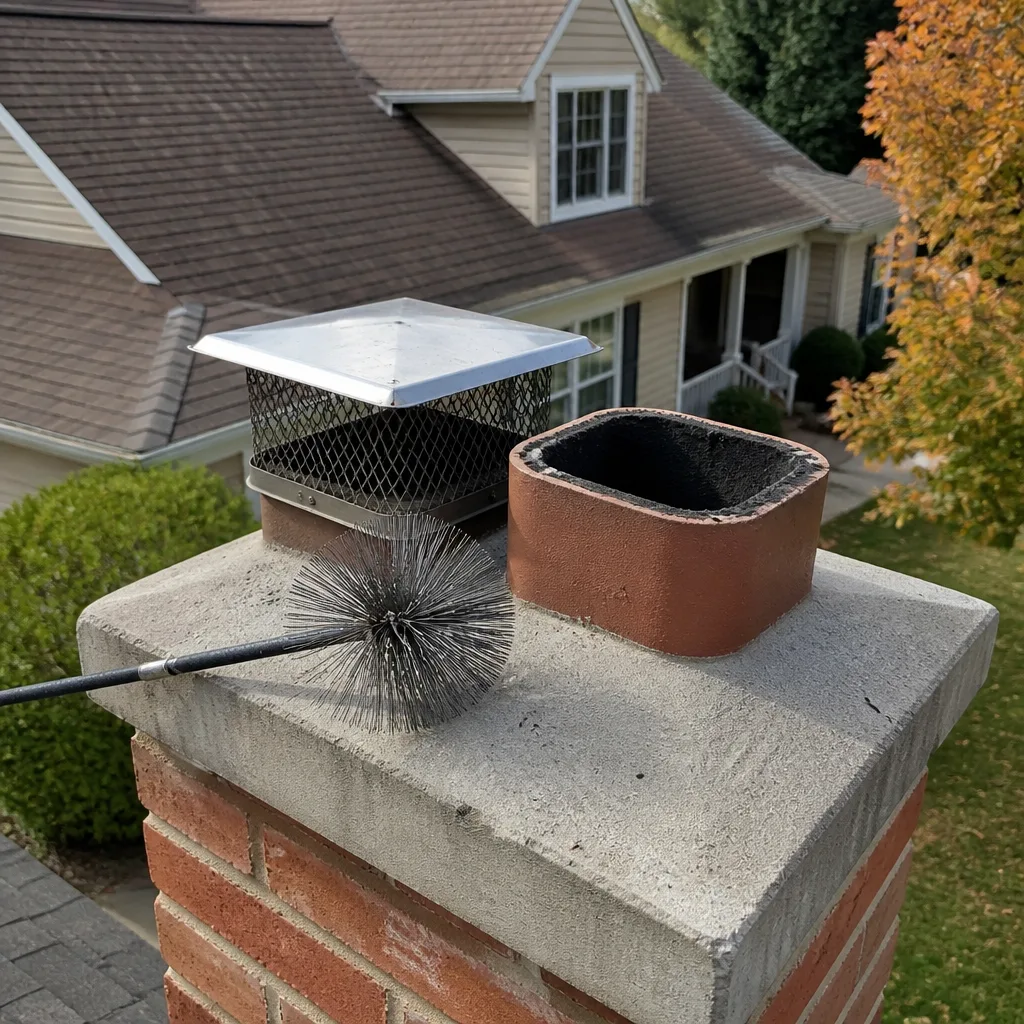 Sweep & inspection
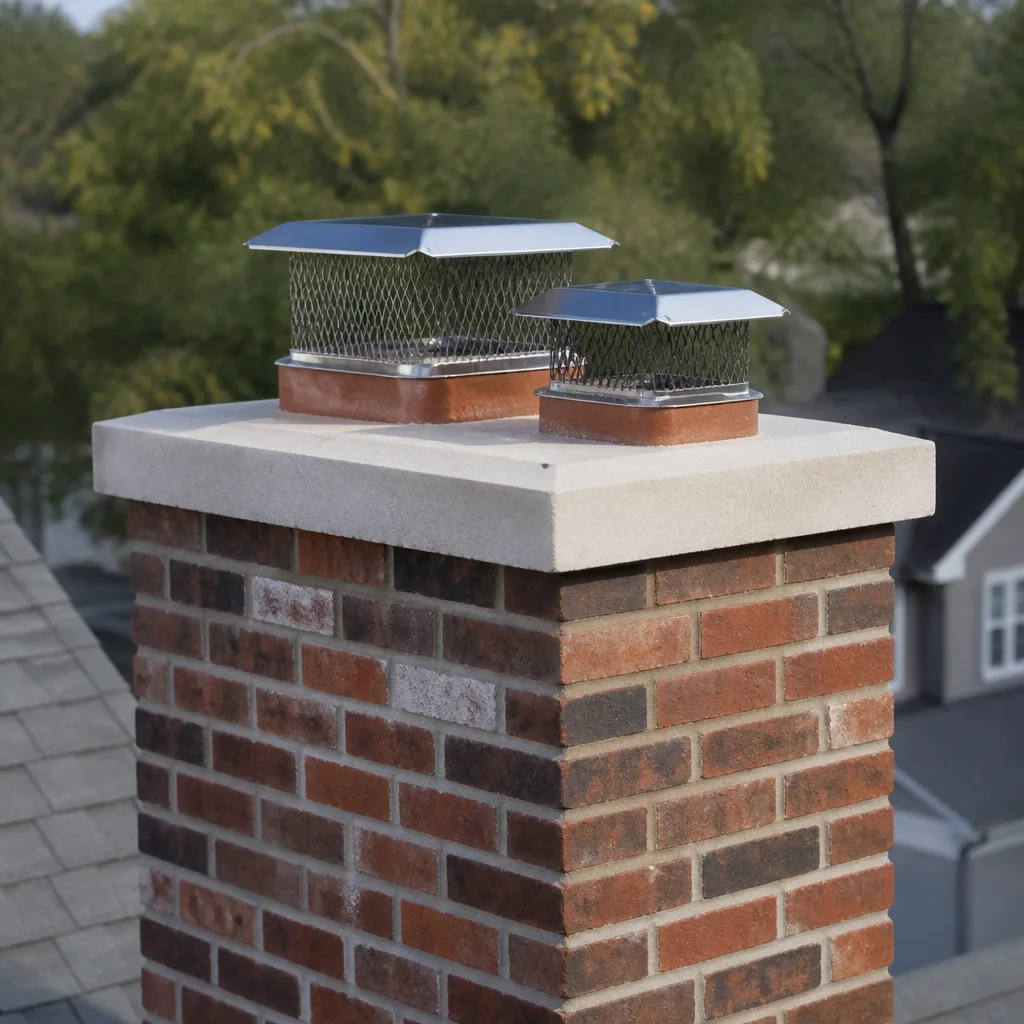 Caps & crowns
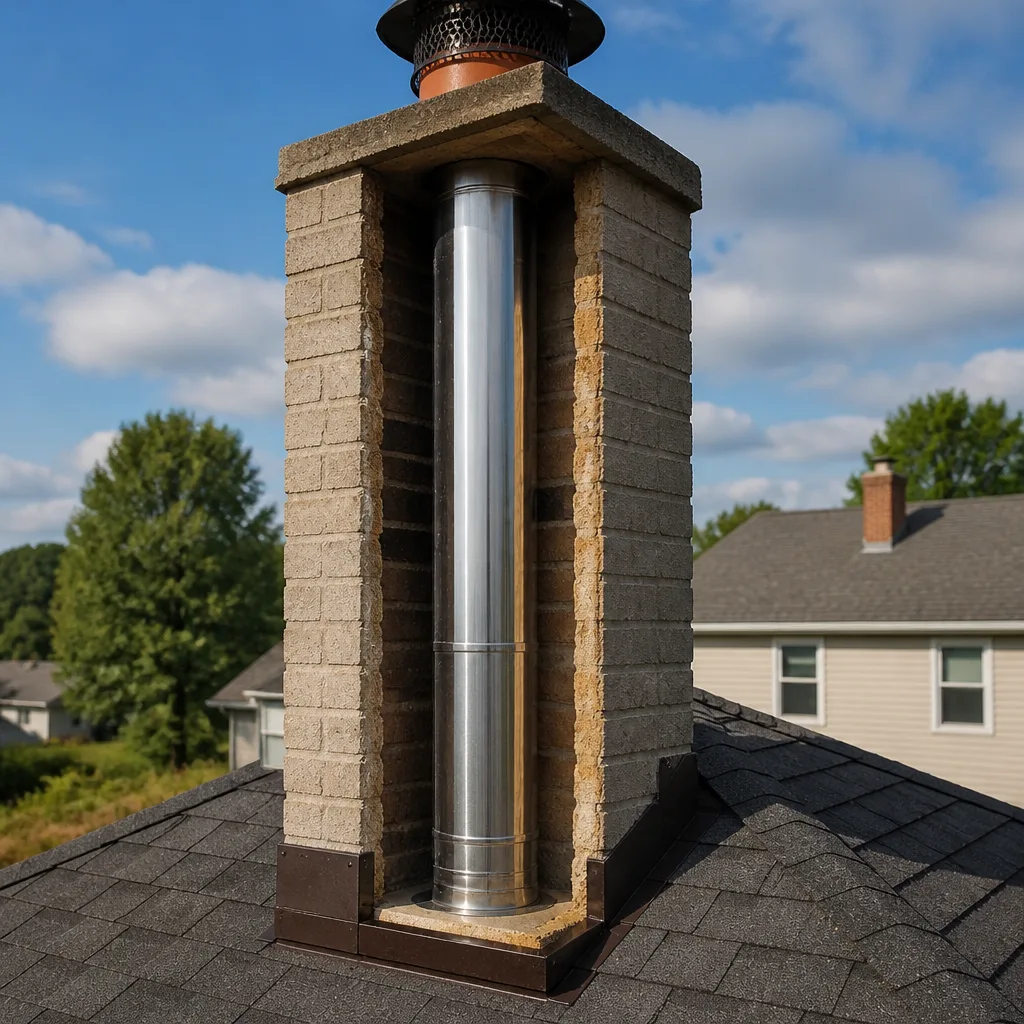 Flue relining
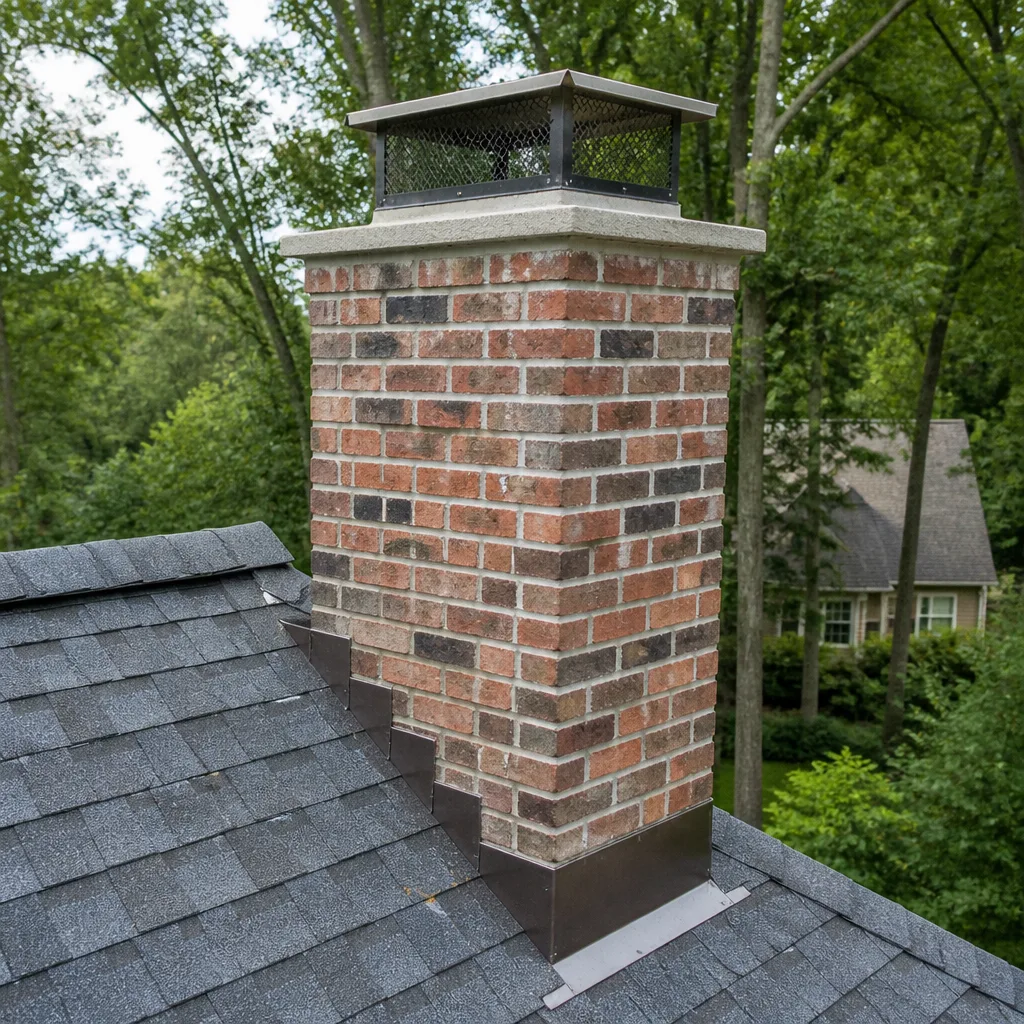 Masonry repair
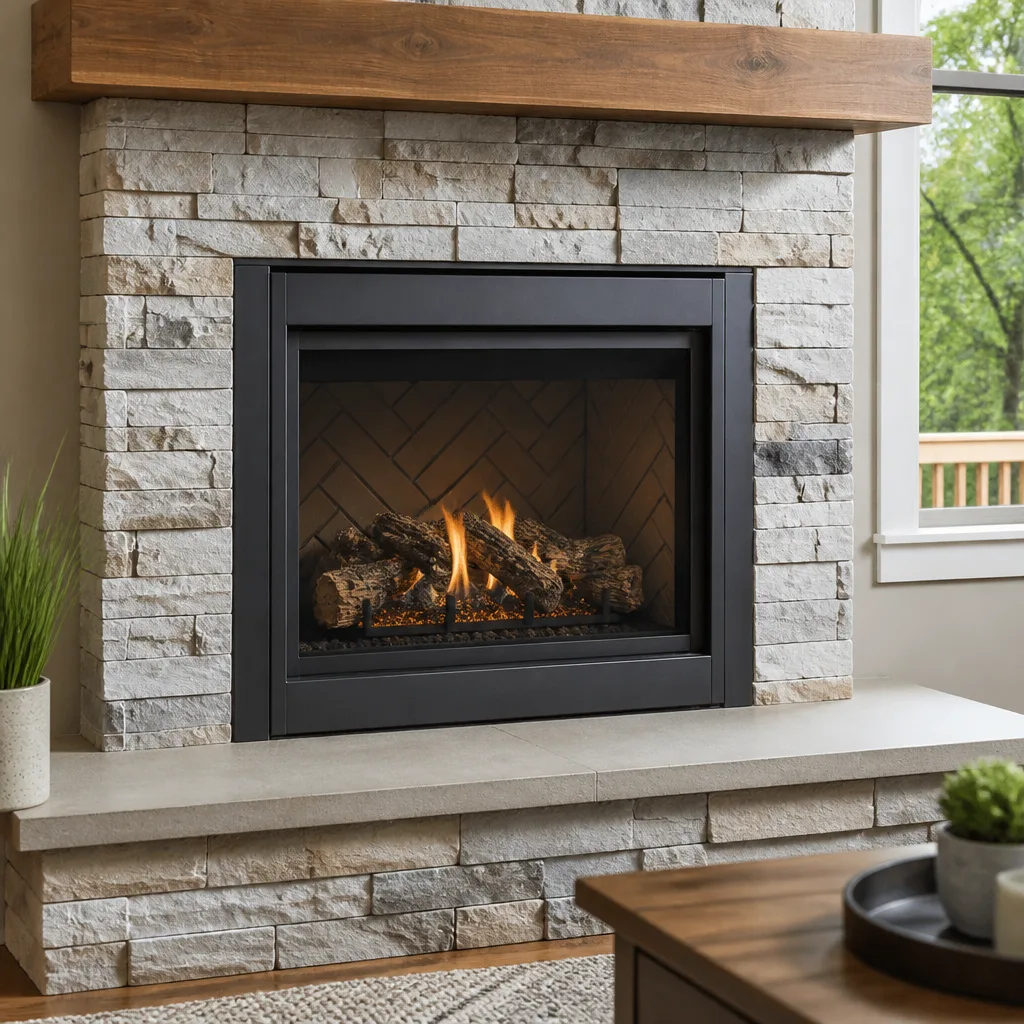 Gas fireplace service
Level 1 sweep and inspection to the NFPA 211 annual standard - flue, crown, cap, and flashing checked and photographed
Chimney sweep logs do not sweep chimneys. They loosen some creosote - which then falls where a brush and vacuum still have to collect it.
How to Hire a Chimney Cleaning Contractor in Laguna Hills: A Step-by-Step Guide
Most homeowners assume the hard part of chimney care is finding someone with a brush and a ladder. The real problem is the opposite: there are too many people willing to take the job, and almost none of them are required to prove they know what they’re doing. California does not license chimney sweeps as a distinct trade, so the title “chimney sweep” is essentially open to anyone who prints it on a van. That means the vetting falls on you. This guide walks through the credentials that actually mean something, the questions that separate a specialist from a generalist, and how to compare quotes line by line. It’s written for Laguna Hills homeowners who’d rather understand their chimney than trust a stranger’s word.
Quick Answer
Hiring a chimney cleaning contractor in Laguna Hills means verifying trade credentials (CSIA, NFI, or NCSG) yourself, asking flue-specific questions during the quote call, insisting on a written inspection report with photos, and comparing quotes by what each one actually includes rather than by the bottom-line number. The cheapest bid often isn’t a cheaper sweep – it’s a door-opener for upselling during the visit. A specialist who shows you what they find, before recommending anything, is the one worth hiring.
Styles & brands we work with
- Sweep & inspection
- Caps & crowns
- Flue relining
- Masonry repair
- Gas fireplace service
Table of Contents
- Why Hiring a Chimney Contractor in Laguna Hills Is Harder Than It Looks
- What CSIA, NFI, and NCSG Credentials Actually Certify
- How to Verify a Chimney Sweep in 60 Seconds
- The Five Questions That Reveal Real Flue Knowledge
- Red Flags in Chimney Cleaning Ads
- How to Compare Chimney Quotes Accurately
- Why the Cheapest Bid Often Costs More
- What Makes a Laguna Hills Chimney Different
Why Hiring a Chimney Contractor in Laguna Hills Is Harder Than It Looks
The chimney trade has no single gatekeeper in California. A licensed general contractor can add chimney cleaning to a service list. So can a pressure-washing company expanding its offerings, or a handyman with a drop cloth and a vacuum. None of that is illegal, and some of those people do honest work. But the title tells you nothing about whether the person on your roof understands flue anatomy or can spot a hairline crack in a clay tile before it becomes a liner problem.
Laguna Hills adds a layer to this. Many homes here were built decades ago with masonry fireplaces that have since been converted to gas logs, or have original clay tile liners that have quietly deteriorated. Older construction means more variables – offsets in the flue, oversized fireboxes, crowns that have settled – and variables reward someone who inspects rather than someone who sweeps and leaves.
What you’re really screening for is specialization. A dedicated chimney company does this work and only this work. When we arrive, the job is to sweep, inspect the full system, and document what we find with photos you keep. Generalists tend to do the sweep and move on, because the inspection is where the trade knowledge lives and where they may not have it.
It also helps to understand what you’re hiring for. A sweep removes creosote and soot. An inspection evaluates the flue, damper, firebox, crown, cap, and connections. Those are different jobs that happen to overlap in one visit, and the best contractors treat the report as the product just as much as the cleaning. If you want to see what we mean by a full-system approach, the Chimney Sweep Laguna Hills page covers the scope in detail.
What CSIA, NFI, and NCSG Credentials Actually Certify
Three organizations matter in this trade, and they certify different things. Knowing what each one tests for helps you read a contractor’s credentials instead of just nodding at the acronyms.
CSIA – Chimney Safety Institute of America
The CSIA certifies individual chimney sweeps, not companies. Its exam covers the mechanics of venting, combustion, the visible condition of chimney and venting systems, and the standards for inspecting and sweeping. A CSIA-certified sweep has sat a test on how a chimney actually works, not just how to clean one. The certification is held by a person, which is why you should ask which technician will be on site and whether that person is certified.
NFI – National Fireplace Institute
NFI focuses on hearth appliances – wood stoves, gas fireplaces, inserts, and the venting that goes with each. Its certifications are specialty-specific, so a sweep might hold one for gas and not for wood, or vice versa. If your fireplace has been converted or you’re running a modern insert, an NFI credential is worth looking for. It signals training in how the appliance interacts with the flue, not just the flue by itself.
NCSG – National Chimney Sweep Guild
The NCSG is a membership association rather than a certifying body. Members agree to a code of ethics and commit to ongoing education, and the guild is a useful signal that a company takes the trade seriously. It’s not the same as a test, so treat it as a supporting credential, not a substitute for CSIA or NFI certification.
Our technicians have up to 15 years of experience, and that on-the-job time is where brand familiarity gets built – with products like HeatShield, Olympia Chimney, Gelco, and Famco, the components we work with when a sweep turns into a repair. Certifications tell you someone passed a test. Experience with the actual materials in your chimney tells you what they’ll do when the test doesn’t cover it.
How to Verify a Chimney Sweep in 60 Seconds
You can check a contractor’s credentials before the first phone call, and it takes less time than brewing coffee. Here’s the sequence.
- Go to the CSIA website and search the certified professional directory. Search by name or by company. If the contractor claims CSIA certification and no match appears, ask directly which technician holds it and for the certificate number. A real certification has a number you can look up.
- Check the NFI site for specialty certifications. If your fireplace is gas or your wood stove is the appliance in question, confirm the technician is certified for that fuel type specifically. NFI lists certified professionals by specialty.
- Confirm NCSG membership through the guild’s directory. Membership is public. If the contractor lists it, the guild’s member list will confirm it.
- Ask for a certificate of insurance before the visit. General liability is the relevant policy. Request it in writing, not verbally. A contractor who can’t produce a certificate quickly is telling you something.
- Look up any contractor license that applies. If the company offers repairs, ask for its contractor license number and check it on the California State License Board site. Sweeping alone may not require a license, but structural repair work does.
Verification is the step most homeowners skip, and it’s the step that matters most in a state where the trade title is unregulated. Do this before you book, not after the technician is standing in your living room.
The Five Questions That Reveal Real Flue Knowledge
A quote call tells you more than a website. The way a contractor answers technical questions shows whether they understand what they’re cleaning or are just quoting a flat price for a brush pass. Ask these five.
1. “What type of flue liner does my chimney have, and how will you check it?”
A specialist will name the possibilities – clay tile, stainless steel, cast-in-place – and explain that the liner is assessed during the inspection with a camera or by visual check depending on access. A generalist will say “we’ll clean it and see.”
2. “Do you provide a written inspection report with photos?”
This is the single most revealing question. A contractor who inspects fully will describe the report without prompting: what’s included, whether photos are sent, how recommendations are tied to specific findings. Someone who doesn’t inspect will say “you’ll get a receipt” or deflect.
3. “What level of inspection do you perform, and why?”
The trade recognizes three inspection levels: a basic annual check, a more detailed inspection for a system that has changed or after a chimney fire, and a full inspection for a system being put back into service or a property being sold. A knowledgeable contractor will explain which level fits your situation and why, not just say “the standard one.”
4. “How do you handle creosote, and what’s the difference between the types?”
Creosote forms in stages. The early stage is soot and flaky residue that sweeps off easily. The glazed, hardened stage bonds to the liner and requires a different approach – sometimes chemical treatment or mechanical rotary methods. A specialist knows the difference and will tell you what they find before recommending anything.
5. “What happens if you find a problem?”
The right answer involves showing you evidence and explaining options. The wrong answer jumps straight to “you’ll need a new liner” before anyone has looked. If the contractor’s first instinct is to quote repair work over the phone before an inspection, that tells you the quote isn’t based on anything.
These questions also open the door to a broader conversation about services. If you’re also wondering about your firebox or damper, a good fireplace repair conversation starts the same way – inspection first, recommendation second.
Red Flags in Chimney Cleaning Ads
The language in a chimney ad tells you how the company makes its money. Watch for these.
- “Whole-house discount package” or “clean every flue for one price.” A house with multiple flues is a house with multiple systems, each with its own condition. Bundling them into one discount price encourages a quick pass and skips the assessment that matters. It’s a volume play, not a service play.
- No mention of a written report. If the ad describes sweeping but not inspection, the company isn’t planning to document anything. You’ll get a verbal “looks fine” and no evidence to verify it.
- Vague liability insurance language. “Fully insured” without a certificate means nothing. Ask for the certificate of insurance in writing. A legitimate contractor has it ready.
- Prices advertised with no scope described. A dollar figure with no mention of what’s included – sweep only, sweep plus inspection, camera inspection, report – is a number designed to win the call, not describe the job.
- Upsell pressure built into the pitch. If the ad promises a low sweep and mentions “repairs available,” you’re looking at a business model where the sweep is the entry point. That doesn’t make the repair unnecessary, but it does mean you should ask for photo evidence of every recommendation.
- No credentials listed anywhere. CSIA, NFI, NCSG – if none of them appear on the ad or website, and none come up when you ask, you’re hiring an unknown.
None of these flags is automatically disqualifying on its own. A pattern of them is. When a fast phone quote and a discount package show up together, the incentive structure is clear: get in the door cheap, find something to fix.
How to Compare Chimney Quotes Accurately
Comparing chimney quotes is like comparing car repairs: two prices can look similar and cover completely different work. The only fair comparison is line by line.
What each line item should include
- Sweep: which flue (or flues), what tools are used, and whether the firebox and smoke chamber are cleaned or just the flue itself.
- Inspection: which level, whether a camera is used, and whether the report includes photos. If a quote doesn’t include inspection, ask what the sweep alone tells you – the honest answer is less than a full inspection does.
- Report: written, with photos, delivered to you. This should be a line item or explicitly bundled, never assumed.
- Recommended repairs (if any): itemized with the finding that triggered them, not lumped into a total.
The bundled-versus-separate question
Some contractors charge for the inspection separately. Others bundle sweep and inspection into one flat price. Neither is inherently better, but the comparison changes. A $150 sweep plus a free inspection isn’t the same offer as a $150 sweep with a $75 inspection, even if the numbers land the same at checkout. Ask each contractor to break out what the sweep covers, what the inspection covers, and whether the report is included. Write it down for each bid and compare side by side.
When a quote includes repair recommendations – say, a crown that’s cracked or a cap that’s missing – you should be able to see why. A recommendation for chimney repair should point to a specific finding in the report. If it doesn’t, it’s a guess.
| Line item | What it should cover |
|---|---|
| Sweep | Named flue(s), firebox and smoke chamber included, tools described |
| Inspection | Level stated, camera used, findings documented |
| Report | Written, with photos, delivered to the homeowner |
| Repairs | Itemized, tied to a specific finding, priced as an estimate |
Why the Cheapest Bid Often Costs More
A chimney sweep quote that comes in well below the rest usually means one of two things: the scope is thinner than it looks, or the sweep is priced as a lead-generation tool for the real sale, which happens in your living room.
In the second case, the low sweep gets the technician inside. Then the assessment begins – and because the technician is working from a financial target, the findings tend to be alarming. The recommendation for a full reline arrives before you’ve seen a photo of the problem. That’s the pattern many homeowners describe after hiring on price alone, and it’s why we put the evidence first: camera inspection, photos in the report, and a written explanation of what can safely wait.
There’s also the materials question. When a repair does get recommended, what gets installed matters. Professional chimney trade brands – DuraFlex for flexible liner systems, HeatShield for flue resurfacing, Gelco and Famco for caps and crowns, Olympia Chimney for liner components – are engineered for the job. A generalist substituting a hardware-store cap or a generic fitting may be doing it to hit a price, and that shows up in performance years later. A chimney cap from a brand like Gelco is built for draft and weather exclusion; a universal cover is built to be cheap.
The cheapest bid isn’t always wrong. It’s just the one that most needs the rest of this guide applied to it.
What Makes a Laguna Hills Chimney Different
Laguna Hills is mild enough that fireplaces often go months without use. That gap matters. Creosote and soot don’t disappear when the fireplace sits idle, and the slow accumulation from a handful of winter burns a year can build up over multiple seasons without anyone noticing. Homes in neighborhoods like Moulton Ranch and Nellie Gail Ranch, many of them older, tend to have original masonry fireplaces with decades of use behind them – which means liners and crowns that deserve a real look rather than a quick sweep.
There’s also the cool-season pattern. Evenings in the hills can get cool enough for a fire, then warm back up within a week. Homeowners burn intermittently, forget the last burn, and head into the next season without a check. That intermittent burning is exactly the kind that produces staged creosote buildup – flaky at first, glazed later. The staged buildup is the reason an annual inspection matters more here than it would in a place where the fireplace runs constantly.
And this is Southern California, so the chimney sits in a hot, dry environment most of the year. That’s hard on exterior masonry, crowns, and mortar joints, and a crown that’s cracked from sun exposure lets water in during the rainy season. HeatShield resurfacing can restore a deteriorating flue at lower cost than a full reline when the liner is intact but the surface has degraded. That’s a judgment call a specialist makes after looking, not before.
In practice, a good chimney sweep in Laguna Hills starts with the local conditions – how much the fireplace is used, how old the construction is, and what the exterior looks like from the roof. That context is part of the assessment, and it’s what separates a local specialist from a company driving in from elsewhere. Our technicians have up to 15 years of experience with these systems, and we work with the same professional-grade components that certified chimney engineers specify.
Common Mistakes to Avoid
- Hiring on price alone. A low sweep and no inspection is a cheap visit that tells you nothing. The decision should turn on scope and evidence, not the number.
- Skipping the credential check. In a state where the sweep title is unregulated, verifying CSIA, NFI, or NCSG status yourself is the whole game. Don’t take the website’s word for it.
- Accepting a phone diagnosis. Anyone who quotes a liner replacement before looking at your flue is selling, not assessing. The diagnosis belongs after the inspection.
- Not asking for the report. A written report with photos is your record. Without it, you have no way to verify a recommendation, and no way to know what was actually found.
- Letting a generalist handle structural repair. Sweeping is one skill; crown replacement, liner installation, and masonry work are others. Ask who does the repair and what they’ve done before.
- Ignoring the exterior. Homeowners look at the firebox and forget the crown, cap, and flashing on the roof. Those are where water and draft problems start in a hot, dry climate.
- Assuming Laguna Hills’s mild weather means low priority. Intermittent use builds creosote in stages, and cracked crowns from sun exposure let water in. Mild isn’t the same as maintenance-free.
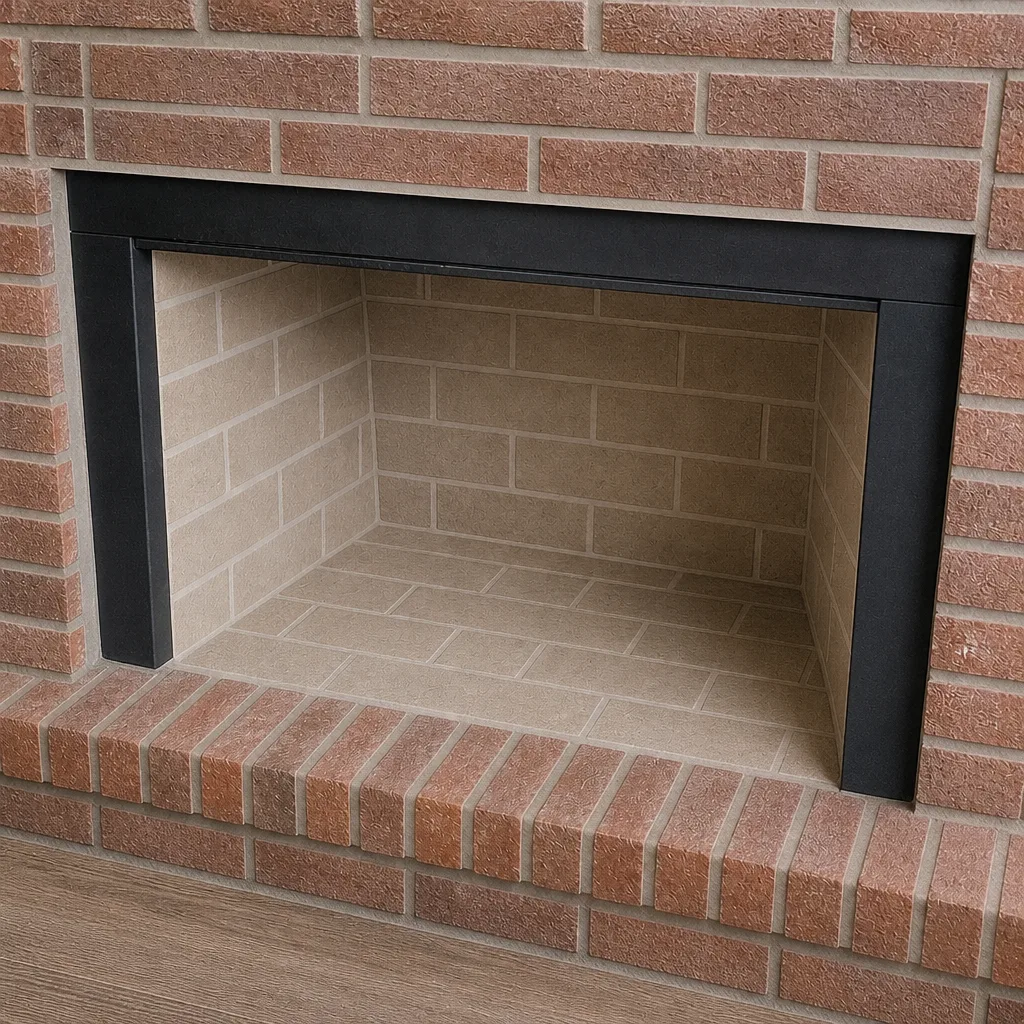
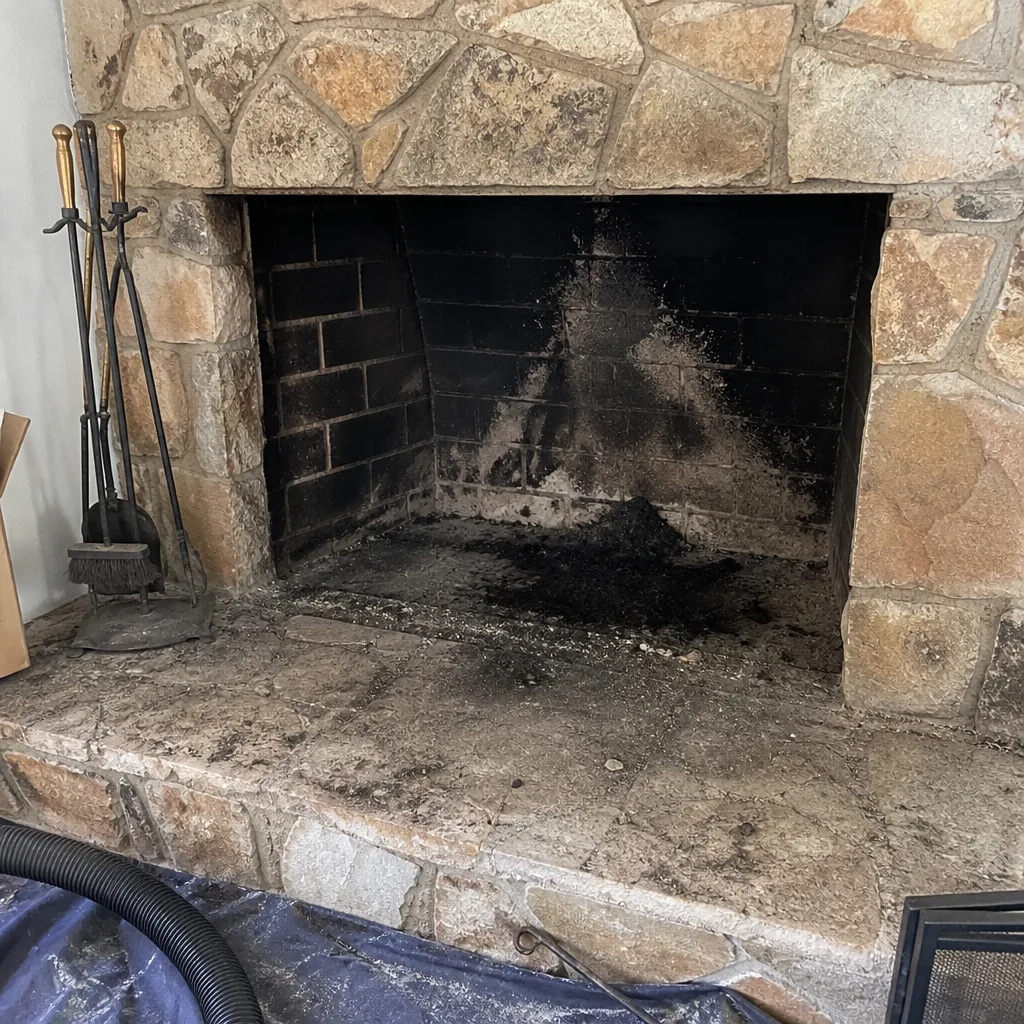
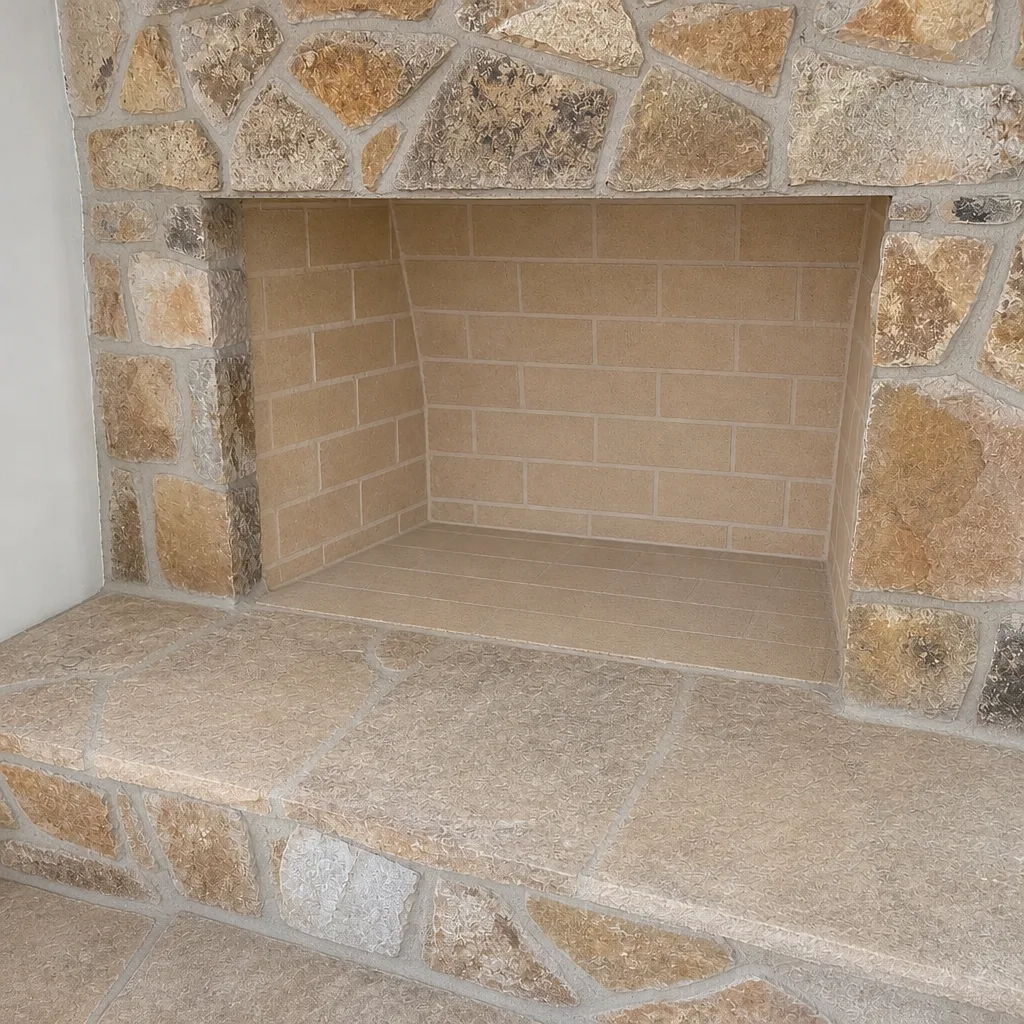
See the difference
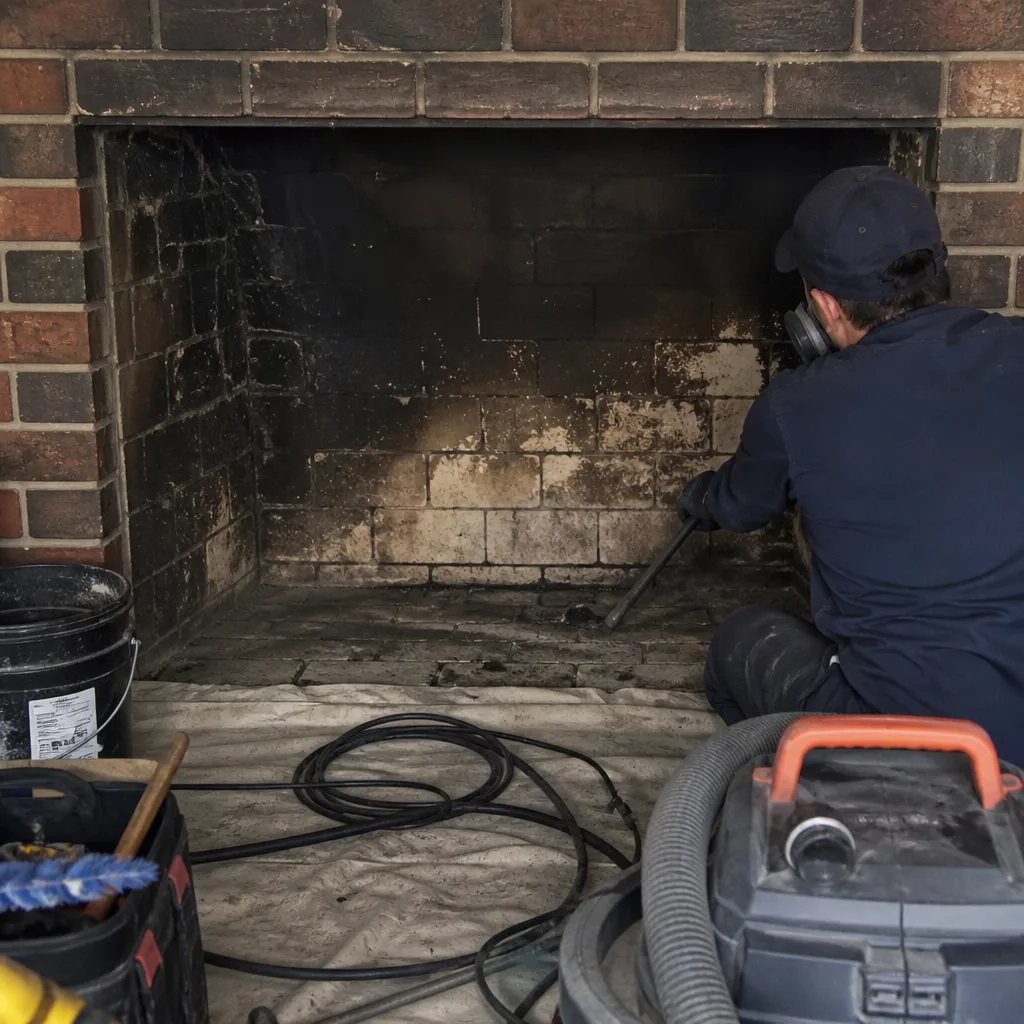 Before
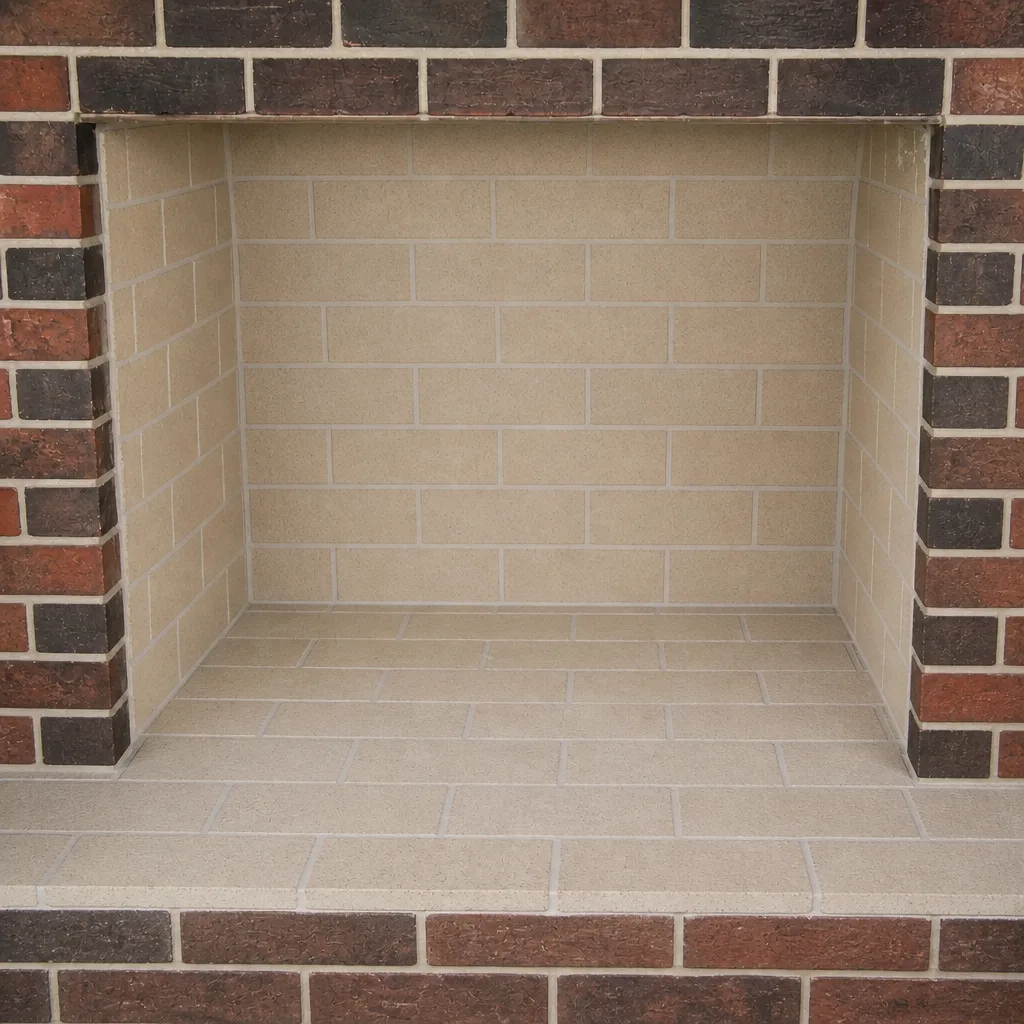 After
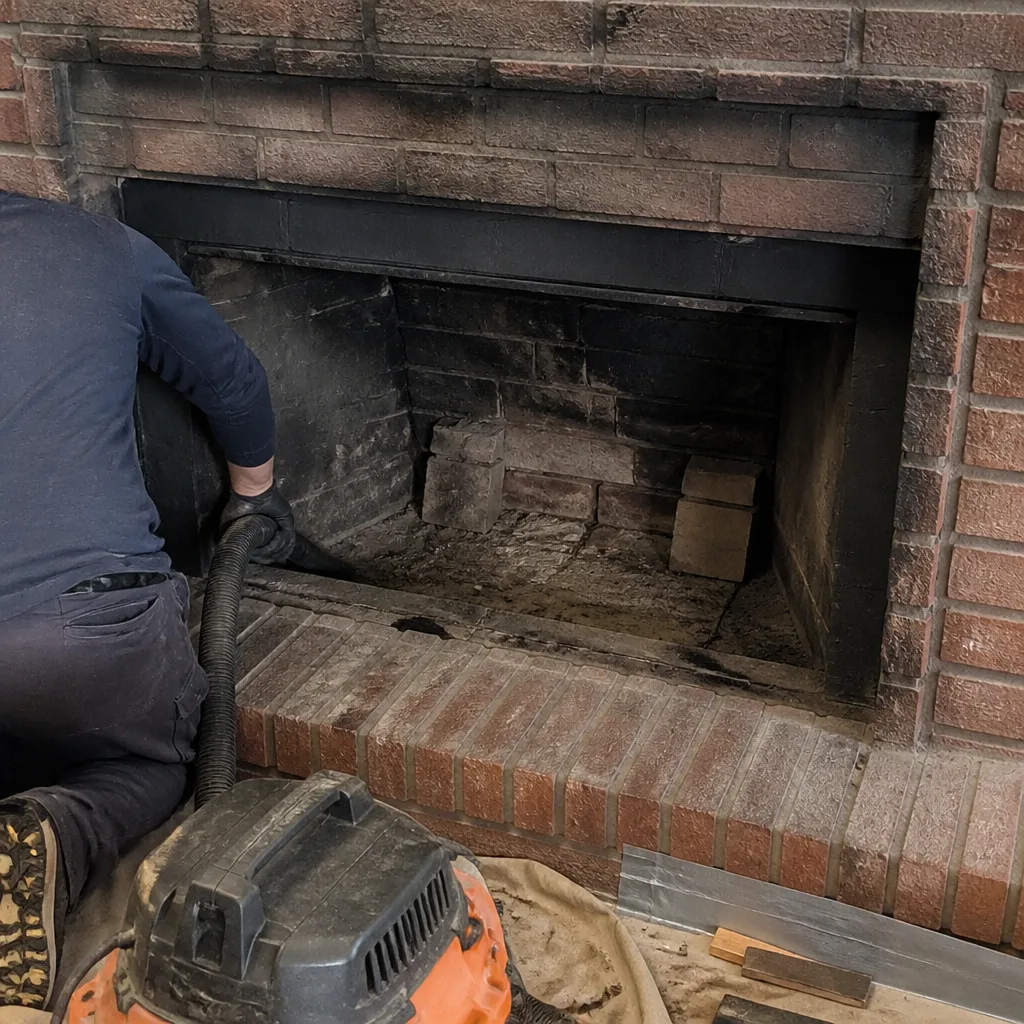 Before
 After
 Before
 After
When to Call a Professional
Call a chimney professional when you haven’t had the system inspected in a year or more, when you notice a strong creosote smell after burning, when smoke comes back into the room instead of going up, or when you see visible damage to the cap, crown, or firebox. Call before the first burn of the season if the fireplace has been idle. Call if you’ve switched from wood to gas and aren’t sure the flue is appropriate for the new appliance. Call if you’re buying or selling a home and need the inspection documented. And call if a previous contractor recommended expensive work you couldn’t verify – a second opinion with photos is worth having before you commit. Chimney Sweep Laguna Hills offers free estimates in Laguna Hills – call (855) 726-8035. We answer 24/7. Fast dispatch from 7am to 7pm, Sunday through Friday.
Frequently Asked Questions
Chimney sweeping in Laguna Hills is priced per job, and the written estimate sets the final price. The range depends on the number of flues, whether an inspection is bundled, and the condition of the system. Estimates are free, so call (855) 726-8035 and we’ll walk through what your job involves before you commit to anything.
A sweep cleans; an inspection tells you what condition the system is in, and they aren’t the same task. A sweep alone won’t identify a cracked liner, a failing crown, or a draft problem. For most Laguna Hills homeowners, the inspection is the more valuable half of the visit – it’s the part that produces the written report and the actual recommendations. Estimates are free, and the written estimate sets the final price, so call (855) 726-8035.
The usual guidance is once a year for a regularly used fireplace, and more often if you burn frequently or notice buildup. In Laguna Hills, intermittent use makes annual inspection the more reliable rule – it catches staged creosote buildup before it becomes a problem. If it’s been more than a year, it’s time. Call (855) 726-8035 for an exact quote.
Check the CSIA, NFI, and NCSG websites directly against the contractor’s name and company, and ask for a certificate of insurance in writing. These directories are public, and a real certification will show up. If a contractor claims a credential that doesn’t appear in the directory, treat it as unverified. Call (855) 726-8035 and we’ll tell you exactly which credentials our technicians hold and how to check them.
HeatShield is a resurfacing system applied to a flue that’s still structurally sound but has a degraded interior surface. It restores the liner at lower cost than a full replacement. A full reline replaces the liner entirely, which is necessary when the existing liner is damaged beyond resurfacing. The right call depends on what the inspection finds, not on a preference for one over the other. Call (855) 726-8035 for an exact assessment and estimate.
Creosote accumulates, and glazed creosote is the fuel that makes chimney fires possible. A damaged crown or missing cap also lets water into the masonry, and that damage compounds over time. Skipping maintenance doesn’t cost less; it just moves the cost to a repair you can’t schedule. The safe move is an inspection, and anything that can safely wait will be flagged as such. Call (855) 726-8035 – estimates are free.
The Bottom Line
Hiring a chimney cleaning contractor in Laguna Hills comes down to four things: verifying the credentials yourself, asking technical questions during the quote call, demanding a written report with photos, and comparing quotes by line item rather than bottom line. The cheapest bid is usually the one most likely to turn into an in-home upsell, and the credential check is the step that protects you most. When a contractor shows you what they find before recommending anything, you can trust the recommendation. That’s the standard worth holding every bid against. The team at Chimney Sweep Laguna Hills works with six professional trade brands – DuraFlex, HeatShield, Gelco, Olympia Chimney, Famco, and Copperfield – so the repairs a sweep turns up can be done with the right materials in one call.
Ready to get an honest assessment of your chimney? Call (855) 726-8035 for a free estimate. We answer 24/7. Fast dispatch from 7am to 7pm, Sunday through Friday.
Written by the team at Chimney Sweep Laguna Hills.