
Last updated November 25, 2026
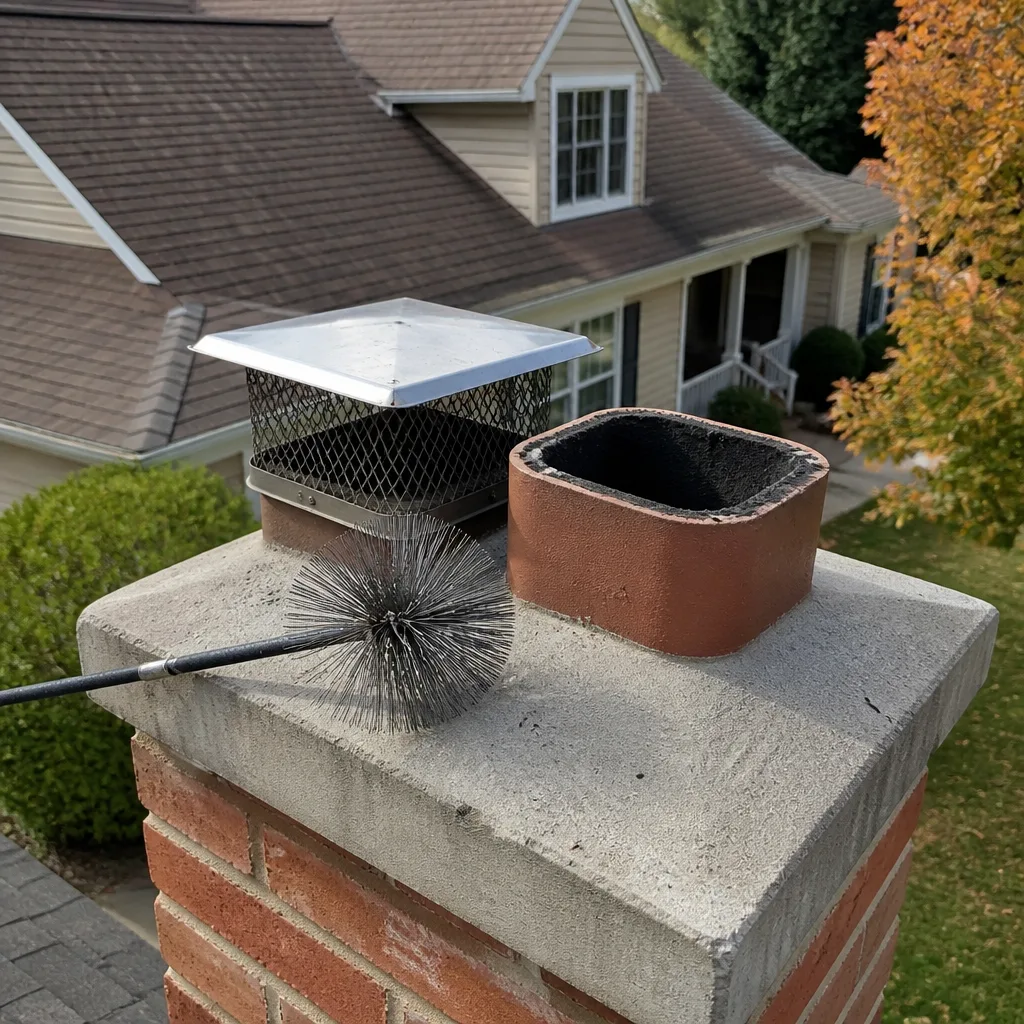 Sweep & inspection
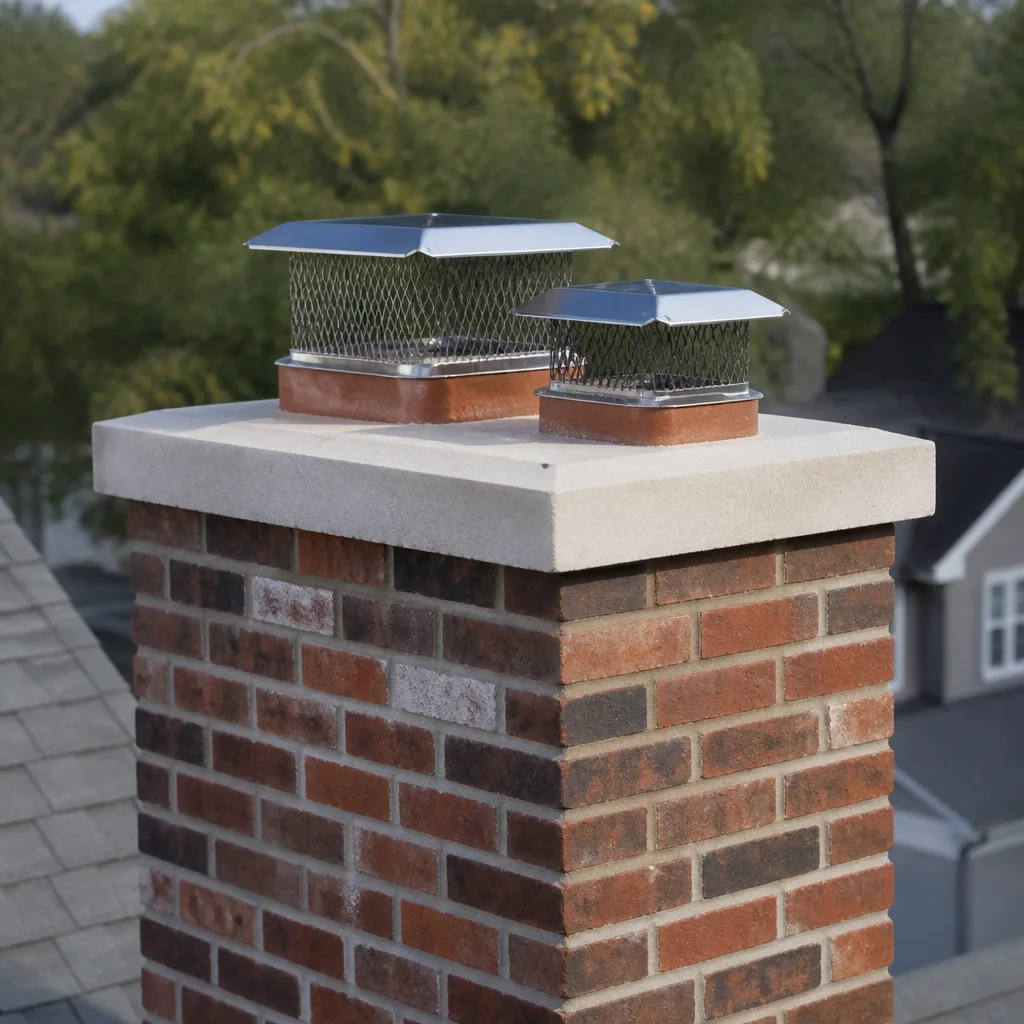 Caps & crowns
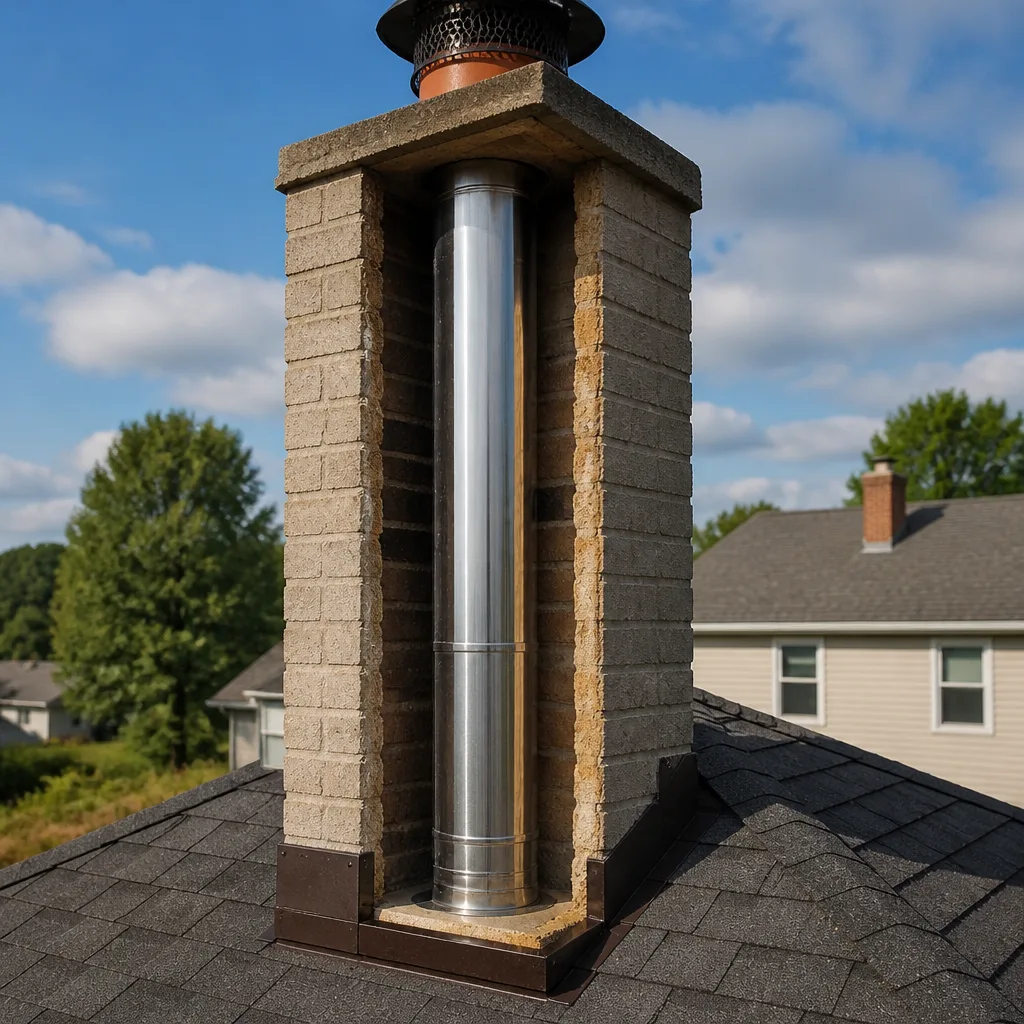 Flue relining
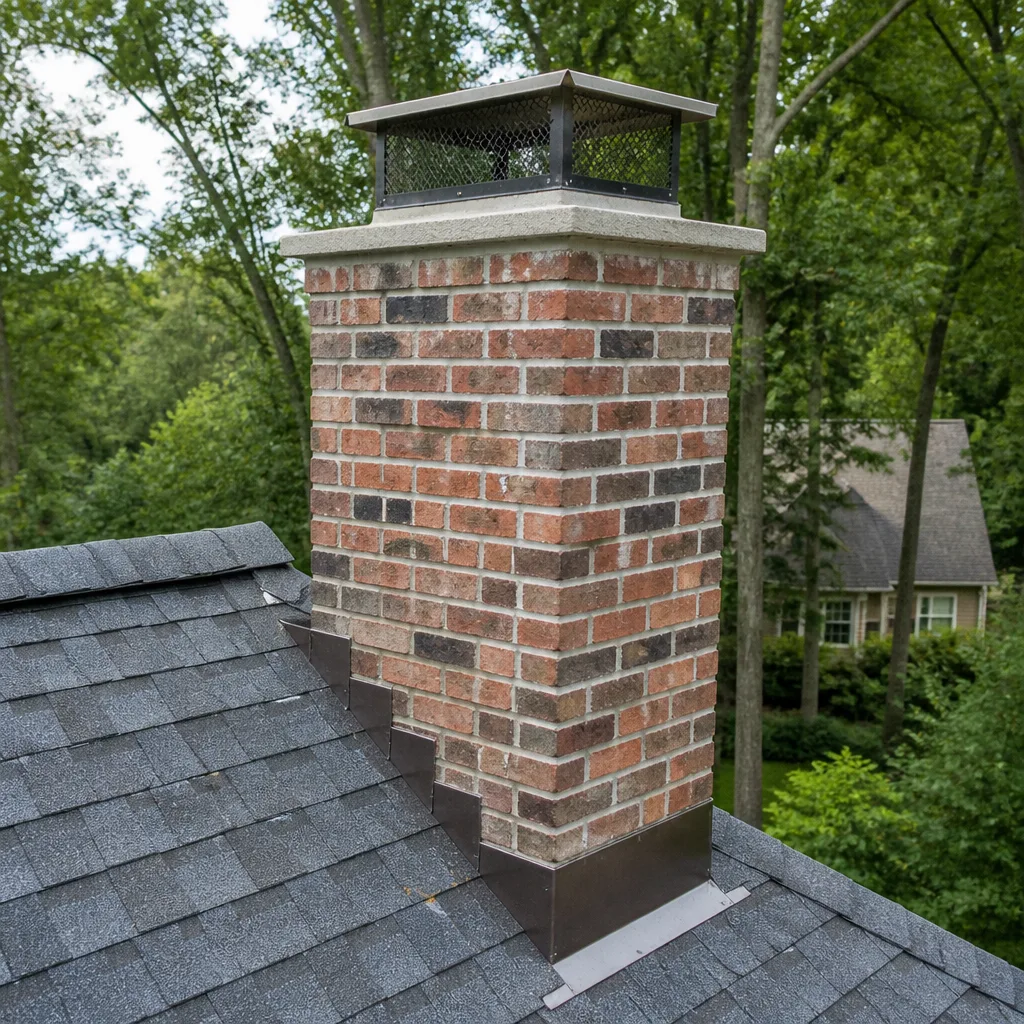 Masonry repair
 Gas fireplace service
Level 1 sweep and inspection to the NFPA 211 annual standard - flue, crown, cap, and flashing checked and photographed
Chimney sweep logs do not sweep chimneys. They loosen some creosote - which then falls where a brush and vacuum still have to collect it.
Seasonal Chimney Cleaning Care for Laguna Hills: Year-Round Homeowner’s Guide
Most chimney care advice you’ll find online was written for houses that spend five months under snow. Laguna Hills doesn’t work that way. Our year splits into a fire season, a short burn window, and a long dormant stretch interrupted by Santa Ana wind events, and a chimney care calendar built for a New England winter misses almost everything that matters here. Schedule your cleaning in October, as the national advice suggests, and you’ve cleaned after the winds have already pushed debris and nesting material into the flue. This guide lays out a calendar that actually fits Laguna Hills: what to do in each stretch of the year, what Santa Ana events do to caps and mortar, and how the marine layer affects liners during the months your fireplace sits idle.
Quick Answer
The best time to schedule chimney cleaning in Laguna Hills is late August to September, before the burn window opens and before Santa Ana winds have a chance to load the flue with debris. Add a post-wind inspection after any strong Santa Ana event, a mid-winter spot-check if you’ve burned more than ten fires, and post-season tasks in April and May to protect components through the dry summer. Year-round care here means timing work to our climate, not to a generic four-season schedule.
Styles & brands we work with
- Sweep & inspection
- Caps & crowns
- Flue relining
- Masonry repair
- Gas fireplace service
Table of Contents
- Why Laguna Hills Chimney Care Doesn’t Follow the National Calendar
- The Ideal Pre-Season Cleaning Window: August and September
- What Santa Ana Winds Do to Your Chimney – and the Post-Event Inspection
- Marine Layer, Summer Humidity, and Your Flue Liner
- The Mid-Winter Spot-Check: When Ten Fires Is Enough to Matter
- Post-Season Tasks for April and May
- What a Proper Sweep and Inspection Involves Here
- Your Laguna Hills Chimney Calendar at a Glance
Why Laguna Hills Chimney Care Doesn’t Follow the National Calendar
National chimney advice assumes a cold winter and a wet spring. Laguna Hills gets neither in the way that advice expects. Our burn window is short and light, our summers are dry and UV-intense, and our most destructive weather arrives as wind rather than snow. That changes when work should happen, and it changes what work matters most.
Think about what actually affects a chimney here across a year:
- Light, intermittent burning. Many Laguna Hills homeowners light a fire a few evenings a month through the cooler stretch rather than burning daily all winter. Light use still deposits creosote, and it’s easy to underestimate because the fire count feels low.
- Santa Ana wind events. These arrive with force and dry air, and they’re the single biggest driver of debris loading, cap damage, and exterior mortar wear in our area.
- A long, dry, bright dormant period. From late spring through summer, the chimney sits unused under strong sun, which is hard on crowns, caps, and any sealant or joint exposed on the exterior.
- Marine layer humidity in summer. The cooler, moisture-laden air that settles in during summer mornings and evenings works on liners, dampers, and firebox surfaces during the months nothing is burning.
The practical result: our highest-value chimney work happens before the burn window, not after it, and it happens again after wind events rather than on a fixed date. If you want the full picture of what a routine visit includes, our chimney sweep page walks through the service itself. This guide is about timing that service to the Laguna Hills year.
One more local reality: because our winters are mild, chimneys here often go a full year or more between cleanings without the homeowner noticing a problem. That silence isn’t safety. It’s just the absence of the cold-weather cues that prompt people elsewhere to book.
The Ideal Pre-Season Cleaning Window: August and September
For Laguna Hills, the optimal pre-season cleaning window is late August through September. Booking in that stretch means your flue is clear before the first fire of the season, and it means you’re cleaning before Santa Ana winds have had their say rather than after. It’s a meaningful difference from the October timing most national guides recommend.
Here’s why the earlier window fits us:
- The burn window opens earlier than the national calendar assumes. Cooler evenings can arrive in force by late September here, and many homeowners light that first fire well before October’s end. Cleaning in August or September means you’re ready when the mood strikes.
- Santa Ana winds peak in the fall. Waiting until October risks cleaning a flue that wind has already loaded with debris, oxidized cap flakes, and bird nesting material. Clean before the winds, then inspect after them.
- It leaves room for a repair before the season. If an inspection turns up a cracked crown or a damaged cap, an August or September cleaning gives you time to schedule the fix before you want to burn. A late-October discovery often means waiting.
- Summer dormancy has done its work. By late summer the chimney has been through months of dry heat and marine layer humidity. A pre-season visit catches the wear that stretch caused.
Our technicians have up to 15 years of experience, and the pattern they describe is consistent: the homeowners who book in late summer tend to have fewer mid-season surprises than those who wait. It’s not about urgency. It’s about sequencing work around the weather that actually shapes the year here.
What Santa Ana Winds Do to Your Chimney – and the Post-Event Inspection
Santa Ana winds are the defining chimney event in Laguna Hills, and they’re the reason a fixed annual date isn’t enough. These dry, strong offshore winds push debris, dust, and loose material into flues, stress caps and crowns, and work on exterior mortar joints. A chimney that was clean in September can pick up significant debris after a single strong event.
What the winds typically affect:
- Chimney caps. A cap’s job is weather exclusion and draft performance. Wind-driven debris can lodge against the cap and its screen, and sustained force can loosen a cap that wasn’t well secured. A cap engineered for the job, like the Gelco and Famco components we install, holds up better than a generic cover, but even a good cap deserves a look after a strong event.
- Exterior mortar joints. Wind-driven grit and the drying action of the air wear on mortar over time. Small joint failures are worth catching early, before they let moisture into the structure.
- Flue drafting. Debris and nesting material that lands in the flue restrict the passage and change how the chimney drafts. A fire that suddenly smokes or draws poorly after a wind event is a signal, not a coincidence.
The Post-Event Inspection Protocol
After a strong Santa Ana event, work through this checklist:
- Look at the cap and screen from the ground. Check for a tilted cap, a clogged screen, or debris visibly packed against it.
- Check the firebox and damper area for debris. Wind can push material down through an uncapped or poorly screened flue.
- Note any change in draft. If the fireplace smoked on the last fire when it never did before, treat that as a reason to book an inspection.
- Scan exterior mortar joints for new gaps or crumbling. A close look at the crown and the joints after a wind event catches wear early.
- Book a professional inspection if anything looks off. We show you what we find, with camera evidence, so you can see the condition of the flue for yourself before anything is recommended.
If a wind event leaves you unsure, our chimney repair team can assess caps, crowns, and mortar and tell you plainly what needs attention and what can safely wait.
Marine Layer, Summer Humidity, and Your Flue Liner
During the long non-use months, the marine layer feeds moisture into the chimney system while nothing burns to dry it out. That combination – humidity on one side, a dormant flue on the other – is hard on liners and damper seals, and it’s a factor that cold-climate chimney advice barely mentions.
What the summer humidity does over time:
- It works on the flue liner. Moisture combined with any residue left on the liner wall can accelerate deterioration, especially in an older flue with an unlined or clay-tile interior. This is where liner condition matters most, and where an inspection in late summer pays off.
- It stresses the damper seal. A damper that sits closed through humid months can stiffen or corrode at the seal. A damper that won’t seal tightly lets conditioned air escape and moisture in.
- It affects the firebox surface. Damp, unused fireboxes can show surface wear that a dry, regularly used one wouldn’t.
When a liner does need attention, the right fix depends on the flue. HeatShield resurfacing restores a deteriorated liner from the inside, extending the life of the existing system at lower cost than a full replacement. For older or irregularly shaped flues that a rigid liner can’t accommodate, a DuraFlex flexible liner system is the professional-tier answer. Both are trade-brand materials specified by chimney engineers, not hardware-store substitutes. The point is fit: the right liner for your flue, chosen after we’ve seen the inside of it, not a one-size solution.
A note on safety: liner and flue condition is a genuine safety matter, and we don’t walk homeowners through relining as a do-it-yourself project. It’s work for a trained professional. What you can do is know the signs – poor draft, a damper that won’t seal, visible liner damage from an inspection – and act on them.
The Mid-Winter Spot-Check: When Ten Fires Is Enough to Matter
If you’ve burned more than ten fires in a season, a mid-winter spot-check is worth booking. In a mild-climate home it’s easy to assume light use means little buildup, but creosote accumulates with every fire regardless of how few you light. A spot-check catches a problem while the season is still going.
Why light-use homes here underestimate the risk:
- Fire counts feel low, but buildup is real. A homeowner who lights ten or fifteen fires over a winter might think that’s nothing. Each fire deposits creosote, and it doesn’t take a heavy burn schedule to build a layer worth checking.
- Cool, damp evenings favor smoldering fires. A fire that burns slow and cool because the evening is mild produces more creosote than a hot, active fire. Our shoulder-season burning tends to be gentler than a cold-climate burn, and that gentler burn is harder on the flue.
- There’s no cold-weather cue to stop and check. In colder regions, a hard winter prompts people to notice problems. Here the season passes quietly.
A spot-check is a light visit: we inspect the flue and firebox, confirm draft is drawing properly, and tell you whether the season’s buildup calls for a sweep or can wait until spring. That’s the transparency we build every visit on – we show you what we find, and we say when work can safely wait.
If your fireplace itself is acting up – a damper that sticks, a firebox that needs attention – our fireplace repair service covers that alongside the chimney work.
Post-Season Tasks for April and May
April and May are the right months to close out the season and protect your chimney through the dry summer ahead. This is the stretch when the burn window is behind you and the long dormant period is arriving. A little attention now saves component wear through the months nothing is burning.
Post-season tasks worth doing:
- Book a post-season sweep and inspection. Clearing the season’s creosote and debris before summer keeps residue off the liner through the humid months and lets an inspector confirm condition while it’s fresh in mind.
- Check the crown and cap. The crown sheds water and the cap excludes weather and animals. UV-intense summer sun is hard on crowns, and checking now catches small issues before summer makes them worse.
- Inspect exterior mortar joints. Dry summer heat follows a spring that can leave joint wear exposed. Catching it in May protects the structure through the dry stretch.
- Confirm the damper seals. A damper that closed poorly all season will keep losing conditioned air through summer. Now is the time to check and fix the seal.
- Note anything that changed during the season. If draft was off, if the firebox showed wear, if the cap looked loose – write it down for the post-season visit. Details help.
A new cap or crown, installed with Gelco or Famco components, is best fitted in this window so it’s in place for the summer’s sun and the fall’s winds. Those components are engineered for draft performance and weather exclusion, which is exactly what the dry summer and the wind season ask of them.
What a Proper Sweep and Inspection Involves Here
A chimney visit in Laguna Hills should include a visual inspection of the firebox and damper area, a check of the cap and crown from the ground or roof, and a sweep of the flue where buildup warrants it. It’s inspection-first: we look before we recommend, and we show you what we find with camera evidence and a photo report.
What to expect on a typical visit:
- Inspection first. We check the firebox, damper, flue, cap, and crown. The inspection tells us what the chimney actually needs, not what a fixed package includes.
- A camera view of the flue. Camera inspection and a photo report are included, so you can see the liner condition for yourself rather than take our word for it.
- A flat-price agreement before the work. The price is set per job by the written estimate, and we agree it with you before booking. No surprise on the bill.
- The right follow-up if something’s found. A damaged cap, a deteriorating crown, a liner that needs resurfacing – we explain the options and recommend only what the evidence supports.
Our brands are chosen for the job each component does. HeatShield for liner resurfacing. DuraFlex for flexible relining. Gelco, Famco, Olympia Chimney, and Copperfield for caps, crowns, and other components. These are trade-brand materials, not substitutes, and they’re why a repair here is built to last rather than patched to pass. For a fuller look at the service, see our Chimney Sweep Laguna Hills page.
Your Laguna Hills Chimney Calendar at a Glance
Here’s the whole year in one place, mapped to how the climate here actually behaves:
- Late August and September – pre-season sweep. Get the flue clean before the burn window and before Santa Ana winds arrive. This is the single most important booking of the year.
- October and November – prepare to burn. First fires, and the season’s first post-wind inspections as Santa Ana events arrive. Address any cap or crown issues found now.
- December through February – burn window. Enjoy the fireplace. Book a mid-winter spot-check if you’ve lit more than ten fires.
- March – late-season check. Last fires of the season; one more look if the winter was busy.
- April and May – post-season sweep and inspection. Clear the season’s residue and protect the crown, cap, and joints through summer.
- June through August – summer dormancy. Monitor the cap and crown through the dry, sun-intense months. This is also when marine layer humidity works on the liner, so late summer is the time to check it before the next pre-season sweep.
That’s the whole calendar. Four touch points, timed to our climate, rather than a fixed annual date that ignores it.
Common Mistakes to Avoid
- Booking the cleaning in October. That’s the national recommendation, and it means cleaning after the wind season has already loaded the flue. Late August or September is the right window in Laguna Hills.
- Assuming light use means no buildup. Burning ten fires in a mild winter still deposits creosote. A spot-check mid-season is worth it for the reason that the season is short, not in spite of it.
- Skipping the post-wind inspection. Santa Ana events can change cap condition, drafting, and debris loading in a single day. A look after a strong event catches what an annual date misses.
- Waiting to check the liner until something goes wrong. The long summer dormancy under marine layer humidity is exactly when a tired liner gets worse. Check it in late summer before the next season.
- Letting the dry summer sit on a worn crown or cap. UV and summer heat are hard on exterior components. Checking them in spring protects them through the dry stretch.
- Buying a hardware-store cap or liner substitute. Generic covers don’t match the draft and weather performance a cap engineered for the job provides. Trade-brand components hold up better through wind and sun.
- Letting the inspection get skipped. A sweep without an inspection misses cap, crown, and liner condition. Every visit here includes the inspection, camera view and photo report included.
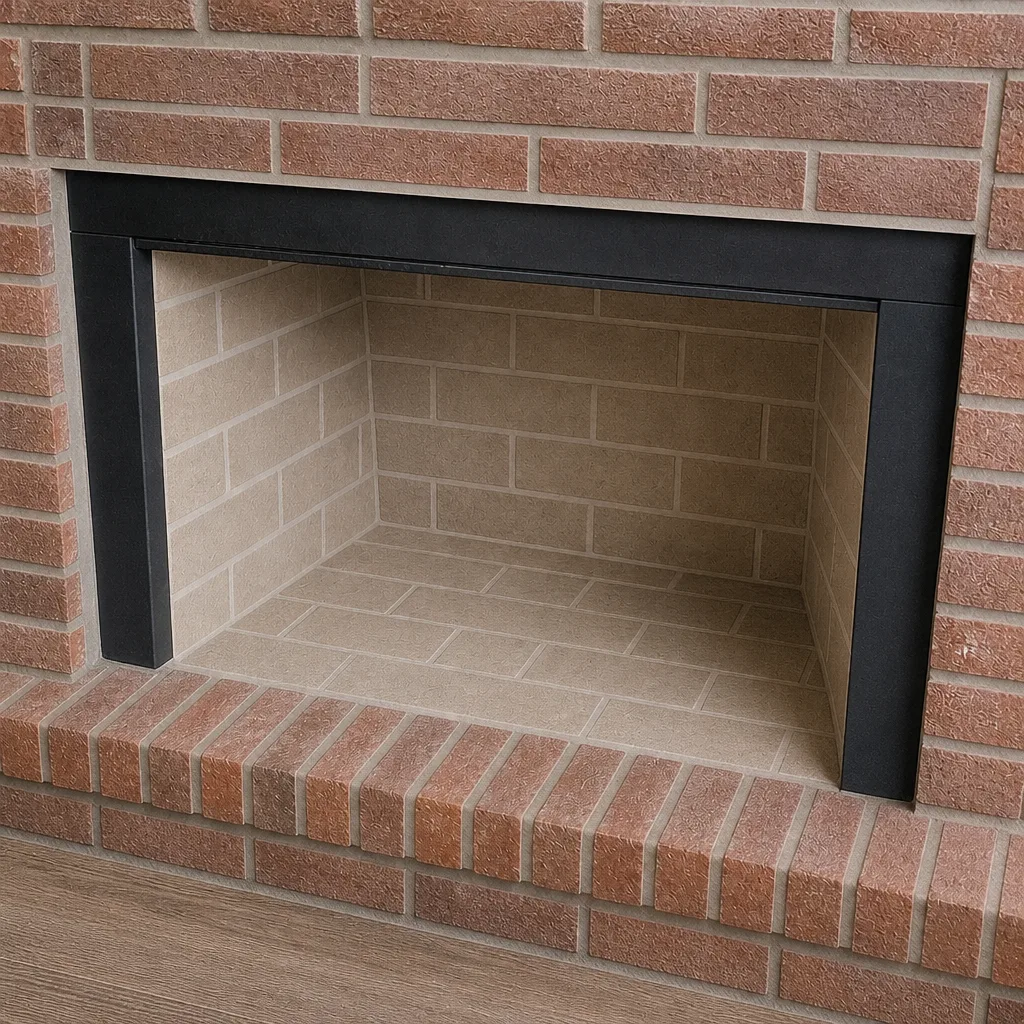
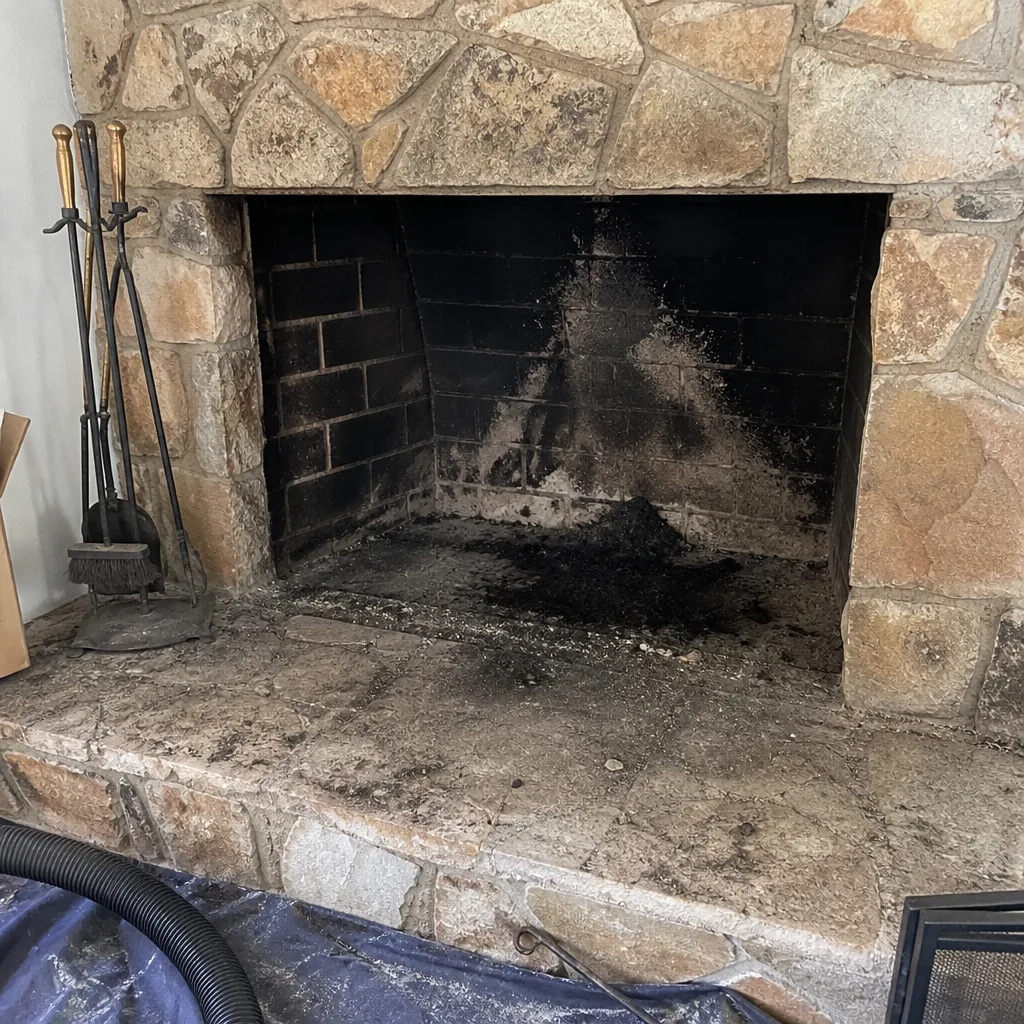
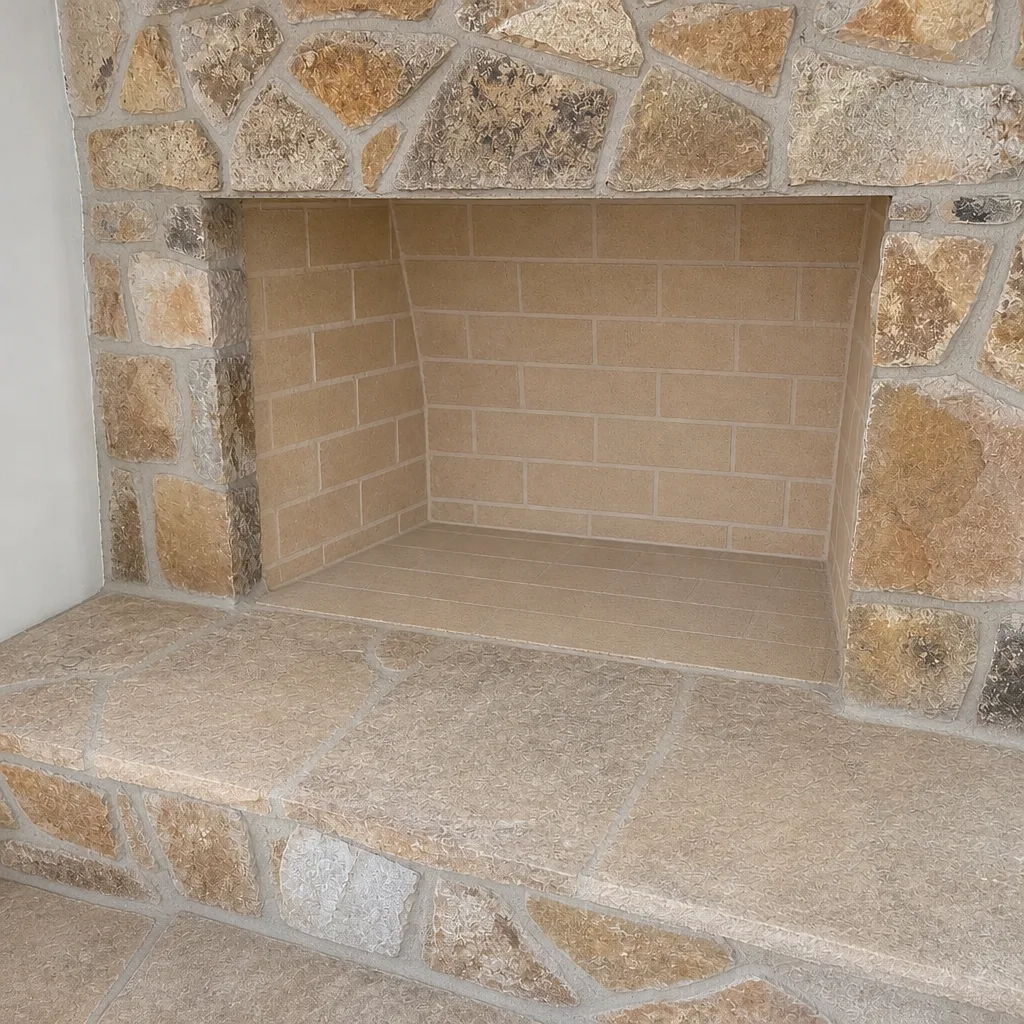
See the difference
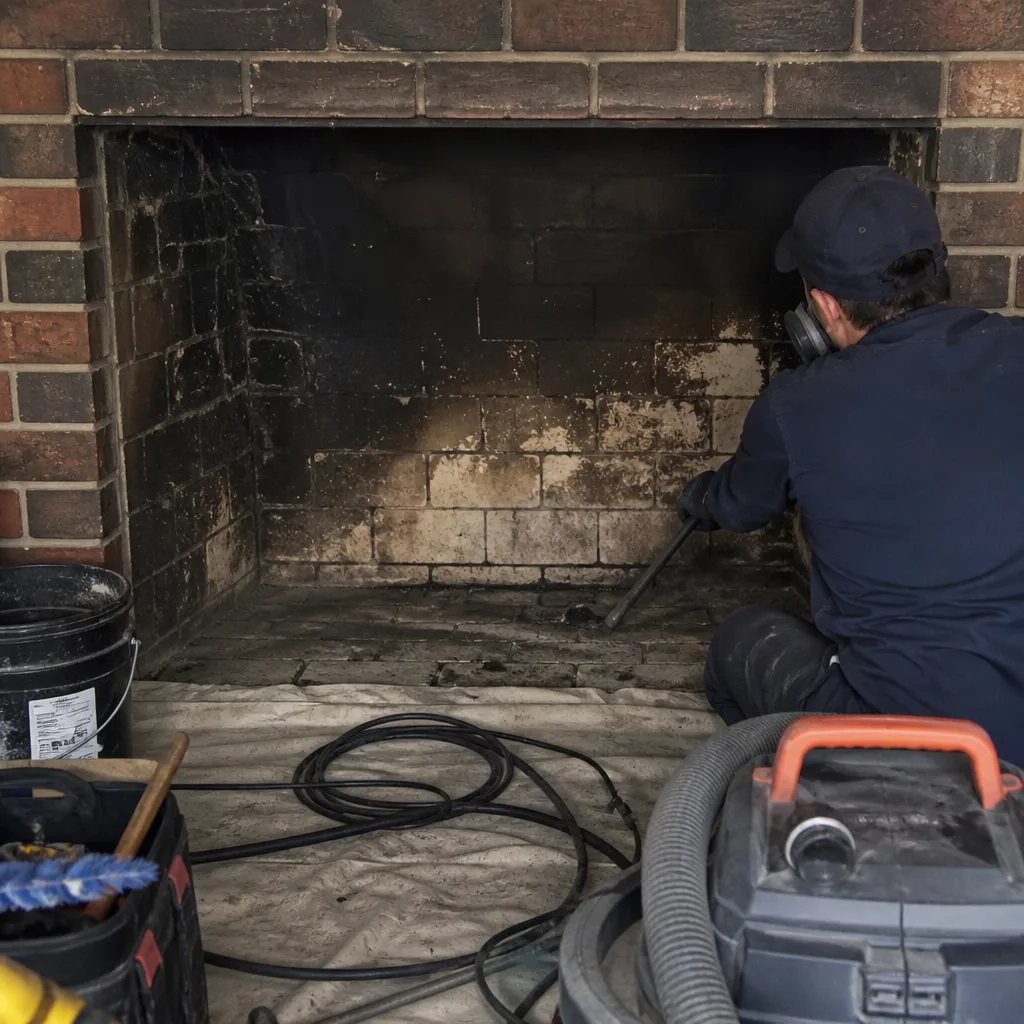 Before
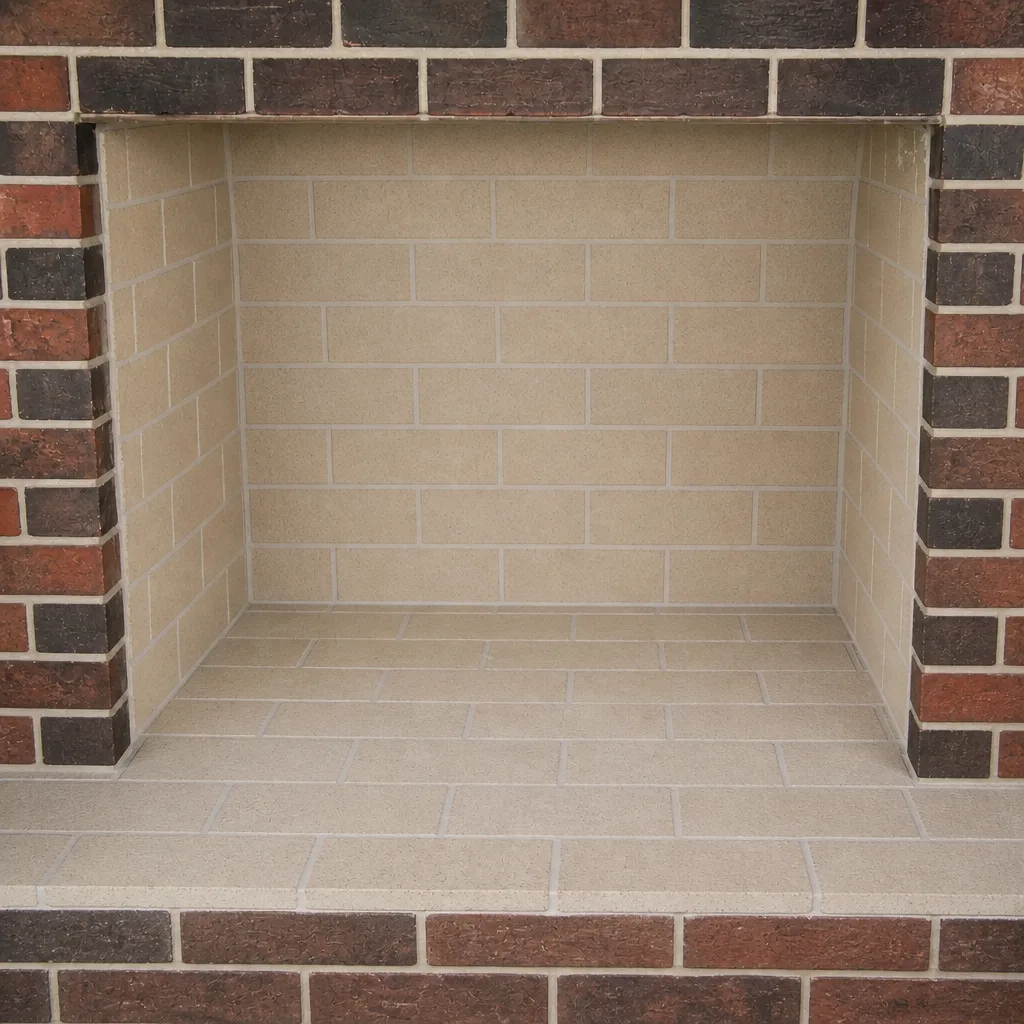 After
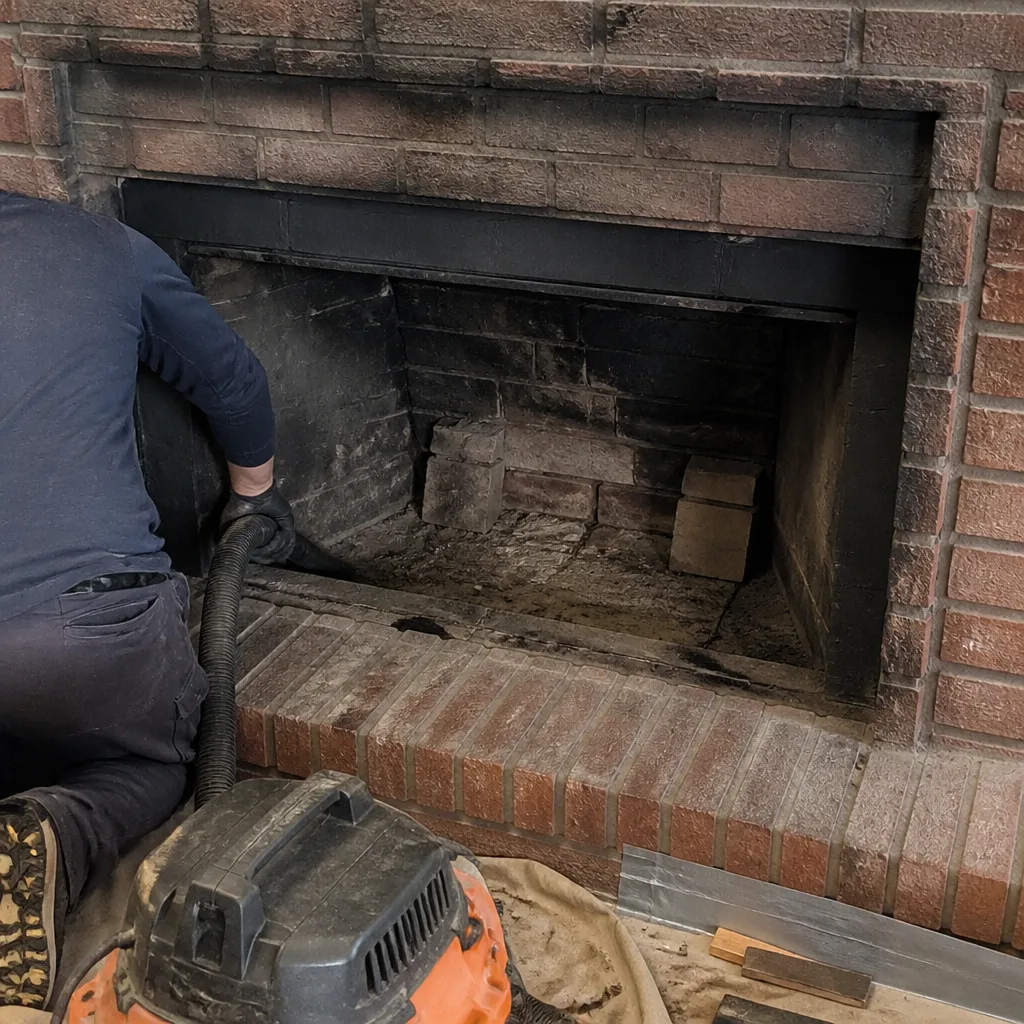 Before
 After
 Before
 After
When to Call a Professional
Call a professional, never handle it yourself, if you see or smell any of these: a strong, acrid odor from the firebox, a fire that smokes or draws poorly, visible soot or creosote on the firebox walls, a cap that looks tilted or clogged, or any change in drafting after a Santa Ana wind event. Creosote buildup and flue obstruction are genuine safety matters – a chimney fire or carbon monoxide exposure is a real risk when a flue is blocked or heavily fouled, and these are not conditions for a homeowner to diagnose from the ground. The same goes for elm, ash, or any debris left in the firebox after a wind event. If in doubt, book an inspection and let a trained professional look. Chimney Sweep Laguna Hills offers free estimates in Laguna Hills – call (855) 726-8035.
Frequently Asked Questions
A routine chimney sweep in Laguna Hills is priced per job by the written estimate, with the flat-price agreement set before booking. We don’t publish a fixed number because every chimney’s condition differs, and a figure on a website would only be a guess. Call (855) 726-8035 for an exact quote – estimates are free.
Most Laguna Hills homeowners should book a sweep once a year, in late August or September, plus a post-wind inspection after any strong Santa Ana event and a mid-winter spot-check if they’ve burned more than ten fires. A home that burns very lightly might stretch the interval, but the pre-season visit is the one not to skip. Call (855) 726-8035 to schedule.
Not necessarily. We show you the liner condition on camera before recommending anything, and resurfacing with HeatShield is often the right answer when the liner is worn but the flue is sound. Only when the liner itself is deteriorated beyond resurfacing does relining with DuraFlex make sense. Call (855) 726-8035 and we’ll tell you what the evidence supports.
Creosote builds up with every fire, even light use, and a blocked or heavily fouled flue raises the risk of a chimney fire or carbon monoxide exposure over time. Skipping a year doesn’t cause an immediate problem, but it removes the inspection that catches small issues before they become expensive. Call (855) 726-8035 for a check.
Because Santa Ana winds peak in the fall, and cleaning in October means cleaning after the winds have already pushed debris and nesting material into the flue. Late August and September get the flue clear before both the burn window and the wind season. Call (855) 726-8035 to book that window.
Call (855) 726-8035. We answer 24/7. Fast dispatch from 7am to 7pm, Sunday through Friday. A call outside dispatch hours is booked into the next opening.
The Bottom Line
A chimney care calendar for Laguna Hills should follow our climate, not a generic four-season schedule. Book your sweep in late August or September before the burn window and before Santa Ana winds arrive. Inspect after strong wind events, since they’re the biggest driver of debris loading and cap wear. Spot-check mid-season if you’ve burned more than ten fires, because light use still deposits creosote. And in April and May, close the season properly and protect the crown, cap, and joints through summer’s dry heat and marine layer humidity. Handled on that calendar, the chimney stays in good condition across the year, and you get an honest read on what needs attention and what can wait.
Ready to get on the calendar? Call (855) 726-8035 for a free estimate. We answer 24/7. Fast dispatch from 7am to 7pm, Sunday through Friday.
Written by the team at Chimney Sweep Laguna Hills.