
Last updated November 25, 2026
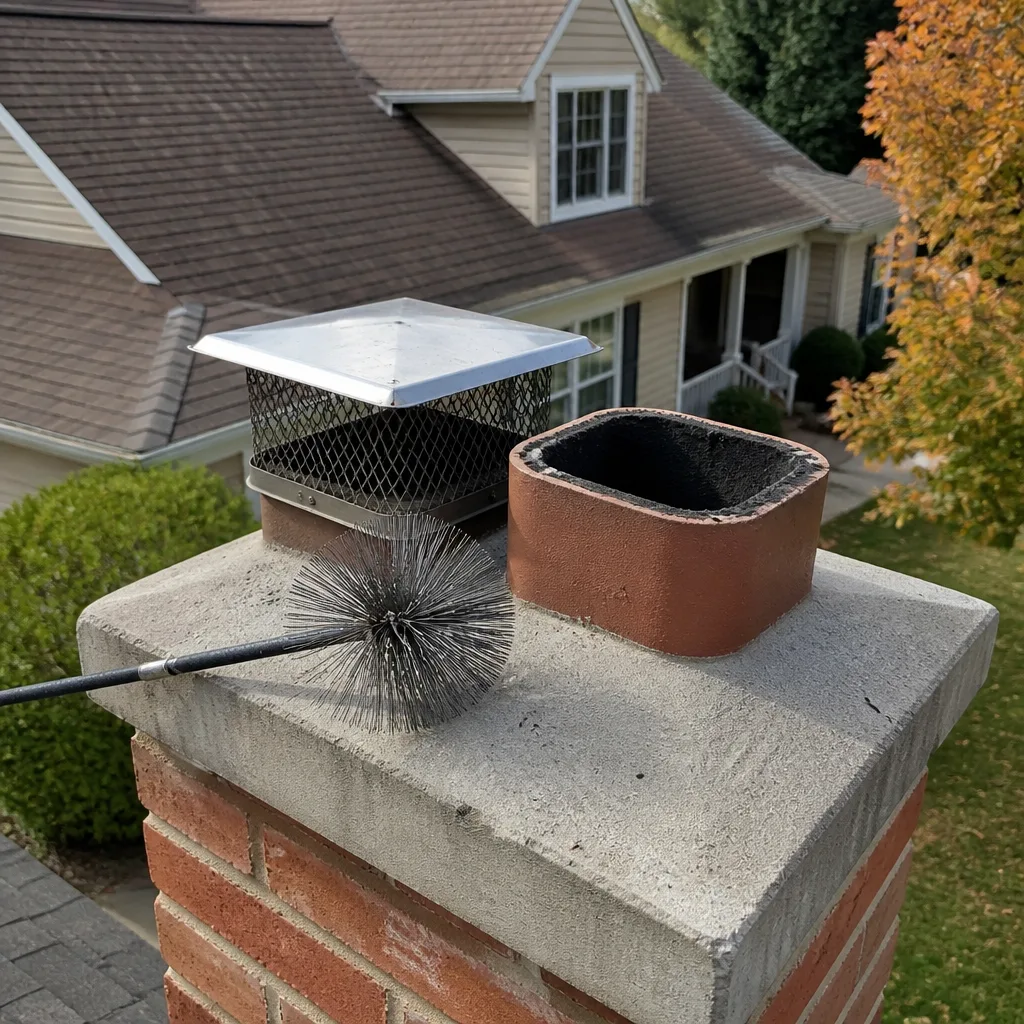 Sweep & inspection
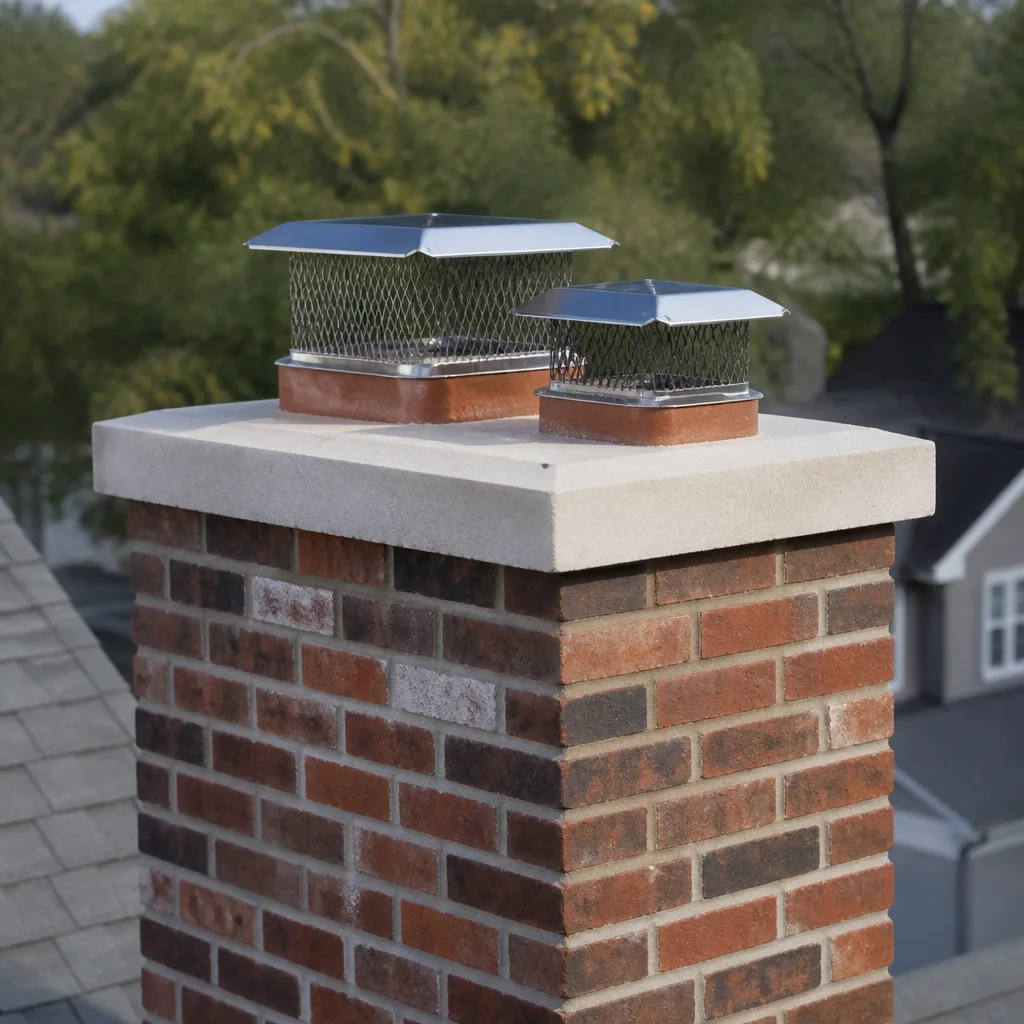 Caps & crowns
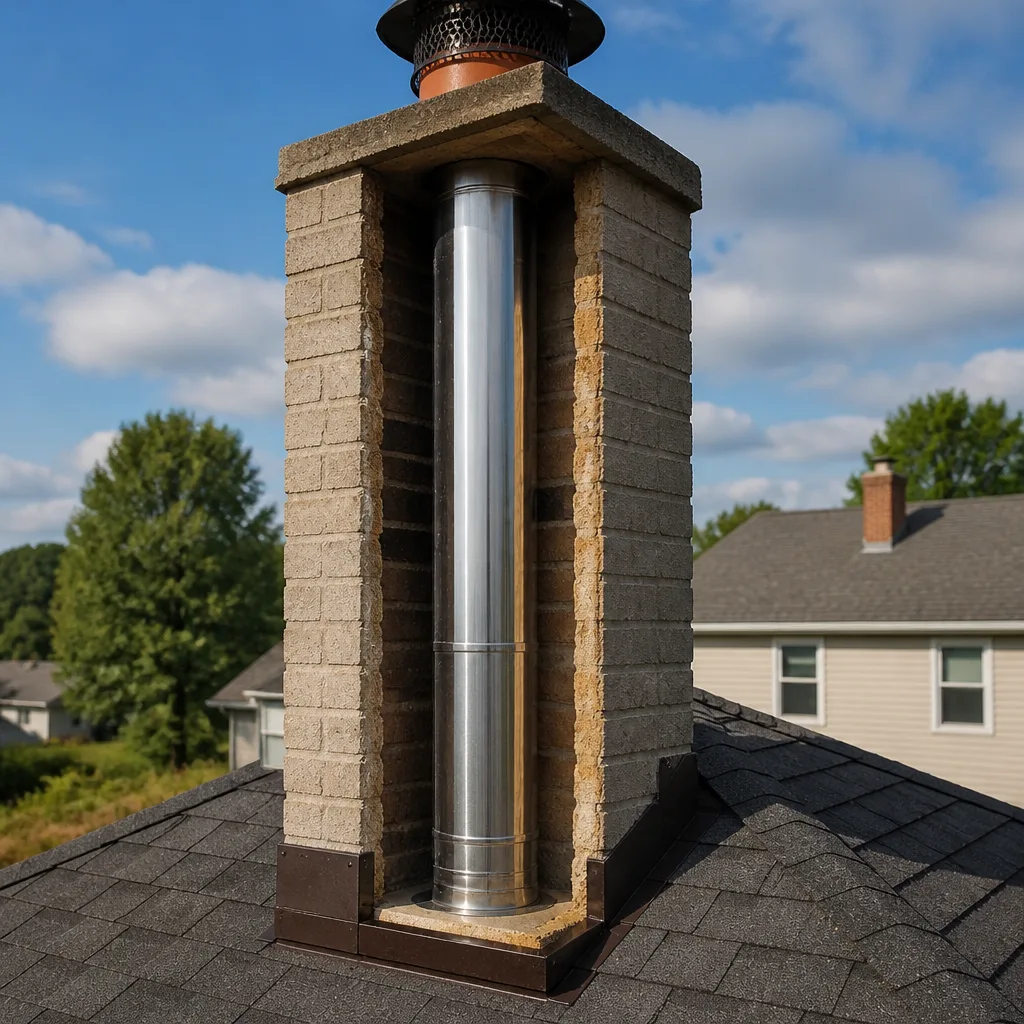 Flue relining
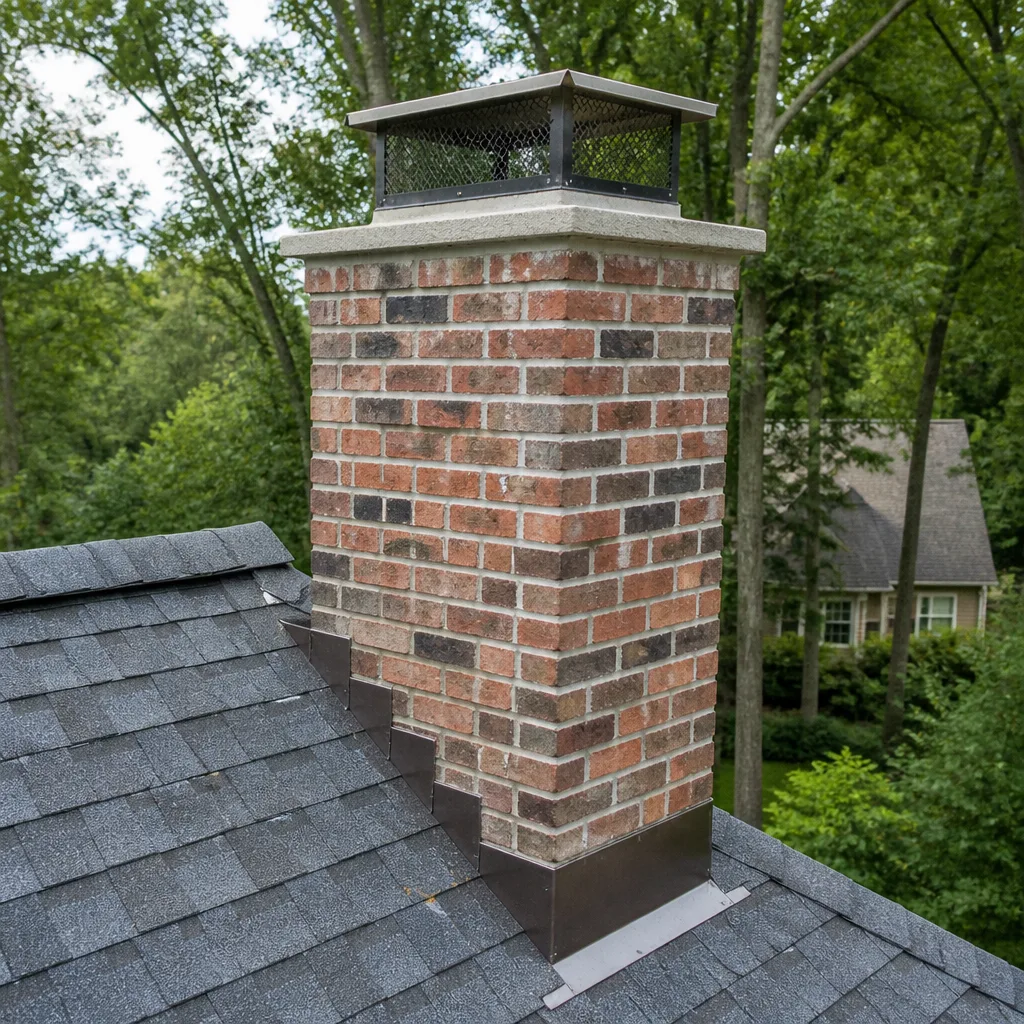 Masonry repair
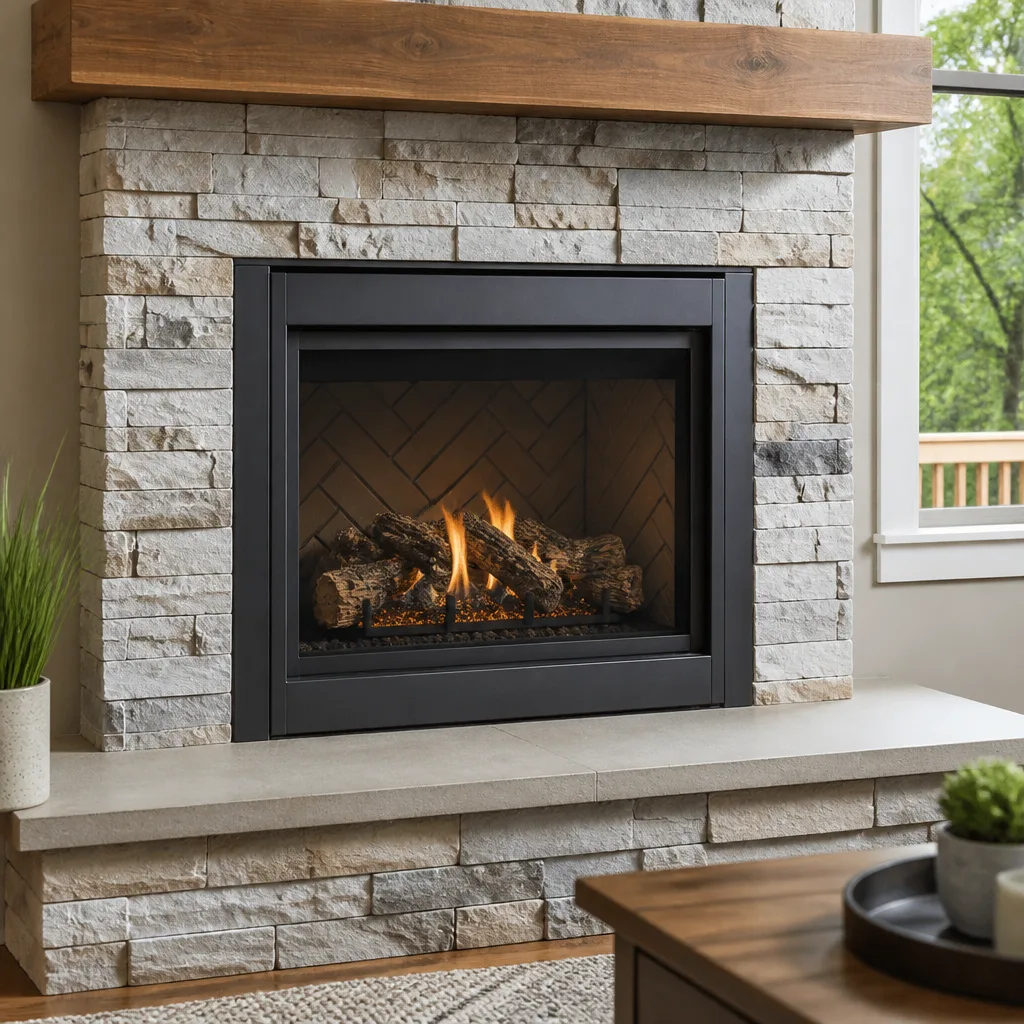 Gas fireplace service
Level 1 sweep and inspection to the NFPA 211 annual standard - flue, crown, cap, and flashing checked and photographed
Chimney sweep logs do not sweep chimneys. They loosen some creosote - which then falls where a brush and vacuum still have to collect it.
DIY vs Professional Chimney Cleaning: The Laguna Hills Homeowner’s Decision Guide
Most mechanically capable homeowners can push a brush through a flue. That’s not the hard part. The hard part is knowing whether the flue you just brushed is safe. A kit bought online will knock loose soot off the walls, but it won’t tell you that a cracked smoke chamber joint is letting heat reach framing, or that a prefab section has separated behind the firebox where the brush never reaches. The real question in Laguna Hills isn’t whether you can clean a chimney. It’s whether you can inspect one. This guide separates debris removal from structural evaluation, walks through the failure modes we see in local masonry and prefab systems, and gives you an honest map of what you can own yourself and what genuinely needs a trained eye.
Quick Answer
DIY chimney cleaning removes soot and creosote from the flue but does not evaluate the chimney’s structure, and the inspection is the part that prevents fires. For a Laguna Hills home with a masonry or prefab system that has never been camera-inspected, a professional sweep with an included inspection is worth the cost because it catches what a brush cannot. If your flue was professionally inspected recently and you simply want to clear light soot between visits, brushing is a reasonable task to own.
Styles & brands we work with
- Sweep & inspection
- Caps & crowns
- Flue relining
- Masonry repair
- Gas fireplace service
Table of Contents
- What DIY Cleaning Physically Accomplishes
- What a Brush Cannot See: The Inspection Gap
- Failure Modes in Laguna Hills Masonry and Prefab Systems
- Liability and Insurance: What “Cleaned and Safe” Actually Means in California
- The Real Cost-Benefit Math
- What You Can Genuinely Own Between Professional Visits
- How a Professional Sweep Actually Works, Step by Step
- Signs You Should Stop and Call a Professional
What DIY Cleaning Physically Accomplishes
A homeowner with the right brush, a drop cloth, and some patience can remove a meaningful amount of soot from a straight flue. That’s a real result, and it’s worth being clear about what it buys you: the flue is cleaner than it was. Soot and light creosote fall or get scrubbed off the walls, draft improves somewhat, and the immediate firebox looks and smells better. If you have a simple masonry chimney with a straight run and a cleanout at the bottom, brushing is mechanically achievable for most careful adults.
Here’s what that same effort does not do. It doesn’t tell you the thickness of the creosote in the second-stage glaze that resists brushing, and glaze is the fuel that drives a chimney fire. It doesn’t reveal a hairline crack in the flue tile, a spalled mortar joint in the smoke chamber, or a rusted-out prefab section above the damper. A brush conforms to the shape of whatever is there; it doesn’t evaluate what it passed through. In our experience the biggest gap between DIY and professional isn’t the cleaning motion, it’s the absence of someone who knows what to look for while the brush is in the flue.
There’s also the physical reality of the work. Brushing a chimney from the top means roof access, and roof access in Laguna Hills is a fall hazard on any two-story home. Brushing from the bottom means working around a firebox opening, moving a log grate, and dealing with the dust that gravity pushes back into the room. It’s doable, but it’s not the clean, tidy job the sales photos suggest. For the parts of the job you genuinely want to hand off, our chimney sweep covers the flue and the firebox together.
What a Brush Cannot See: The Inspection Gap
The core difference between sweeping and inspecting is lighting and sightline. A sweep with a bright work light and a camera can look up a flue from the bottom and down from the top, and the two views catch different things. A brush does neither. The most common serious problems we find are structural, not cosmetic, and they live in the places a brush simply can’t illuminate:
- Smoke chamber cracks. The sloped shelf above the damper takes heat and expands and contracts with every fire. A crack here lets heat and embers reach the framing or masonry around it. From the firebox it can look fine; from the top or with a camera it doesn’t.
- Flue tile joint separation. The individual tiles are stacked with mortar joints. Those joints open with heat cycling, and a separated joint is a direct path for heat to the outside of the flue. Brushing passes over it.
- Prefab section separation. Factory-built chimneys are assembled in sections with gaskets and locking bands. Over years, a section can lift or a gasket can fail, and the failure is invisible from the firebox.
- Damper and throat damage. A warped or rusted damper affects draft and control, and you can’t judge it by running a brush past it.
- Crown and cap problems. The crown is the concrete top of the chimney that sheds water. A cracked crown lets water in, and the resulting damage can eat a flue from the inside. You won’t see it from the ground.
This is why the inspection is the part that protects you. If you want a full evaluation of the whole system, an inspection is the right starting point, and you can see how that works on our chimney repair page. The honest position: sweeping cleans, inspection diagnoses, and the diagnosis is what actually prevents a fire.
Failure Modes in Laguna Hills Masonry and Prefab Systems
Laguna Hills homes come in two broad chimney types, and each has its own common wear patterns. Knowing which one you have tells you a lot about what to watch for and what a professional will focus on during an inspection.
Masonry chimneys
Many older Laguna Hills homes have masonry chimneys with clay tile liners. The predictable problems are tile joint separation, spalled mortar in the smoke chamber, and a crown that has cracked and let water into the stack. Water intrusion is the slow killer here. It doesn’t announce itself; it works on the masonry around the flue until a repair that could have been a resurfacing becomes a rebuild. Heat cycling from regular fires adds to it, opening joints a little more each season. When we find a flue that’s still structurally sound but rough on the inside, HeatShield resurfacing is often the right answer – it restores the liner surface from the inside without pulling the chimney apart, which keeps the cost down compared to a full reline.
Prefab and factory-built fireplaces
Prefab systems are common in Laguna Hills, especially in newer construction and in homes where the fireplace was added later. They’re engineered assemblies with specific clearances and specific components, and they have a shorter service life than masonry. The failure modes are section separation, gasket failure, warped or rusted components, and cracked refractory panels inside the firebox. The catch with prefab is that some of these parts are matched to the specific unit, and there is no safe generic substitution. This is where professional-grade components matter: we work with brands like Olympia Chimney and DuraFlex because the right part is often the difference between a safe repair and a hopeful one.
Neither system is inherently dangerous. The problem is a system that has quietly developed one of these issues while nobody was looking. That’s exactly the gap an inspection fills and a DIY brush pass leaves open.
Liability and Insurance: What “Cleaned and Safe” Actually Means in California
When a homeowner brushes their own chimney, there’s no signature, no record, and no professional standing behind the assessment. That matters more than people expect. If a chimney fire happens after you’ve decided the flue was “clean and safe,” your insurer will ask how you know. If the answer is “I ran a brush through it,” you’ve self-certified a safety judgment you weren’t trained to make, and the burden of showing the chimney was actually sound shifts onto you.
Professional work leaves a trail. A sweep with an included inspection produces a record of what was found and what was done, and that record is evidence if there’s ever a claim. It also means a trained person made the call, not a homeowner guessing at what a cracked joint means. We phrase this carefully: we don’t do the insuring, and we can’t speak for any carrier’s policy language. But the principle is straightforward – a documented inspection carries weight that a self-assessment never will.
There’s also the question of scope. A liability issue can arise if a homeowner’s DIY work damages a component and a later fire is traced to it. The cleanest position is to have an unbroken chain of professional assessments on record, especially for a chimney of unknown history. If the system is older or has never been examined, that chain starts with a proper inspection.
The Real Cost-Benefit Math
This is where the DIY conversation usually goes wrong. The comparison people make is “brush kit price vs. sweep price,” and that comparison leaves out the equipment that actually matters, the time, and the residual risk. Here’s the honest breakdown:
- Equipment. A decent brush kit, rods, a shop vac rated for fine soot, drop cloths, and a work light add up quickly, and the equipment is only as good as the person using it. Most of it sits in a garage between uses.
- Time. A careful homeowner doing their first chimney cleaning should budget a chunk of a day, plus the cleanup afterward, and the risk of a dust mess in the room.
- What’s covered. A professional sweep comes with an inspection of the whole system, and that inspection is the part whose cost you’re really paying for. The sweep is the visible service; the diagnosis is the valuable one.
Pricing in Laguna Hills runs in the same general range as the rest of south Orange County, and every job is priced by a written estimate. The important point for the decision is that you’re not comparing a brush to a sweep. You’re comparing “clean” to “clean and evaluated.” If the flue has never been inspected, the DIY path leaves the most important part undone. If it was inspected recently, brushing between visits is a reasonable way to save on the routine cleaning and still get the expert eyes at the next scheduled inspection. Call (855) 726-8035 for an exact quote – the estimate is free, and the written estimate sets the final price.
What You Can Genuinely Own Between Professional Visits
DIY isn’t the villain here, and we’re not going to pretend every task needs a truck. There are real, useful maintenance tasks a careful Laguna Hills homeowner can own, and they keep the chimney healthier between professional evaluations. Here’s what we’d actually suggest you handle yourself:
- Clear the firebox and ash pan of cooled ash and leftover debris before the season. A clean firebox burns more predictably.
- Check the firebox for obvious cracks in the refractory panels or masonry. If you can see a gap or a chunk missing, stop firing and get it looked at.
- Look at the damper and confirm it opens, closes, and seals. A damper that won’t close is a draft and heat-loss problem worth fixing.
- Inspect the cap and crown from the ground with binoculars. You’re looking for a missing or damaged cap, a rusted screen, or visible cracks in the concrete crown.
- Do a visual smoke test during the first fire of the season. If smoke rolls back into the room instead of drafting up, that’s a signal to call before you keep burning.
- Keep the area around the hearth clear and store firewood well away from the firebox opening.
What you shouldn’t own is anything involving roof access, a tall flue, or a heat-rated repair. Those are the tasks where the risk of a fall or a bad repair outweighs the savings. For the components themselves, the right answer is professional-grade parts – we install Gelco caps and Famco components because they’re engineered for draft and weather exclusion, not generic covers that fail in a few seasons.
How a Professional Sweep Actually Works, Step by Step
Because the value of professional work is partly the process, it helps to know what a full service actually looks like so you can judge whether a quote covers it. Here’s the sequence we follow, and the reason each step exists:
- Protect the room. Drop cloths go down before any equipment is opened. Cleanup is part of the service, not an afterthought.
- Inspect the firebox and damper first. This gives us a baseline on the parts we can see before the flue is touched.
- Brush or sweep the flue. The method follows the shape of your flue. Straight masonry runs take a rotary brush; irregular or older flues may need a different approach.
- Camera-inspect the flue and smoke chamber. This is the step that catches cracks and separations the brush can’t evaluate. We show you what we find, with photos, so you’re not taking our word for a repair recommendation.
- Check the crown and cap from the top or with a camera. This is where water intrusion and draft problems usually start, and it’s where the inspection often pays for itself.
- Give you a written finding. What was found, what (if anything) needs doing, and what can safely wait. No pressure to fix everything in one visit.
That last point matters to us. You should never be told you need thousands of dollars of liner or masonry work you have no way to verify. Nothing we recommend is done without camera evidence you can see for yourself, and we’ll tell you plainly when a repair can safely wait a season. A sweep is booked as a service – it’s not an emergency dispatch. The urgency is seasonal: get it done before burning season, not at the last minute.
Signs You Should Stop and Call a Professional
Some situations are not DIY decisions. If any of these are true, brushing doesn’t solve the problem and can make it worse by giving a false sense of safety:
- You’ve never had the chimney inspected and you don’t know its history. Start with a professional inspection.
- There’s a strong, dark glaze on the flue walls. Hard creosote needs more than a consumer brush, and it’s the most common fuel for a chimney fire.
- You’ve had a chimney fire at any point. Even a small one can crack tiles and smoke chambers in ways that aren’t visible. This is not a self-inspect situation.
- You smell smoke in the room when the fireplace is lit and the damper is open. That’s a draft or blockage problem that needs diagnosis.
- You see cracks in the smoke chamber, firebox, or flue tiles. These are structural and heat-related, and a brush won’t fix them.
- A prefab unit has any warped or separated component. Prefab parts are matched to the unit and can’t be swapped for generic equivalents.
- You can see a cracked crown, a missing cap, or water staining on the stack. Water damage on a chimney needs a proper diagnosis and often a targeted repair.
If you’re in one of these situations, the practical next step is a professional inspection, not more brushing. A trained eye plus a camera catches what a brush can’t.
Common Mistakes to Avoid
- Treating a brushed flue as “inspected.” These are different jobs. A clean flue can still have a cracked smoke chamber. Confusing the two is the most common way homeowners end up with a fire risk they didn’t know about.
- Buying a consumer brush kit and assuming it handles glaze. Glazed creosote resists brushing. If the flue is heavily glazed, brushing rubs the surface and leaves the fuel. That needs professional evaluation.
- Cleaning from the roof on your own. A ladder, a pitched roof, and a tall flue are a fall risk on any Laguna Hills two-story home. The savings are real, but they aren’t worth a fall.
- Skipping the inspection because the previous owner “had it cleaned.” A cleaning isn’t an inspection, and a report from years ago tells you nothing about the flue today.
- Replacing a whole liner when resurfacing would work. HeatShield resurfacing restores many sound-but-rough liners at lower cost than a full reline. A good technician evaluates first and quotes the right repair, not the biggest one.
- Using hardware-store covers as a cap replacement. A cap that doesn’t fit or vent correctly can hurt draft. We use Gelco and Famco components for a reason, and the difference shows in performance.
- Waiting until the first cold night to book a sweep. The urgency here is seasonal, not hourly. Get the work done before burning season so the inspection findings can be handled calmly.
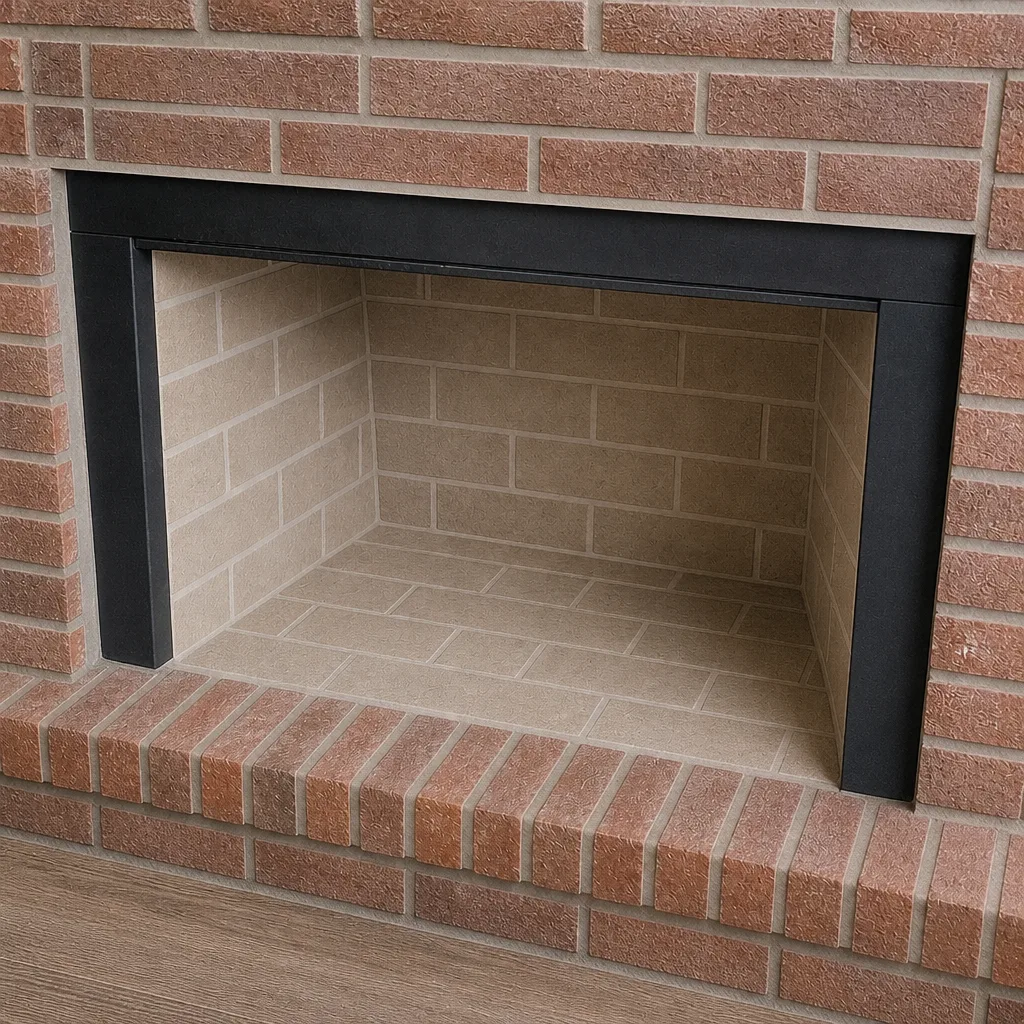
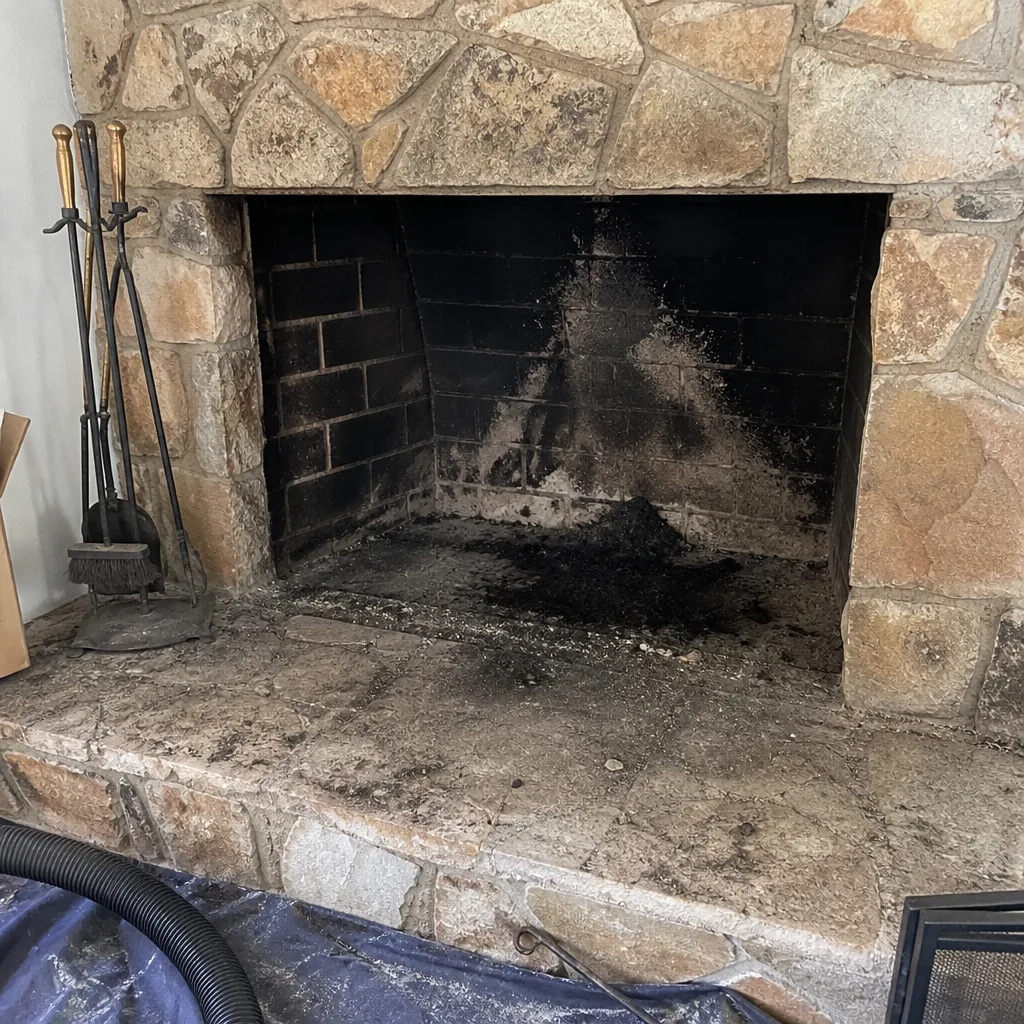
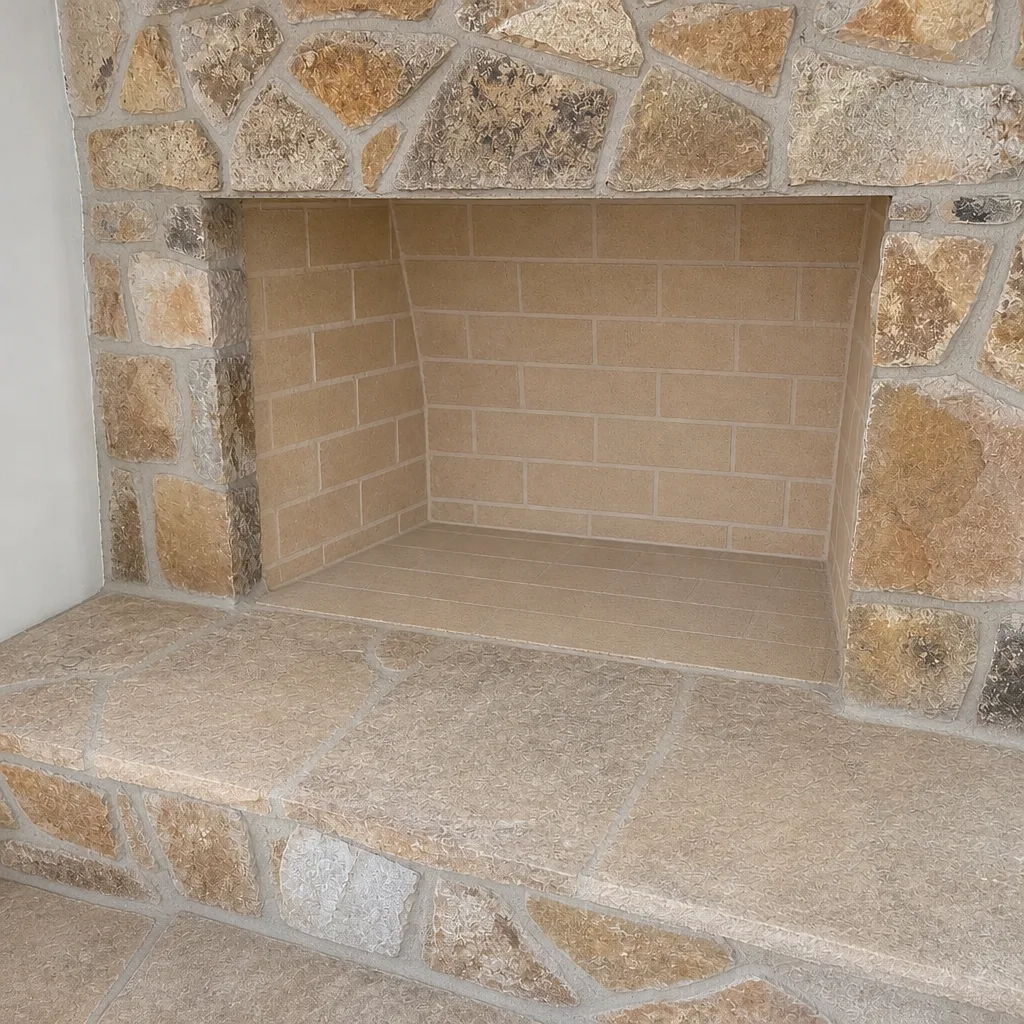
See the difference
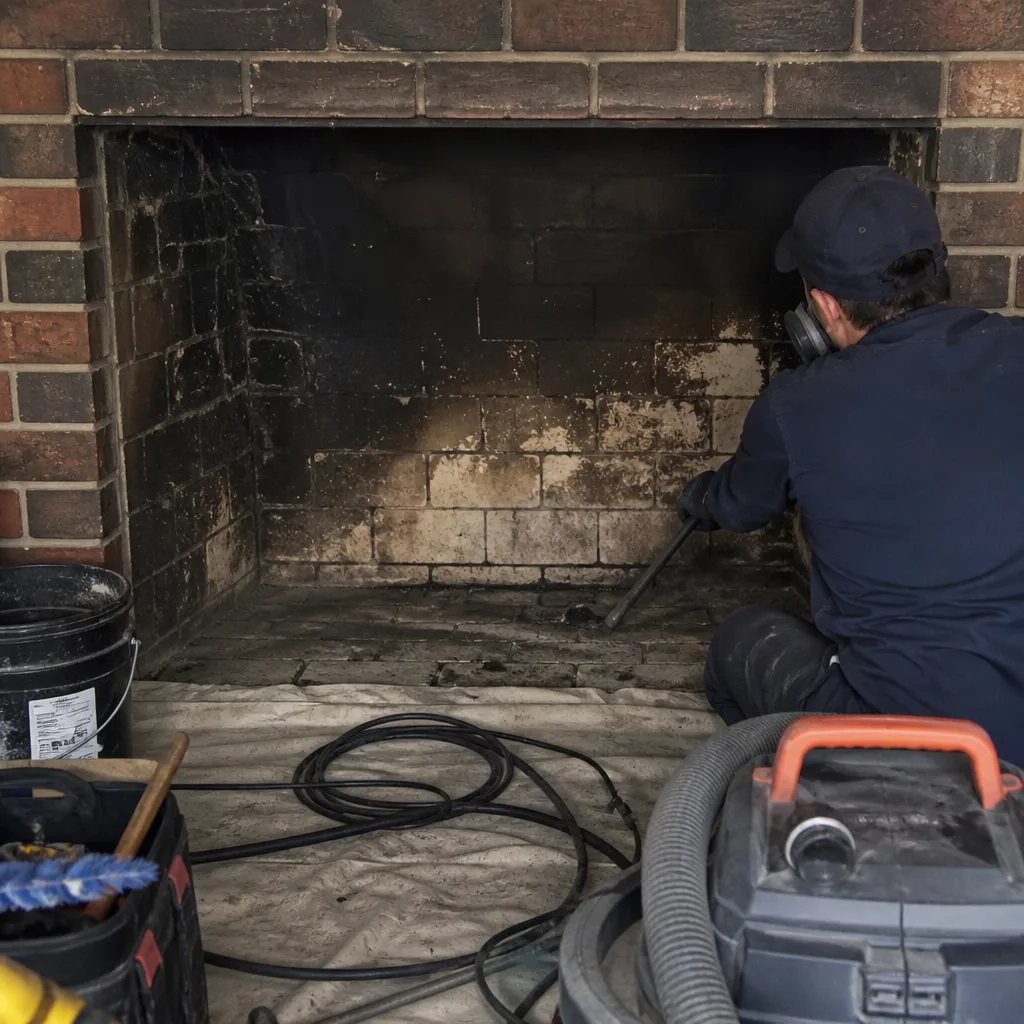 Before
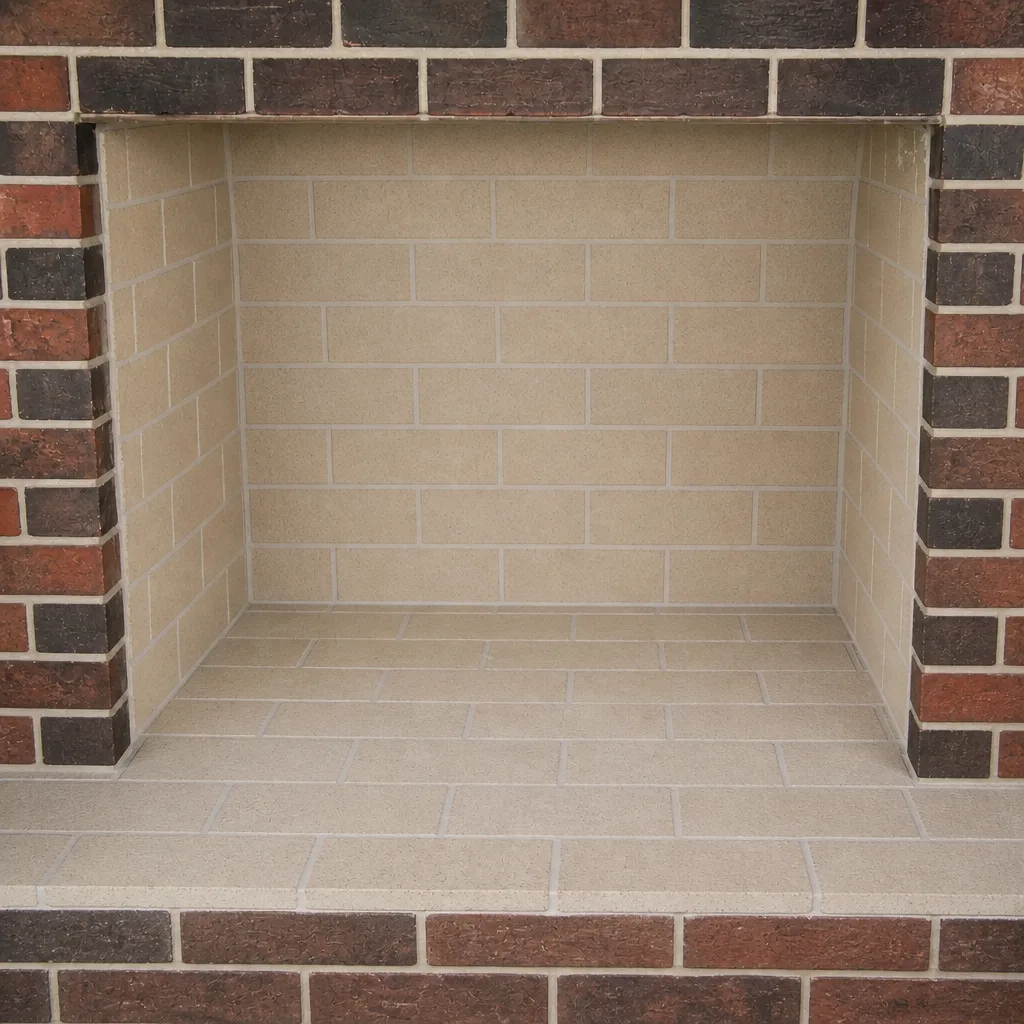 After
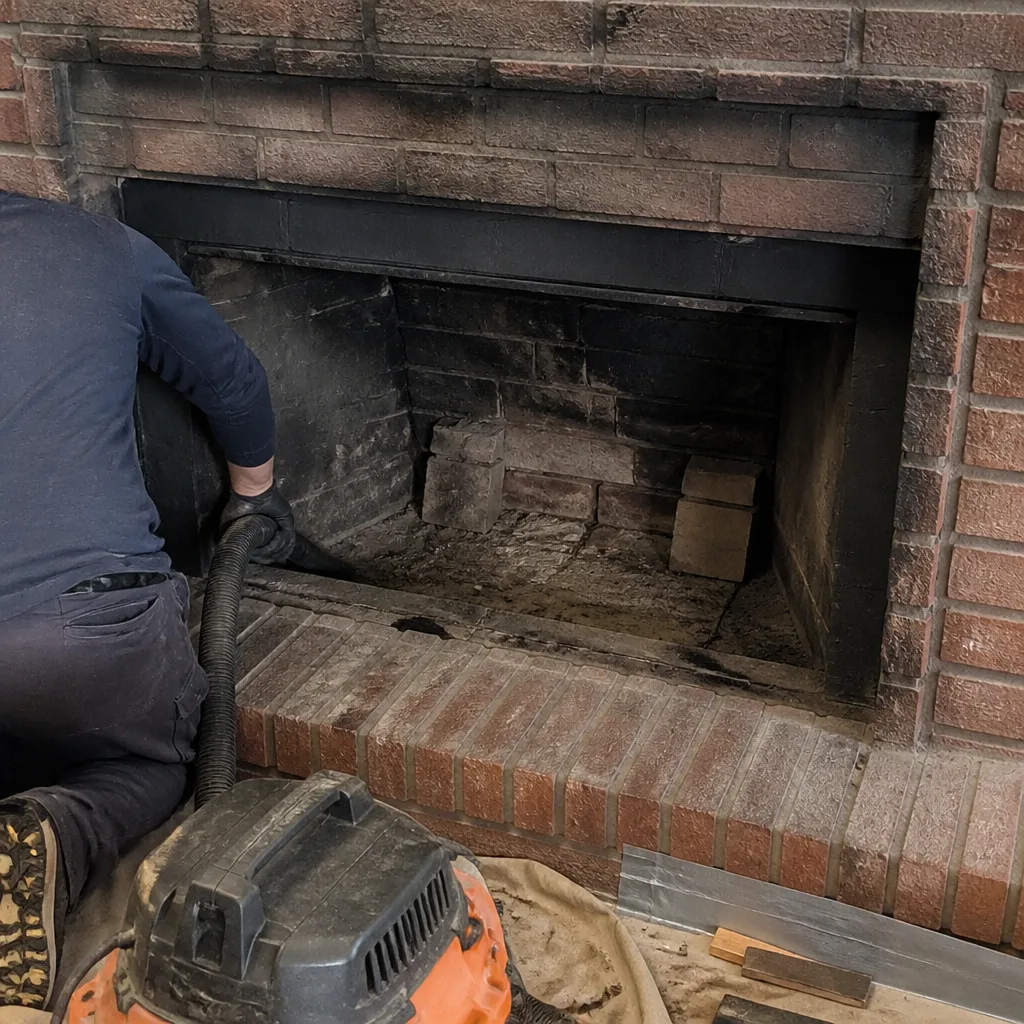 Before
 After
 Before
 After
When to Call a Professional
Call a professional when the chimney’s history is unknown, when there’s any sign of a crack or a fire, when the flue is glazed or badly blocked, or when a prefab component looks warped or separated. Those are the cases where the inspection is the job, and a brush in the hands of a homeowner can’t substitute for it. Call sooner rather than later if you’re heading into burning season with a flue that hasn’t been looked at in years. Chimney Sweep Laguna Hills offers free estimates in Laguna Hills – call (855) 726-8035. We answer 24/7. Fast dispatch from 7am to 7pm, Sunday through Friday. The written estimate sets the final price, and the inspection findings are yours to keep, photos included.
Frequently Asked Questions
Yes, if your flue has been professionally inspected recently and you’re only clearing light soot between visits. What you can’t do yourself is the inspection, and that’s the part that prevents fires. If the flue’s history is unknown, start with a professional inspection rather than a brush. Call (855) 726-8035 for an exact quote – estimates are free.
Sweeping removes soot and creosote; inspecting evaluates the structure of the flue, smoke chamber, damper, crown, and cap, usually with a camera and strong light. Both matter, and the inspection is the one that catches cracks and separations a brush passes over. A proper sweep includes the inspection for exactly that reason. Call (855) 726-8035 to book one.
Most homes benefit from a sweep and inspection once a year, and more often if you burn a lot or use your fireplace as a primary heat source. The right interval for your Laguna Hills home depends on how much you burn and what the inspection finds. Getting it done before burning season is the practical timing. Call (855) 726-8035 to schedule and the estimate is free.
That depends on your carrier and your policy, and we can’t speak for either. What we can say is that a professional inspection leaves a documented record of what was found and done, which supports you if there’s ever a claim. A self-brushed chimney leaves no such record. Call (855) 726-8035 to talk through what an inspection would cover.
A cracked smoke chamber or separated flue tile lets heat reach areas it shouldn’t, and that’s a fire risk even if the flue looks clean. Creosote glaze that survives brushing is the fuel. Skipping the inspection doesn’t cause the problem; it just means you don’t know it’s there. Call (855) 726-8035 for an inspection – the estimate is free.
Yes, for routine tasks between professional evaluations: clearing ash, checking the damper and firebox, and a visual check of the cap from the ground. Brushing between visits is reasonable if the flue was recently inspected. Roof access, glaze removal, and any heat-related repair are the tasks to hand off. Call (855) 726-8035 when it’s time for the professional inspection.
The Bottom Line
The DIY question in Laguna Hills isn’t really about whether you can run a brush through a flue. Most careful homeowners can. It’s about whether the inspection that must accompany that cleaning will catch what an unchecked flue is hiding, and a brush on its own won’t do that. Soot removal is a maintenance task; structural evaluation is a professional one. If your chimney has a known inspection history, own the routine brushing between visits and let a professional do the annual inspection. If the history is unknown, start with an inspection, see the evidence for yourself, and decide from there what needs doing now and what can wait. That’s the honest version of the decision.
One call covers the full chimney system, from sweep and inspection to caps, crowns, and repair. If you’re due for a look, book a sweep and inspection, and you’ll come away knowing exactly what your chimney needs. Our fireplace repair team can handle anything the inspection turns up in the firebox itself. For the broader picture of how we work, Chimney Sweep Laguna Hills is the place to start.
Call (855) 726-8035 for a free estimate. We answer 24/7. Fast dispatch from 7am to 7pm, Sunday through Friday. The written estimate sets the final price, and nothing is recommended without camera evidence you can see for yourself.
Written by the team at Chimney Sweep Laguna Hills.