
Last updated November 25, 2026
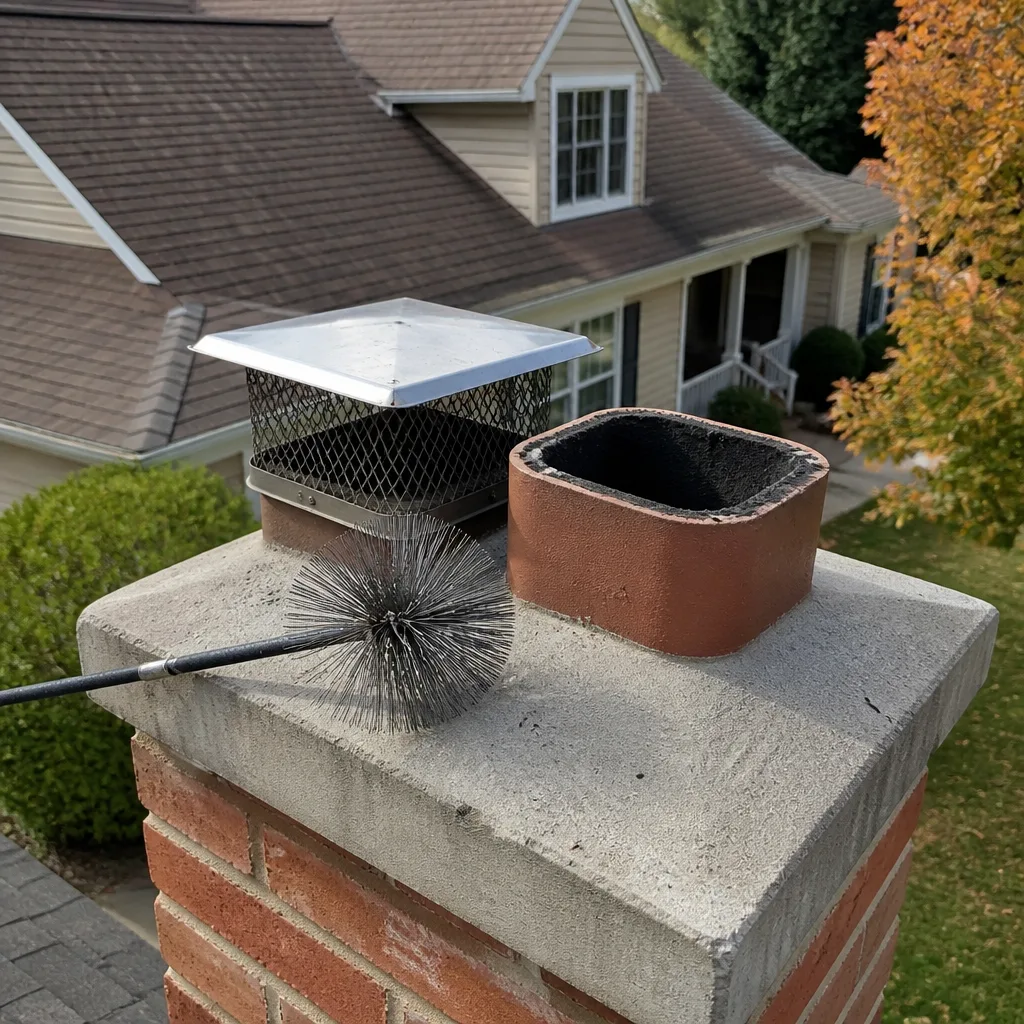 Sweep & inspection
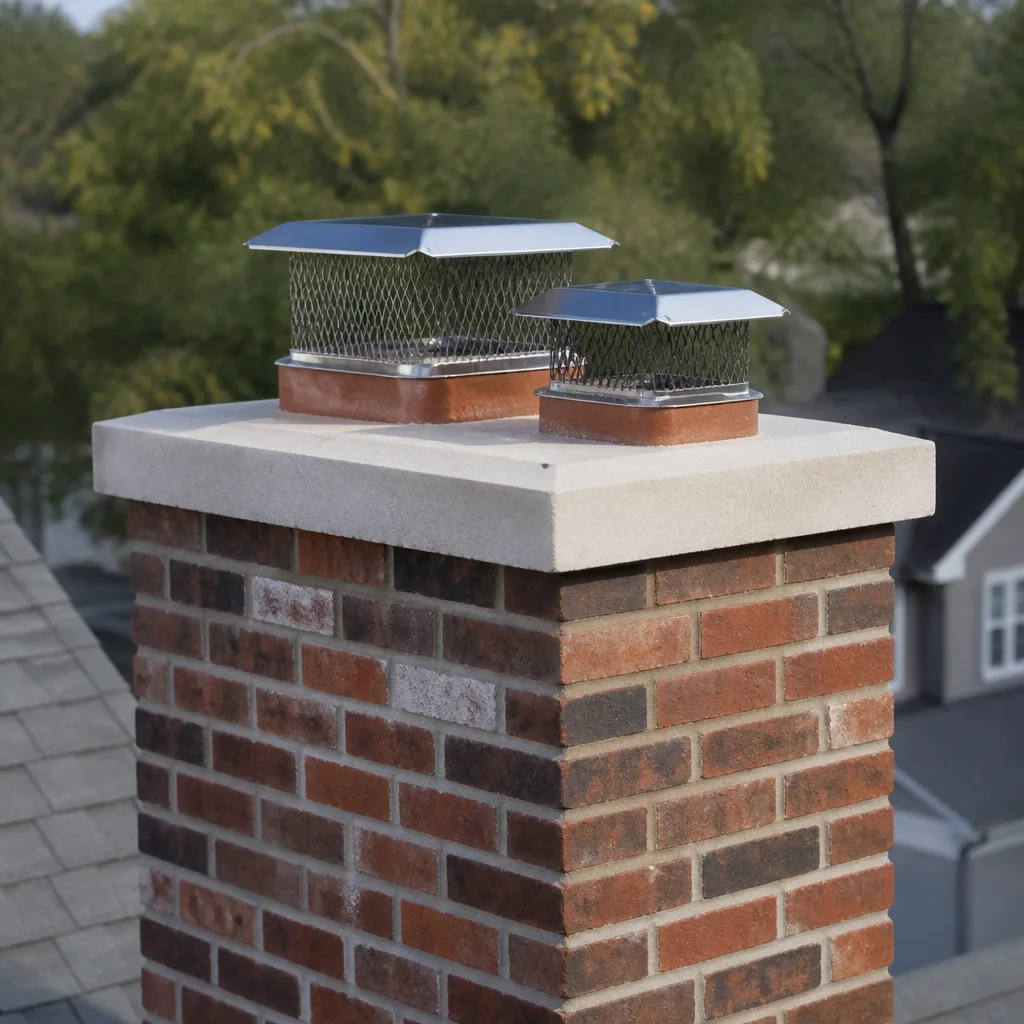 Caps & crowns
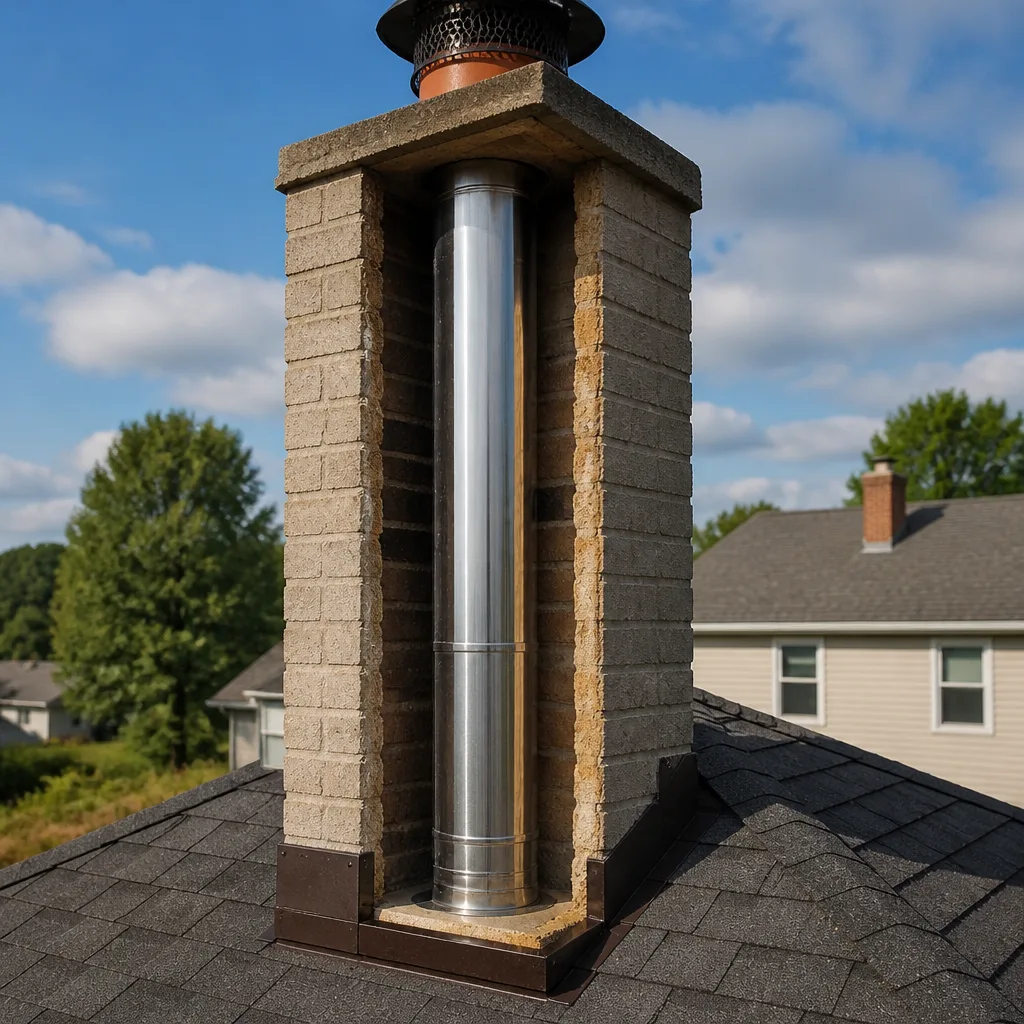 Flue relining
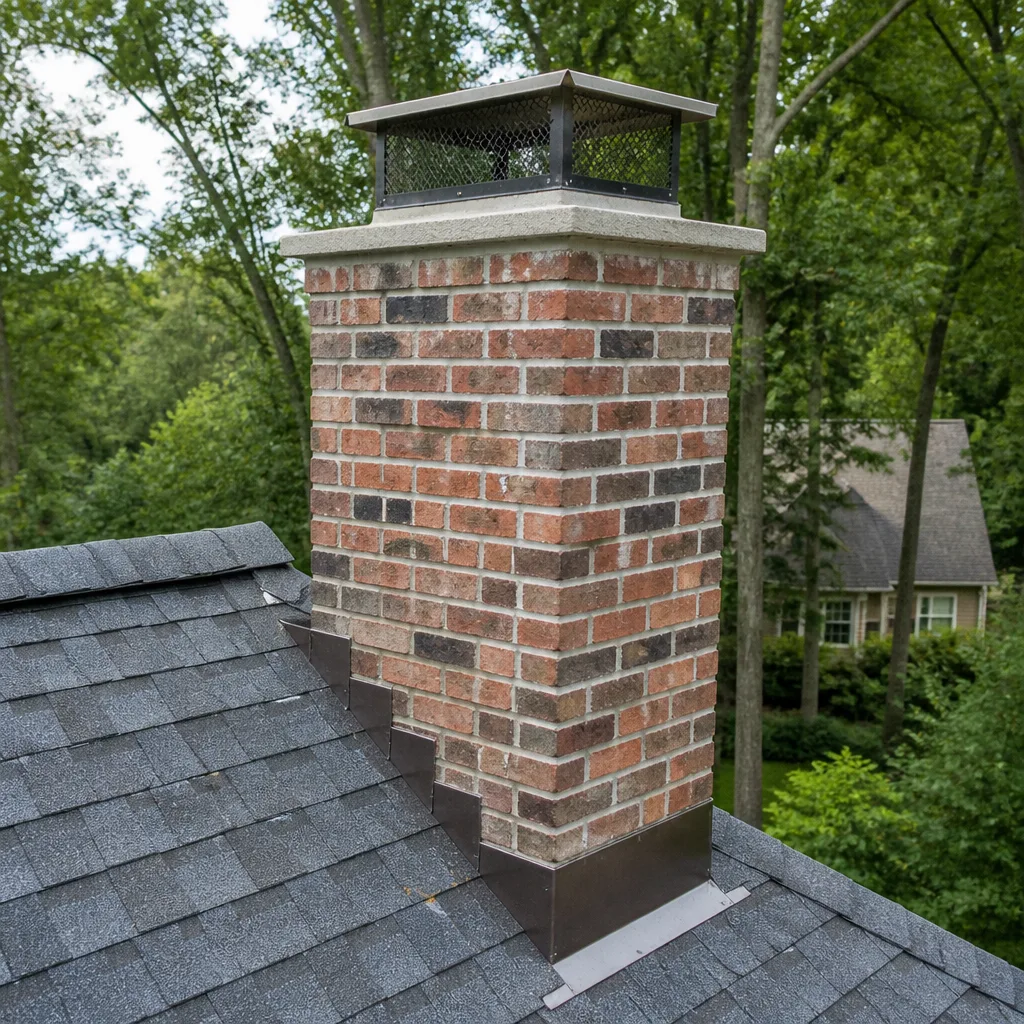 Masonry repair
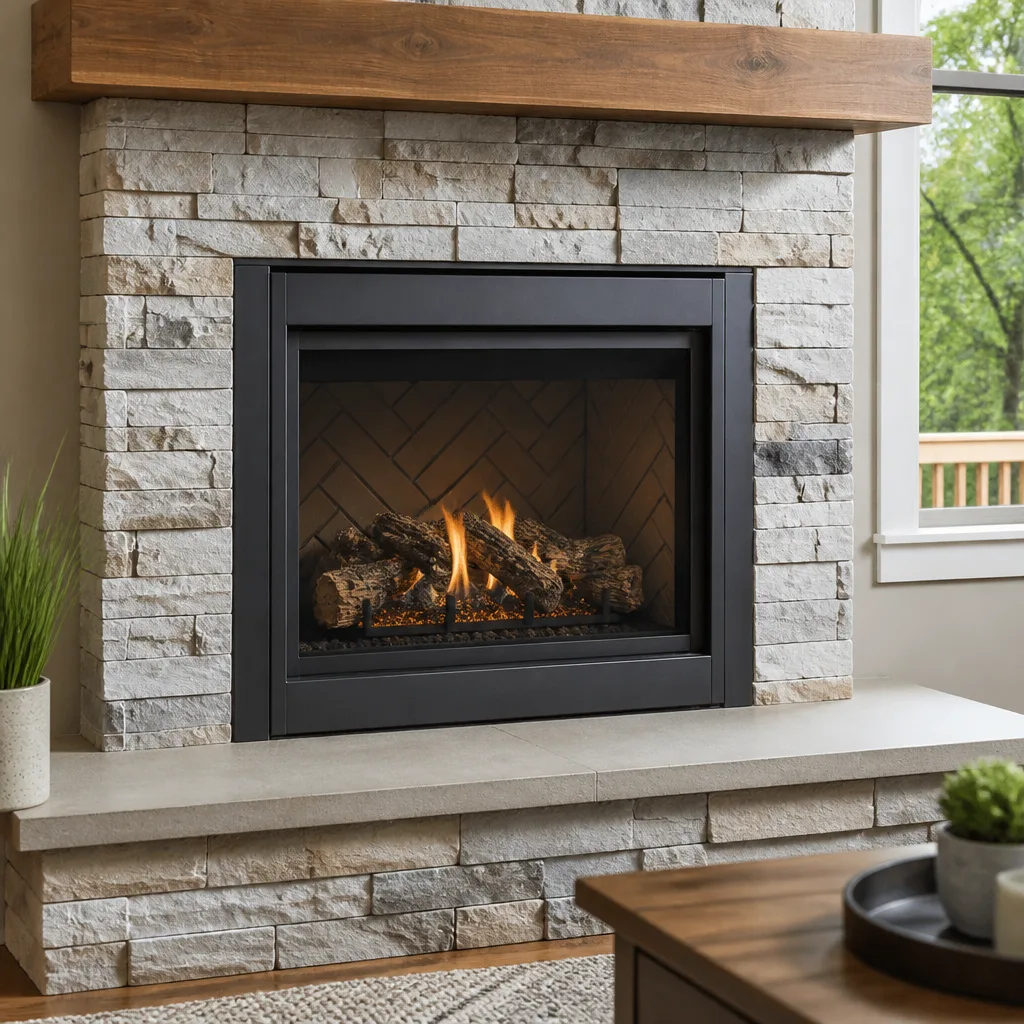 Gas fireplace service
Level 1 sweep and inspection to the NFPA 211 annual standard - flue, crown, cap, and flashing checked and photographed
Chimney sweep logs do not sweep chimneys. They loosen some creosote - which then falls where a brush and vacuum still have to collect it.
The Complete Guide to Chimney Cleaning in Laguna Hills
Most homeowners in Laguna Hills assume a chimney that gets used a dozen nights a year doesn’t need much attention. The fire only runs on the cold evenings, the smoke goes up and out, and nothing about that short season seems to demand a professional visit. Here’s the part that catches people off guard: creosote doesn’t wait for heavy use. It builds from the very first fire and then sits in a cool, humid flue for months, glazing and hardening while the fireplace stays dark. A single season of light burning can leave a deposit that stiffens into something a brush won’t easily move. This guide maps out what a real cleaning involves in Laguna Hills, why the climate and housing stock here shape the work, and how to tell a proper inspection report from a receipt that tells you nothing.
Styles & brands we work with
- Sweep & inspection
- Caps & crowns
- Flue relining
- Masonry repair
- Gas fireplace service
Quick Answer
Chimney cleaning in Laguna Hills is a professional sweep of the flue, firebox, smoke chamber, and damper, paired with an inspection that documents what was found and what, if anything, needs repair. The National Fire Protection Association recommends an annual inspection and cleaning when deposits reach about 1/8 inch. For most homes here burning a limited seasonal schedule, that means one visit a year is the right baseline, adjusted upward if you burn more or notice draft problems.
Table of Contents
- Why Chimney Cleaning in Laguna Hills Isn’t a Generic Service
- What Actually Happens During a Professional Cleaning
- How Creosote Forms and Why Mild Burn Seasons Complicate It
- Level 1, 2, and 3 Inspections Explained
- What a Written Inspection Report Should Document
- Stucco and Adobe Chimney Exteriors: The Hidden Problem
- Reading CSIA Standards Against California Title 19
- How Often Should You Schedule a Cleaning?
- Common Mistakes to Avoid
- When to Call a Professional
- Frequently Asked Questions
- The Bottom Line
Why Chimney Cleaning in Laguna Hills Isn’t a Generic Service
A chimney in a cold, heavily heated climate runs hard and dirty for half the year. A chimney in Laguna Hills runs light and then sits. Those are different operating conditions, and they produce different failure modes. A sweep who cleans one style of chimney all year and then shows up here will likely miss both the light-use creosote behavior and the exterior wear that this area’s housing stock tends to develop.
Laguna Hills sits inland enough that nights cool off and fireplaces get real use, but the burn season is short and the air holds moisture. The typical home here heats mostly with other systems and lights the fireplace for atmosphere or for the cooler winter evenings. That pattern means the flue sees long idle stretches between fires. Idle time is when deposits settle and stiffen. It’s also when a slightly open damper or a missing cap lets humid air move through the flue day after day.
The housing stock matters just as much. A large share of Laguna Hills homes carry stucco or adobe-style chimney exteriors, the masonry smooth on the outside and easy to overlook. That smooth face hides mortar joints that can soften and erode from moisture working in through the crown and brickwork, sometimes without any obvious sign from ground level. A cleaning visit that only touches the inside of the flue misses half the system.
We’ve learned to treat a Laguna Hills cleaning as two jobs in one: the flue sweep itself, and a careful read of the whole system from crown to firebox. Our technicians have up to 15 years of experience, and the approach here is to show you what we find rather than hand you a list of recommendations you can’t verify. You can see the camera footage. You can see the mortar. That’s the standard we hold the work to.
What Actually Happens During a Professional Cleaning
A proper chimney sweep is a controlled, methodical process, not a quick pass with a brush. Here’s how a full cleaning runs when it’s done correctly.
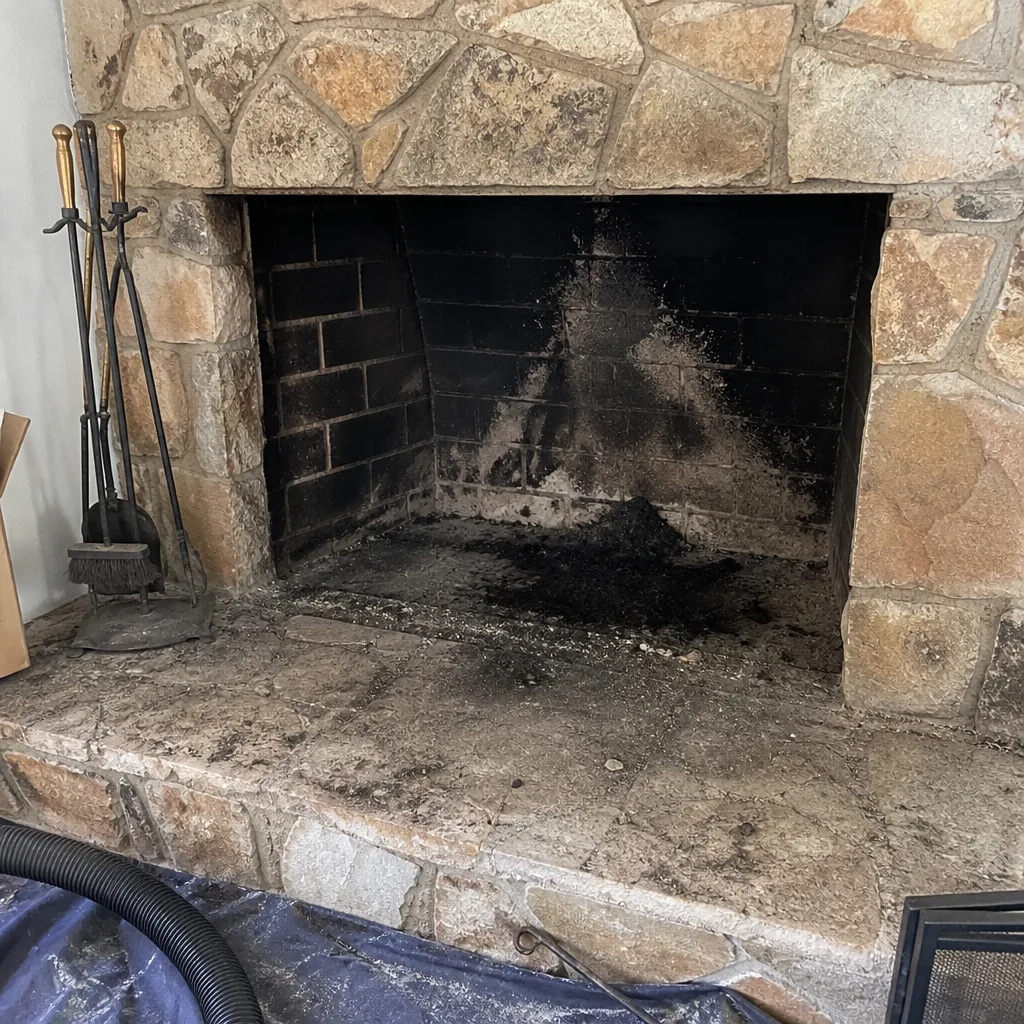
- Setup and containment. Drop cloths go down over the hearth and surrounding floor, and a high-powered vacuum with HEPA filtration runs for the whole job to capture fine ash and soot. A well-set-up sweep leaves no dust behind.
- Firebox and damper check. The sweep clears the firebox, inspects the damper for smooth operation, and looks at the firebrick and mortar for cracks or gaps before moving up the flue.
- Flue sweep. The technician runs the appropriate brush or rotary tool up the flue, matched to the liner material and flue shape. Stiff poly brushes suit clay tile liners; softer tools suit stainless flexible liners. Getting this wrong can score a liner surface.
- Smoke chamber and smoke shelf. This curved area above the damper traps soot and is a frequent source of draft problems. It gets swept separately because the flue brush won’t reach it.
- Camera inspection. A camera run through the flue shows the liner’s interior condition, joint integrity, and any cracks or gaps that a surface look would miss. This is the piece that changes conclusions.
- Exterior and cap check. The technician inspects the cap, crown, flashing, and visible masonry from the roofline, looking for clogged screens, cracked crowns, and soft mortar.
- Written report and cleanup. You get the findings in writing, with photos where they help, and a clear explanation of what needs attention and what can wait.
That last step is the difference between a sweep and a sales visit. A cleaning should tell you the state of your system in plain terms. If nothing needs doing, the report says so. You can read more about how our chimney sweep visits are run and what to expect on the day.
How Creosote Forms and Why Mild Burn Seasons Complicate It
Creosote is the residue left when wood smoke cools before it exits the chimney. It starts as a light, flaky soot and hardens through three recognizable stages. The mild, short burn season that’s typical in Laguna Hills speeds up the transition between those stages in a way that heavier-use climates don’t always see.
- Stage 1: Sooty, flaky deposit. Soft and brushable. This is what most fires produce early in the season and what a standard sweep easily removes.
- Stage 2: Hard, crusty deposit. Forms when stage 1 sits in a cool, humid flue and absorbs moisture. It bonds to the liner and needs more than a light brush pass.
- Stage 3: Glazed, glassy deposit. The hardest form, fired onto the liner surface. It takes specialized tools and, in some cases, professional chemical treatment.
Here’s the mechanism that catches people. A fireplace that runs a dozen nights a year doesn’t burn hot enough or long enough to keep the flue warm between fires. When it’s cold, the smoke cools fast and deposits close to the top of the firebox. Then the fireplace sits idle and the humidity has weeks to work on that deposit. Stage 1 creosote stiffens into stage 2 over the course of a single cool, damp stretch. By the second season of light burning, you can have a hardened layer that a generic quick-clean won’t touch.
This is why “I hardly use it” is not a reason to skip the annual visit. It’s actually a reason to keep the schedule, because the less you burn, the more time the deposits have to harden between fires.
Level 1, 2, and 3 Inspections Explained
The NFPA defines three inspection levels, and they exist because different situations call for different depth of access and tooling. Knowing which one you need, and which one a company is actually performing, keeps you from paying for the wrong thing or missing a real problem.
Level 1 Inspection
A visual inspection of readily accessible portions of the chimney and venting system, without tools that require access panels or a camera. It’s appropriate when conditions haven’t changed since the last inspection and the system is being maintained on a regular schedule. For a typical Laguna Hills homeowner on an annual cleaning, a Level 1 inspection during the visit covers the basic state of the system.
Level 2 Inspection
A more thorough inspection that includes a camera scan of the flue, access to attics or crawl spaces where the chimney passes through, and inspection of connections. The NFPA recommends a Level 2 inspection whenever there’s been a change to the system: a new appliance, a different fuel, a chimney fire, a structural change to the home, or a property sale. It’s also the right call when a Level 1 turns up something that needs a closer look. If there’s any question about liner integrity, this is the level that answers it.
Level 3 Inspection
The deepest level, which involves removing parts of the building or chimney to access concealed sections. It’s reserved for cases where a serious hazard is suspected or confirmed and can’t be evaluated any other way. For most homes, it’s only needed after a known chimney fire, a major structural concern, or a Level 2 finding that requires direct access to resolve.
For a typical Laguna Hills seasonal burn pattern with an annual maintenance schedule and no history of fire, a Level 1 during the cleaning is generally the baseline, and a Level 2 is the sensible choice any year there’s been a change or a concern. In our experience, homeowners are better served when the level of inspection is named up front so they know what’s being checked. A camera scan and photo report included with the visit is how we make that concrete. If a liner question comes up, our chimney repair team can take the next step from there.
What a Written Inspection Report Should Document
A written report is the whole product of an inspection. Without one, you have a verbal summary you’ll forget by the time the technician leaves. A thorough report documents the findings so you can make decisions later, compare a second opinion, or hand it to a future buyer. Here’s what it should include.
- Date and inspection level. Which of the three NFPA levels was performed and why.
- Access and method. What was inspected from where, and whether a camera was used.
- Flue condition. Liner type, interior condition, joint integrity, and any cracks or gaps observed, with photos where they clarify.
- Creosote assessment. The stage or degree of deposit observed, not just “some buildup.”
- Firebox and damper. Condition of the firebrick, mortar joints, and damper operation.
- Exterior and rooftop. Cap, crown, flashing, and visible masonry condition.
- Recommendations with priority. What should be addressed now, what can wait, and what to watch over the next season.
What a “quick clean” receipt leaves out tends to be everything except the date and a total. No inspection level, no camera findings, no exterior notes, no priority on the recommendations. If all you get is a receipt that says the chimney was cleaned, you can’t tell whether the liner was ever checked. That’s the gap a proper report closes. Built to last means documented, not just done.
Stucco and Adobe Chimney Exteriors: The Hidden Problem
The stucco and adobe-style chimney exteriors common on Laguna Hills homes have a real advantage: they weather the outside air well and look solid for years. They also make it easy to miss mortar deterioration, because the smooth face gives no obvious warning. The problem hides underneath.
Water is the main enemy of any masonry chimney. It gets in at the crown, at the flashing where the chimney meets the roof, and at hairline cracks in the stucco itself. Once moisture is inside the masonry, it can soften the mortar joints that hold the brick or block together, and it can spall the stucco from the inside out. From the ground, the chimney still looks fine. Up close, the mortar may be crumbling and the brick face may be flaking. A cleaning visit that never leaves the firebox will never see it.
This is why a proper Laguna Hills cleaning includes a rooftop look at the exterior, not just the flue. The crown is the concrete or masonry cap at the top that sheds water away from the chimney body. A cracked crown lets water in with every rain, and the damage spreads downward. A cap, the separate metal or mesh cover over the flue opening, keeps rain, animals, and debris out of the flue itself. Both get checked, and both are worth fixing when they fail.
When we find crown or cap problems, we use Gelco and Famco components, products engineered for draft performance and weather exclusion rather than generic covers. The right cap fits the flue properly and keeps the draft working; the wrong one restricts airflow or lets water in. Resurfacing or rebuilding a crown is a repair, not a patch, and it’s the kind of work that stops a slow problem from becoming a structural one. You can read more about our chimney repair work if the exterior inspection turns up something that needs attention.
Reading CSIA Standards Against California Title 19
Two frameworks govern chimney work in California, and understanding how they fit together helps you evaluate what a sweep tells you. The CSIA (Chimney Safety Institute of America) publishes national standards for sweeping and inspection practice. California’s Title 19 covers fire safety and, in the sections relevant to residential chimneys, addresses venting, clearance, and the safe operation of solid-fuel appliances. The CSIA standards describe how the work should be done; Title 19 sets the legal fire-safety baseline the work has to meet.
In practice, the two overlap on the points that matter most to a homeowner:
- Clearance from combustibles. The chimney must maintain proper clearance from framing and other combustible materials. A sweep should note visible clearance issues in the report.
- Liner integrity. A cracked or deteriorated liner is a fire and carbon monoxide pathway. Both frameworks require the flue to contain the products of combustion.
- Venting and draft. The system has to vent correctly for the appliance it serves, and a cap or crown that restricts draft undermines that.
- Inspection documentation. The CSIA standards call for the findings to be recorded, which is why the written report isn’t optional in a proper job.
Where the frameworks diverge is in emphasis: Title 19 is a legal floor written for fire-safety enforcement, and the CSIA standards go further into best practice for the trade. A sweep who works to the CSIA standards will generally exceed what Title 19 requires, which is the right direction to be off in. If you’re evaluating a company, ask whether they inspect to CSIA standards and whether their report references California requirements where relevant. The answer tells you whether they’re working to a documented standard or just a routine.
How Often Should You Schedule a Cleaning?
The NFPA recommendation is an annual inspection, with cleaning when deposits reach about 1/8 inch. For most Laguna Hills homes, that translates to one cleaning a year as a baseline. But the schedule depends on how you use the fireplace, and the variables are worth spelling out.
- Annual cleaning if you burn at all. Even a dozen nights a year leaves a stage-1 deposit that hardens over the damp stretches. Once a year keeps the flue from ever getting ahead of you.
- Twice a year if you burn regularly through the season. Homes that run the fireplace most cool evenings build deposits faster and should split the schedule before and after the burn season.
- After any chimney fire, no matter how small. A chimney fire can damage a liner in ways you can’t see from the firebox. A cleaning and a Level 2 inspection are the right response.
- After a change to the system. A new appliance, a fuel change, or a structural change to the home calls for a Level 2 inspection per NFPA guidance.
- Before you buy or sell a home. A Level 2 inspection belongs in any property transaction, since a new owner is taking on a system they haven’t seen operate.
For most Laguna Hills homes, the simple answer is once a year, plus any time the system changes or something feels off. If you’re unsure whether you’re due, a cleaning visit that includes a camera inspection and photo report will tell you exactly where the flue stands.
Common Mistakes to Avoid
- Skipping the visit because you “hardly use it.” Light use is exactly the pattern that lets stage-1 creosote harden into stage 2 between fires. The less you burn, the more time the deposits have to stiffen.
- Accepting a receipt with no inspection findings. A receipt that says “cleaned” tells you nothing about the liner, the crown, or the exterior masonry. Ask for the written report before the technician leaves.
- Letting a stucco exterior go unchecked. Smooth stucco and adobe finishes hide mortar deterioration underneath. A cleaning that never inspects the crown, flashing, and visible masonry misses a problem that’s cheap to fix early and expensive to fix late.
- Hiring a general handyman for chimney work. Chimney sweeping and inspection are a specialty, and the tools, standards, and inspection levels aren’t part of general home repair. The right company works to CSIA standards and documents what it finds.
- Choosing a cap for looks instead of draft. A cap that’s sized or shaped wrong restricts airflow and causes smoke to back up into the room. Cap and crown components need to be engineered for draft performance, not picked from a shelf based on appearance.
- Assuming the level of inspection is the same everywhere. A Level 1, 2, and 3 inspection answer different questions. If a company never names the level it’s performing, you can’t know what was actually checked.
- Putting off a repair the report says can wait. The other side of the same coin: a good report tells you what can safely wait, and a homeowner who misreads “monitor” as “ignore” ends up with a bigger repair a season later.
When to Call a Professional
Some chimney situations call for a professional visit sooner than the annual schedule. Call us when you smell smoke in the room when the fireplace is running, or when smoke backs up into the house instead of drafting up the flue. Call when you notice a strong creosote odor even with the fireplace cold, when the damper won’t open or close smoothly, or when you see cracks or gaps in the firebox brick or mortar. Call after any chimney fire, even a small one that seemed to burn out on its own. Call if you’ve never had the chimney inspected, or if you can’t remember the last cleaning. And call before you buy or sell a home, so a Level 2 inspection goes with the transaction. High-tension components and open flames aren’t a DIY area; a trained professional should handle the flue and the firebox. Chimney Sweep Laguna Hills offers free estimates in Laguna Hills. Call (855) 726-8035. We answer 24/7. Fast dispatch from 7am to 7pm, Sunday through Friday.
Frequently Asked Questions
Chimney cleaning in Laguna Hills is priced per job based on the flue configuration, the amount of deposit, and whether repair work is involved, so the written estimate sets the final price. You’ll get a flat-price quote agreed before any booking, not a number that shifts once the technician is on the roof. A camera inspection and photo report are included with the visit so you can see the findings for yourself. Call (855) 726-8035 for an exact quote. Estimates are free.
Yes. Light use is the pattern that lets creosote harden fastest, because the flue stays cool and humid between fires and stage-1 deposits stiffen into stage 2 over a single damp stretch. A dozen nights a year is still enough to need an annual visit in Laguna Hills. Call (855) 726-8035 to get on the schedule.
Once a year is the baseline recommended by the NFPA for most homes, with cleaning when deposits reach about 1/8 inch. Homes that burn regularly through the season should split the schedule before and after the burn season. Any chimney fire or change to the system calls for a Level 2 inspection regardless of the calendar. Call (855) 726-8035 for an exact quote, and estimates are free.
Creosote builds up in layers, and glazed stage-3 creosote is a fire risk because it can ignite inside the flue. A blocked or narrowed flue also reduces draft, which can push carbon monoxide and smoke back into the living space instead of up and out. Skipping a cleaning doesn’t cause a problem on a schedule, but the risk grows with every season of buildup. Call (855) 726-8035 to have the flue checked.
The short, mild burn season and humid air here let creosote stiffen between fires, and the stucco and adobe exteriors common on Laguna Hills homes hide mortar deterioration that a firebox-only cleaning never sees. A proper visit here covers both the flue and the exterior, with a rooftop look at the crown, cap, and visible masonry. Call (855) 726-8035 for an exact quote.
A Level 1 is a visual check of accessible parts, a Level 2 adds a camera scan of the flue and access to concealed sections where the chimney passes through the home, and a Level 3 involves removing building material to reach a suspected hazard. The NFPA recommends a Level 2 whenever the system has changed, after a chimney fire, or during a property sale. Most annual Laguna Hills visits include a Level 1 with camera inspection, moving to a Level 2 when there’s a concern. Call (855) 726-8035. We answer 24/7. Fast dispatch from 7am to 7pm, Sunday through Friday.
The Bottom Line
Chimney cleaning in Laguna Hills rewards a specific approach: annual sweeping that accounts for the light-use creosote pattern, an inspection that names its level, a camera scan and photo report you can see for yourself, and a rooftop check of the stucco exterior that hides mortar problems. The NFPA annual standard and the CSIA and Title 19 frameworks give you a yardstick for what a real visit should include. A report that documents findings, not just a receipt that says “cleaned,” is what you’re paying for. If a recommendation comes up, nothing is done without camera evidence you can review, and we’ll tell you plainly when work can safely wait. We stock professional-grade components from HeatShield, Olympia Chimney, and the other trade brands so repairs are built to last rather than patched to pass. Our technicians have up to 15 years of experience, and one call covers the full chimney system. Call (855) 726-8035 for a free estimate. We answer 24/7. Fast dispatch from 7am to 7pm, Sunday through Friday.
Written by the team at Chimney Sweep Laguna Hills.
See the difference
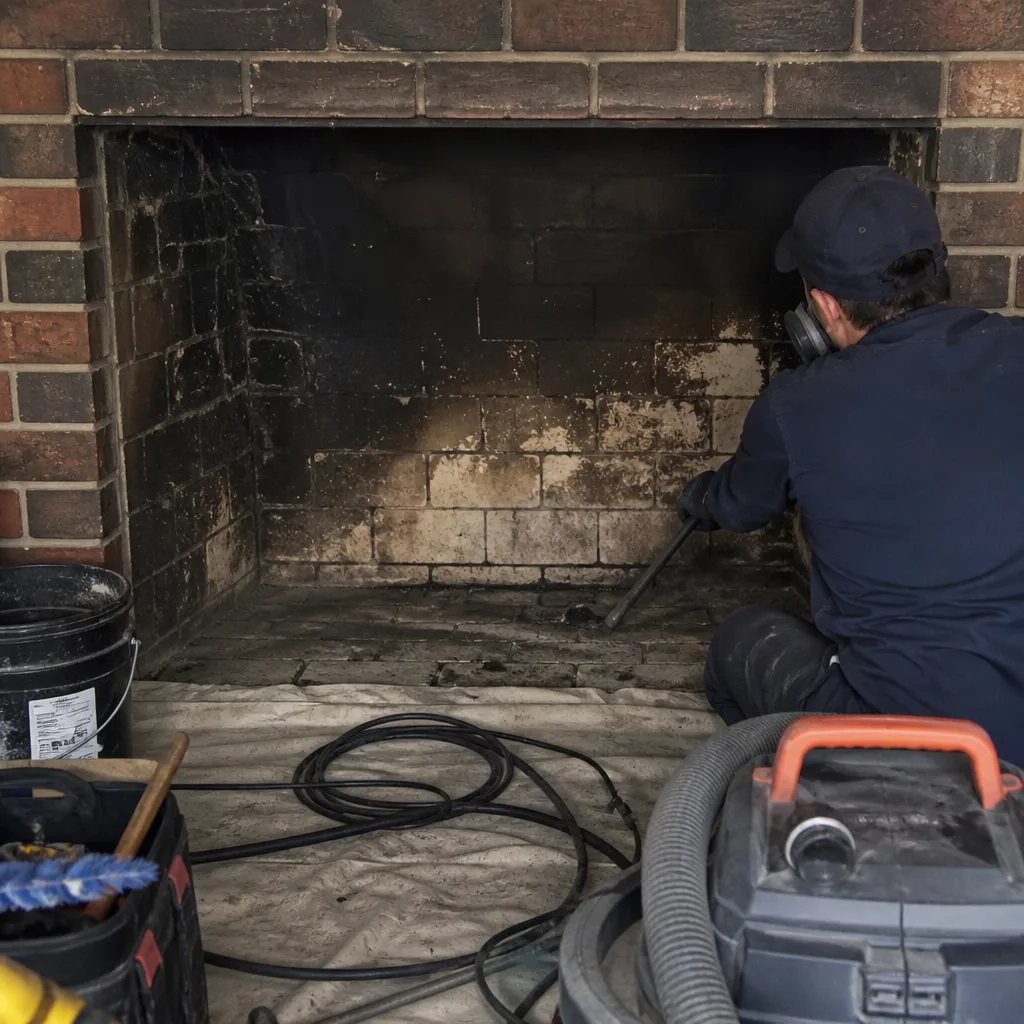 Before
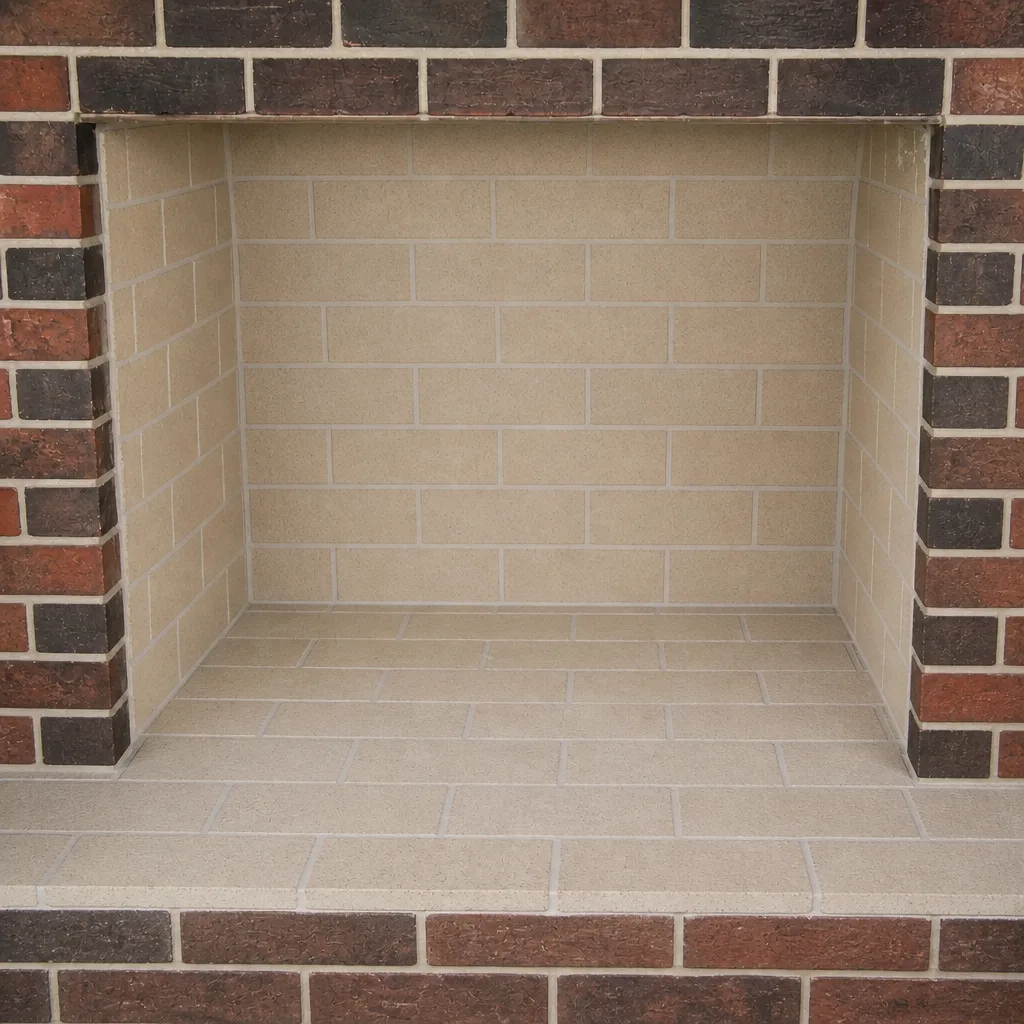 After
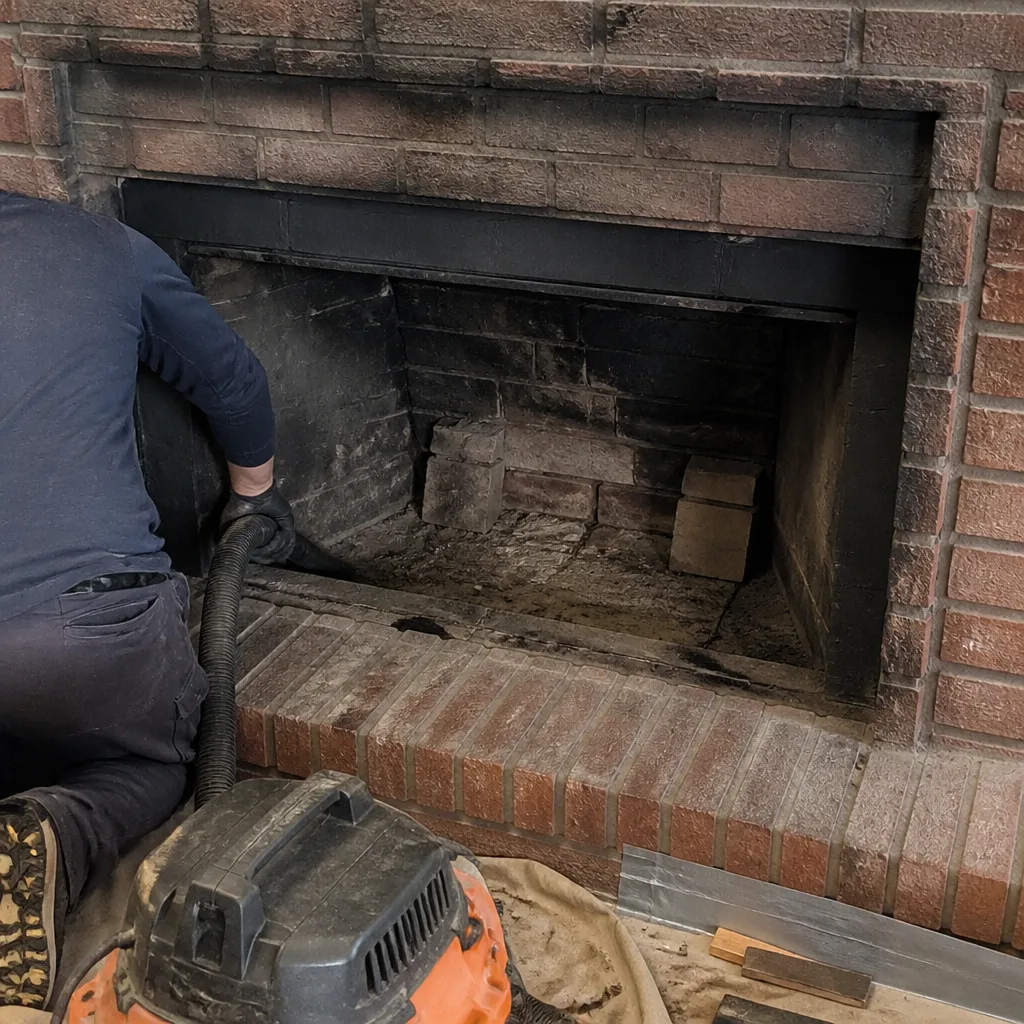 Before
 After
 Before
 After