
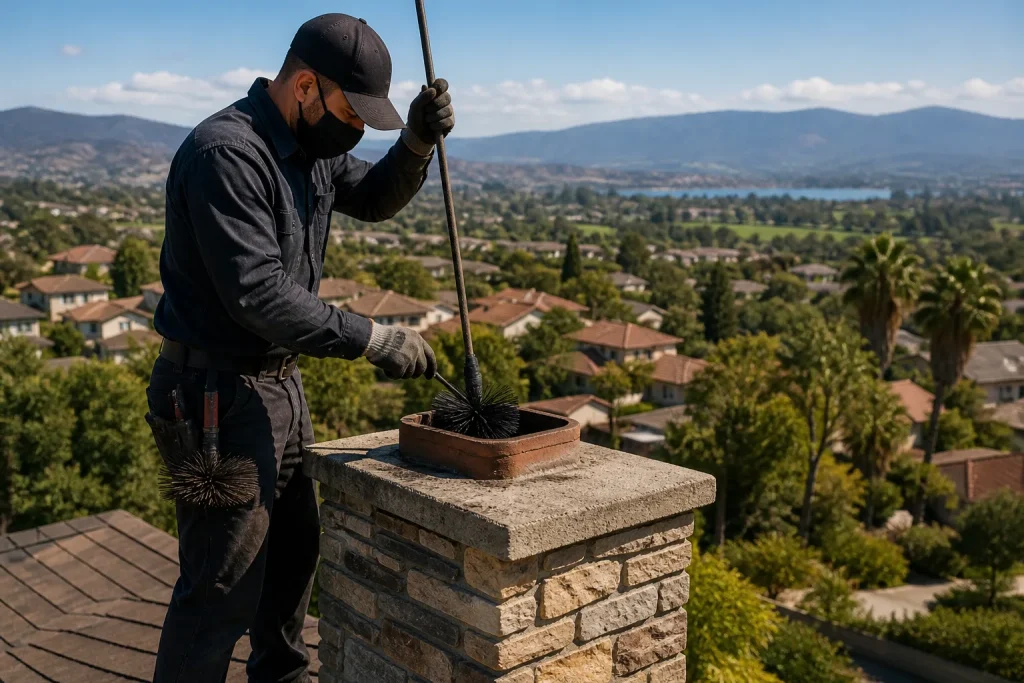
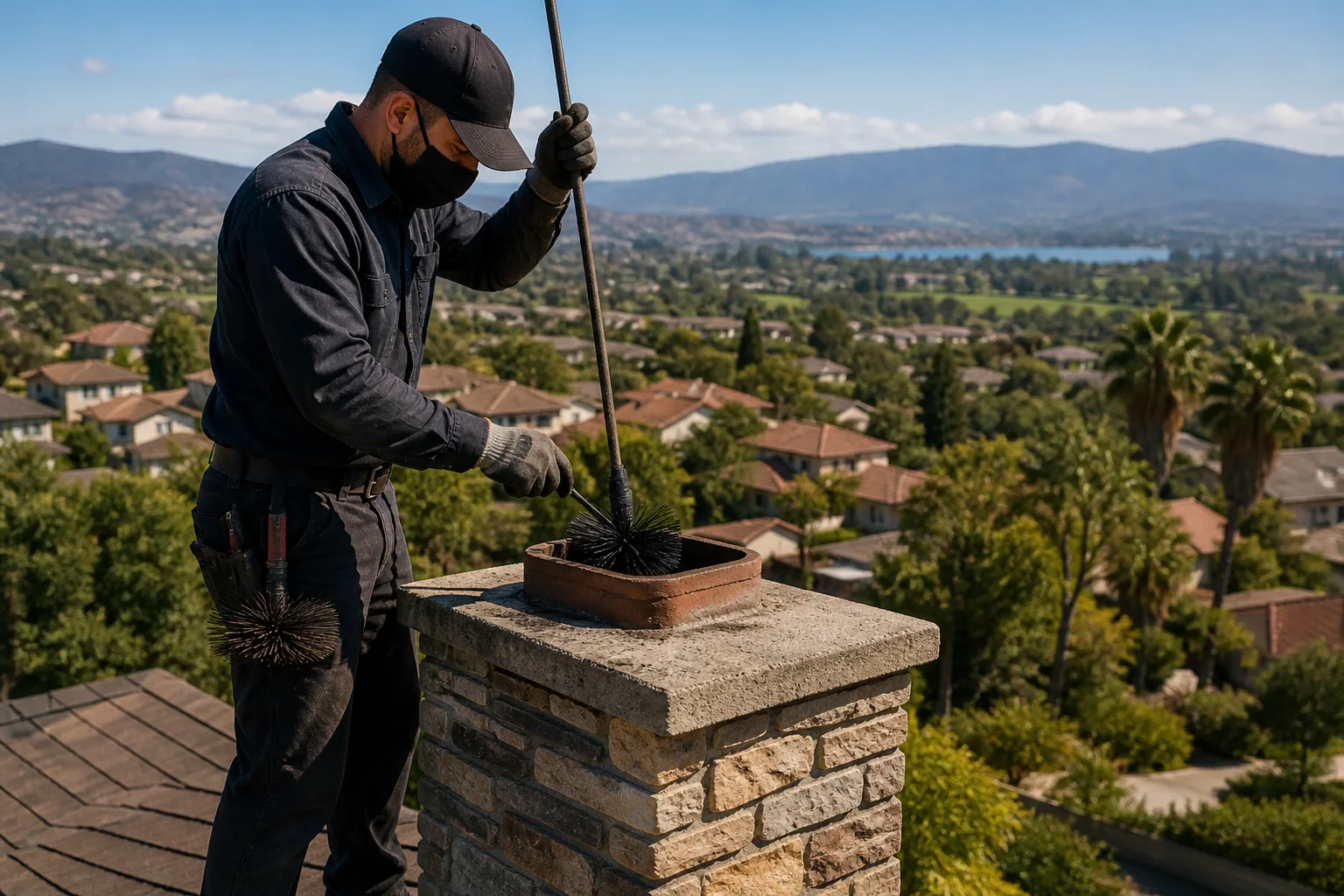
How to Choose the Right Chimney Cleaning Company in Laguna Hills
Most people pick a chimney company by phone-book reflex: closest name, lowest quote, done. Then the “sweep” finishes in twenty minutes, hands over a stack of part numbers you’ll need to source yourself, and leaves your fireplace in the same shape it started. CSIA certification is the floor, not the ceiling. A certified technician who doesn’t stock professional-grade components turns one inspection into two projects. If you’d rather not sort through the fine print yourself, call (855) 726-8035 and we’ll walk you through what a real visit looks like.
Key Takeaways
- CSIA certification covers the sweep and inspection. NFI certification covers the fireplace appliance itself. They are not the same credential.
- A Level II inspection without a closed-circuit camera is a visual check with a fancier name.
- Ask what brands a company stocks. If the answer is “whatever the supplier has,” you’re looking at patch work, not repair.
- A good inspection report names parts, measurements, and conditions – vague language protects the company, not you.
What Do the Different Chimney Certifications Actually Mean?
CSIA certification means the technician has passed a written and practical exam on sweeping, inspection, and venting, and holds current industry training. It qualifies them to sweep and assess a chimney. NFI certification is a separate track – it covers the fireplace and venting appliance itself, including gas and wood units. Uncredentialed sweeps can brush a flue, but they can’t legally or credibly certify the condition of your system.
Here’s the distinction that matters in a Laguna Hills home. A CSIA-certified sweep can tell you the flue is clear and the liner is sound. An NFI-certified technician can also assess whether your prefab firebox is installed to spec, whether the damper seals properly, and whether the appliance itself is rated for the fuel you’re burning. We’ve seen plenty of homes where the flue was fine but the firebox had a cracked refractory panel nobody caught – because nobody looked at the appliance, only the pipe.
What to ask on the phone:
- “Are your technicians CSIA-certified, NFI-certified, or both?” Vague answers (“we’re fully trained”) are a red flag.
- “Who signs the inspection report, and what are their credentials?” The name on the report should mean something.
- “Can you issue a Level II report on a prefab unit?” If they hesitate, they don’t work on your system type.
One more note: certification is a starting point, not an ending. A certified sweep who shows up without a flashlight and a camera has credentials they aren’t using. In our experience, the certification tells you what they’re allowed to assess – the equipment and the report tell you what they actually did.
Why Does a Company’s Parts Inventory Matter?
A sweep with a brush and a shop vac can clear a flue. A sweep with a stocked parts catalog can fix what’s wrong with it. That difference shows up the moment a cap is cracked, a damper is seized, or a liner section has failed – and the first company’s response is to hand you a list and wish you luck.
The brands a company works with tell you what tier of repair they do. Gelco caps and Famco components are engineered for draft performance and weather exclusion, not sold as generic covers. Olympia Chimney and Copperfield parts meet professional installation standards. Companies that carry these products are set up for permanent repairs rather than a season of tape and hope.
Ask three questions about parts:
- “What brands do you stock, and which ones do you install on a typical job?” If the answer is “we order what’s needed,” find out the lead time.
- “If my cap needs replacing, can you do it on the same visit?” A company that stocks caps and crowns doesn’t push the job to a second appointment.
- “What’s the difference between the cap you’re quoting and a hardware-store version?” The answer should be specific – material gauge, fit, draft design – not “ours is better.”
This is the single question most Laguna Hills homeowners skip. It’s also the one that separates a technician from an installer from a parts-delivery service. When you need chimney repair rather than a sweep, the inventory question is the whole game.
What Should You Ask About Camera Inspection Equipment?
A Level II inspection without a closed-circuit camera isn’t a Level II inspection. It’s a visual check with a technical-sounding label. The camera is what lets the technician see the interior of the flue, the offset, the liner joints, and any gaps that a flashlight from the firebox can’t reach. If a company can’t describe their camera system when you ask, they either don’t have one or don’t use it on routine visits.
Here’s what to ask, and what a good answer sounds like:
- “Do you run a camera on every inspection, or only when something looks off?” A real Level II runs the camera as standard, not as an upsell.
- “Will I see the footage?” You should. “We show you what we find” only means something if the evidence is in front of you on a screen.
- “Do you photograph what you find?” A photo report you keep is how you compare a second opinion later.
Prefab fireplaces – which are common in the housing stock around Laguna Hills – are exactly the kind of system that needs a camera. Their flues have offsets and short runs with tight clearances, and a visual check from the firebox misses problems that a camera catches in two minutes. Ask the question. Companies with the equipment will explain it in detail. Companies without it will change the subject.
How Do You Read a Chimney Inspection Report?
Read the report for what it names. A report that says “chimney shows signs of wear and may require attention” tells you nothing. A report that says “crown has a 1/8-inch crack on the north side, cap screen is torn, flue has light soot with no creosote glazing” tells you what’s there, how bad it is, and what it means for your next fire.
Look for four things in any report you receive in Laguna Hills:
- Specific locations. “Crown,” “cap,” “damper,” “flue joint” are locations. “Chimney system” is not.
- Measurements or condition grades. Even rough ones (“light soot,” “moderate glaze”) give you a scale.
- Photos matched to the findings. Every claim in the narrative should have a picture beside it.
- Urgency level. The report should say plainly which items are safe to defer and which need attention before the next fire. If everything is urgent, nothing is.
Vague language protects the company. Specific language protects you. If a report recommends a full reline but the photos show a sound liner with light soot, ask which joint failed and see if the camera footage matches the recommendation. You’re not being difficult. You’re doing exactly what a building inspector would do.
When to Call a Pro
If your flue hasn’t been swept in a year of regular burning, if you smell smoke in the room when the fire is lit, if the cap is missing or dented, or if you’re buying a home and don’t know the history of the system, that’s a call-a-pro moment. Your chimney sweep should be scheduled before your first fire of the season, not after.
For fireplace-level problems – a stubborn damper, a cracked firebox panel, a gas log set that won’t light cleanly – the right starting point is fireplace repair, which assesses the appliance rather than just the flue. And if you need a look at the whole system, start with our main Chimney Sweep Laguna Hills page.
A practical touch: if a company quotes thousands of dollars for relining on the first visit without showing you camera footage, slow down. Get the footage. Get a second opinion if the numbers don’t match what you saw on screen. Nothing on a sound liner has to be replaced today.
What’s Different About Chimney Care in Laguna Hills?
Three local factors shape the work here, and they’re worth knowing before you hire.
Prefab fireplaces. Much of the housing stock in Laguna Hills was built with factory-built fireboxes rather than masonry fireplaces. Prefab units have specific venting requirements, and not every sweep is set up for them. A company that only handles masonry may turn your job into a “we can’t touch that” call. Ask upfront whether they service prefab units – and if they don’t, don’t waste the appointment.
HOA considerations. Many Laguna Hills communities have associations that govern exterior modifications, including chimney caps and crown work. Before any exterior component is installed, check whether your HOA requires an approval. A good company will tell you to check. A company that skips that step may leave you with a signed work order and a letter from your association.
Permits. Some repairs, particularly structural work on the chimney chase or significant changes to the flue system, may require a permit from the city’s building department. The requirements vary by scope. Ask your company whether the work they’re quoting typically requires one – and if they don’t know, that’s information worth having.
None of these are deal-breakers. They’re the questions that help you pick a company that knows your home, not just the trade.
The Bottom Line
Choosing the right chimney cleaning company in Laguna Hills comes down to four questions: what credentials do they hold, what equipment do they bring, what parts do they stock, and what does their report actually say? A company that answers all four clearly is set up to do honest, permanent work. One that fumbles any of them is set up to hand you a list.
Our technicians have up to 15 years of experience, and we work with professional-grade brands – DuraFlex, HeatShield, Gelco, Olympia Chimney, Famco, and Copperfield – so one call covers the full chimney system. If you’re in Laguna Hills and need help, Chimney Sweep Laguna Hills offers free estimates. Call (855) 726-8035. We answer 24/7. Fast dispatch from 7am to 7pm, Sunday through Friday, closed Saturday.
Frequently Asked Questions
A standard sweep in Laguna Hills typically runs in the range a homeowner would expect for a single-flue residential system, with the price set per job by a written estimate before any work begins. The estimate is free, and you’ll know the total before the technician starts. Call (855) 726-8035 for an exact quote – estimates are free.
Not unless the camera footage shows a specific failure – a gap at a joint, a crack in the liner wall, or damage that a camera can document. HeatShield resurfacing can restore many flues as an alternative to a full reline, extending the life of the system at lower cost. If a company recommends a full replacement without showing you the footage, get a second opinion. Call (855) 726-8035 to schedule an inspection with a visible photo report.
For a home that burns regularly, once a year is the standard. If you burn occasionally, a yearly inspection is still worth scheduling so you know the condition of the flue, cap, and firebox. In Laguna Hills, where mild winters mean some fireplaces sit idle for months, it’s easy to forget – which is exactly why the inspection is worth setting up before the season. Call (855) 726-8035 to get on the schedule.
Soot and creosote accumulate in the flue, and creosote is what fuels a chimney fire. A cap that’s damaged or missing lets debris and animals into the flue, and a firebox problem you can’t see can go unaddressed for years. None of that means you’ll have a problem tomorrow, but it does mean the risk grows the longer the system goes unchecked. Call (855) 726-8035 and we’ll tell you exactly what’s there – nothing more, nothing less.
Written by the team at Chimney Sweep Laguna Hills.
Need Chimney Cleaning Help?
Call Chimney Sweep Laguna Hills - the local pro we connect you with is licensed and insured, with free written estimates in Laguna Hills.
(855) 726-8035