

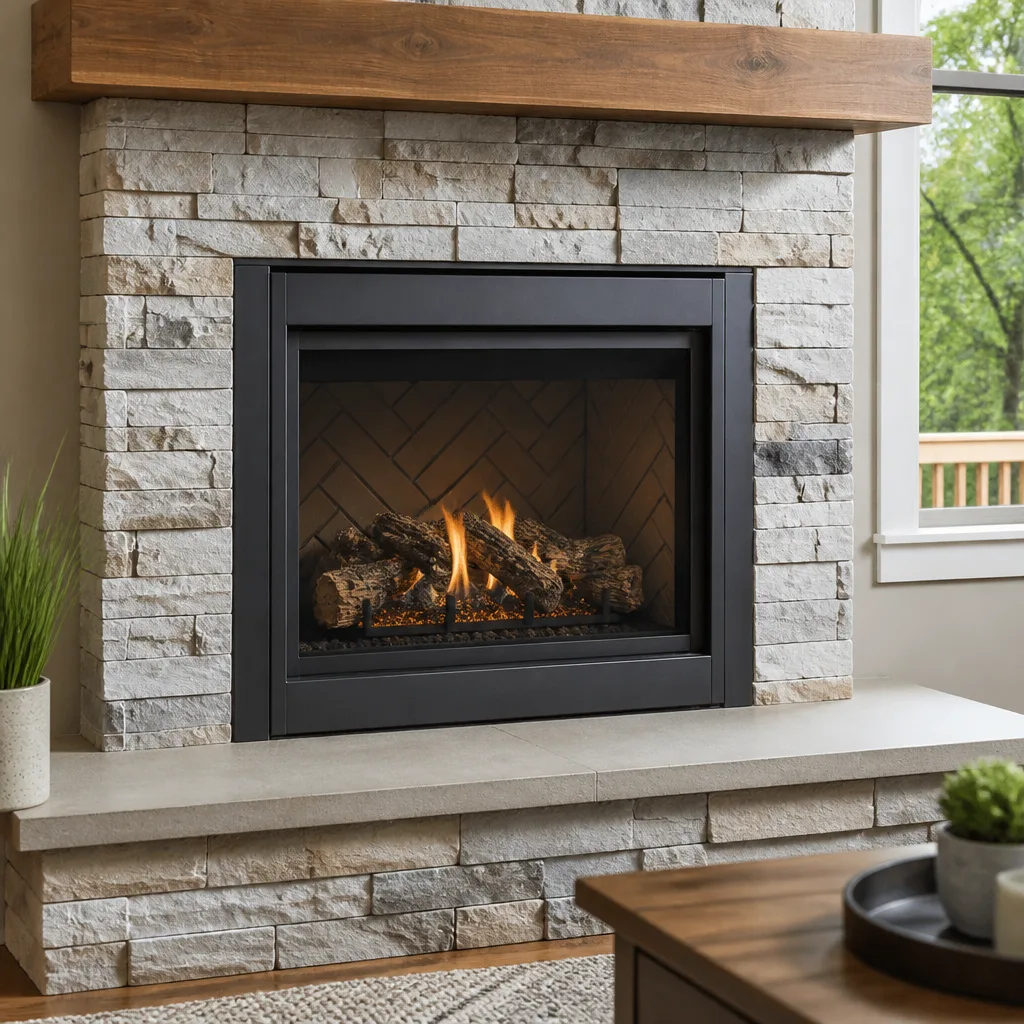
 Gas fireplace service
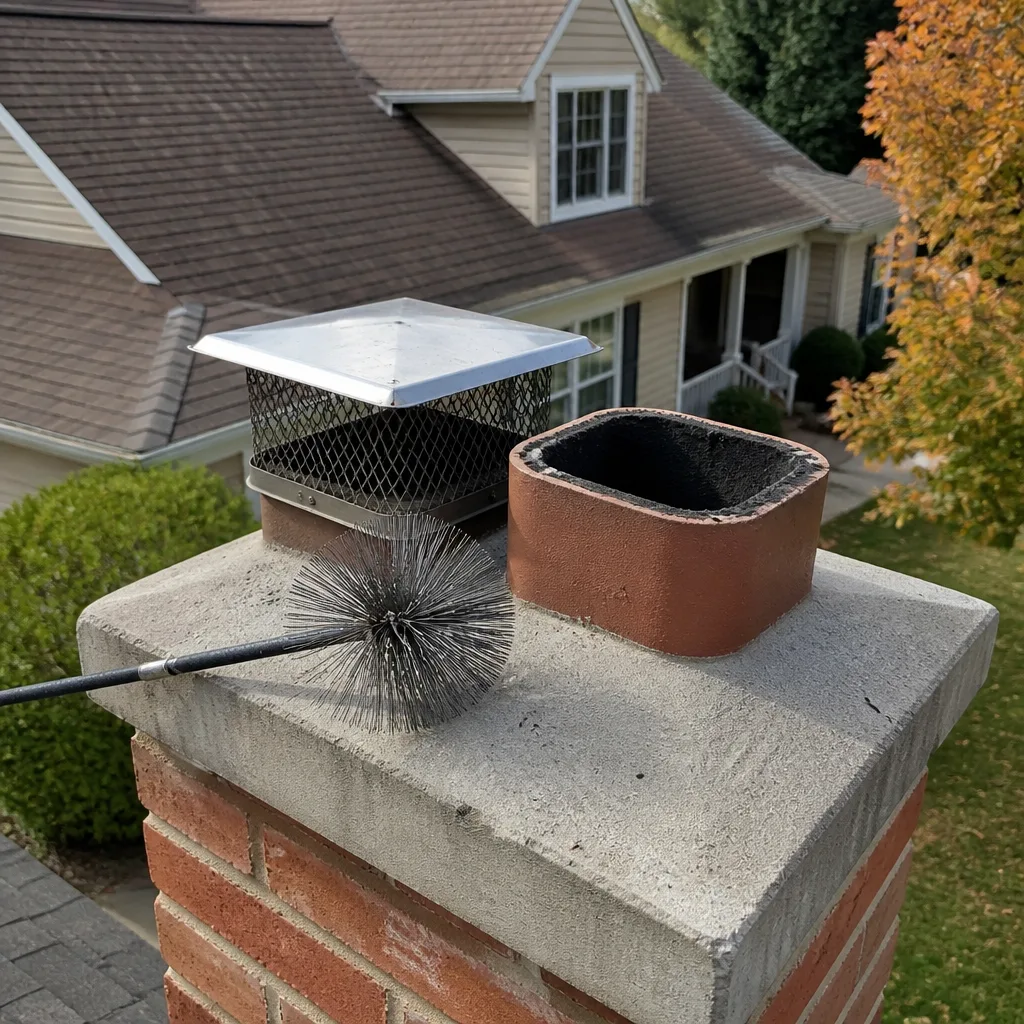 Sweep & inspection
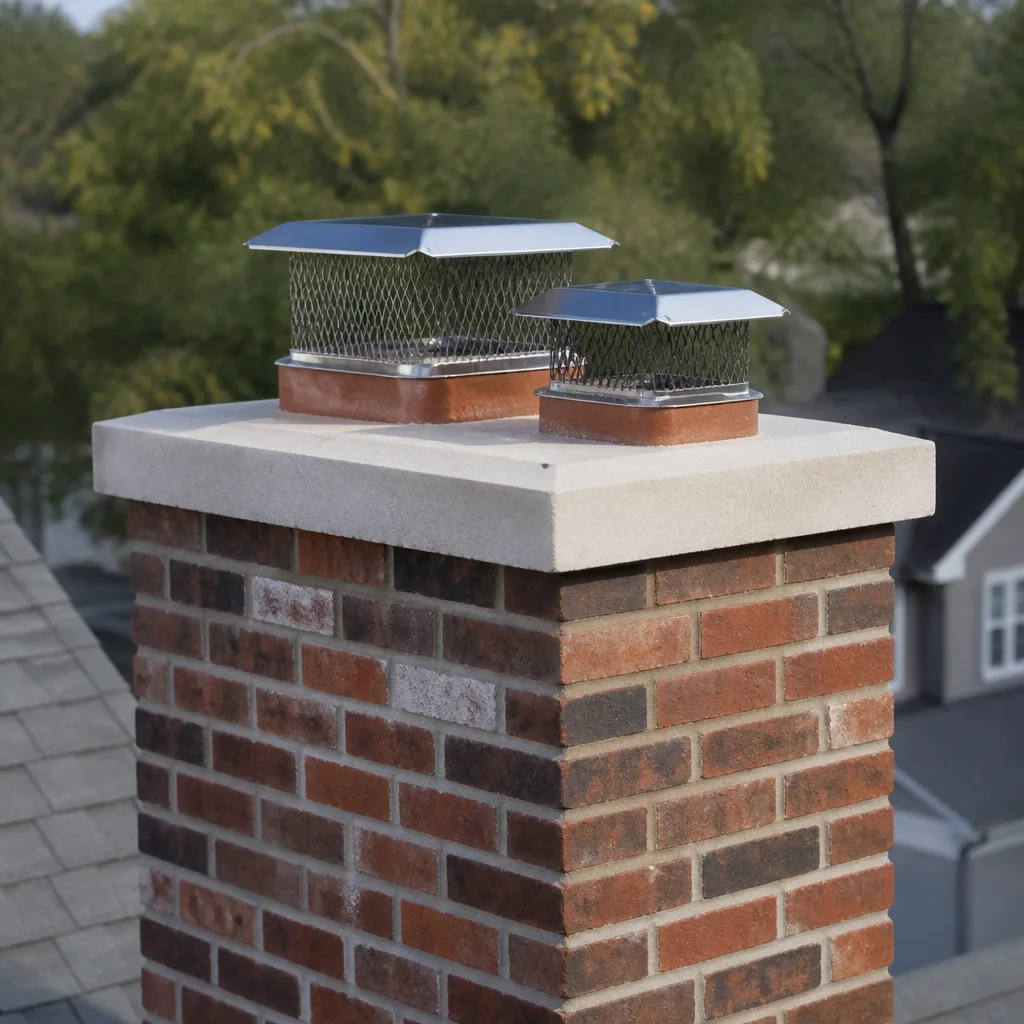 Caps & crowns
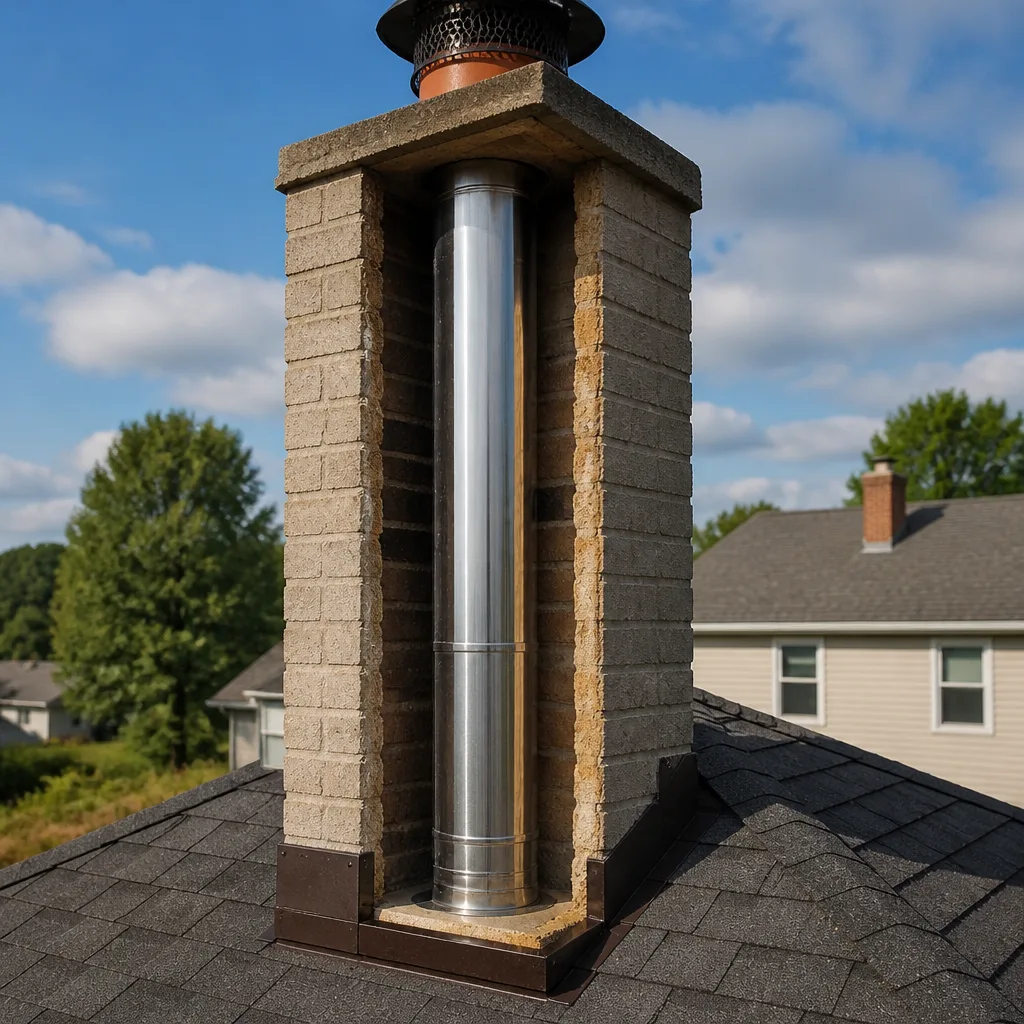 Flue relining
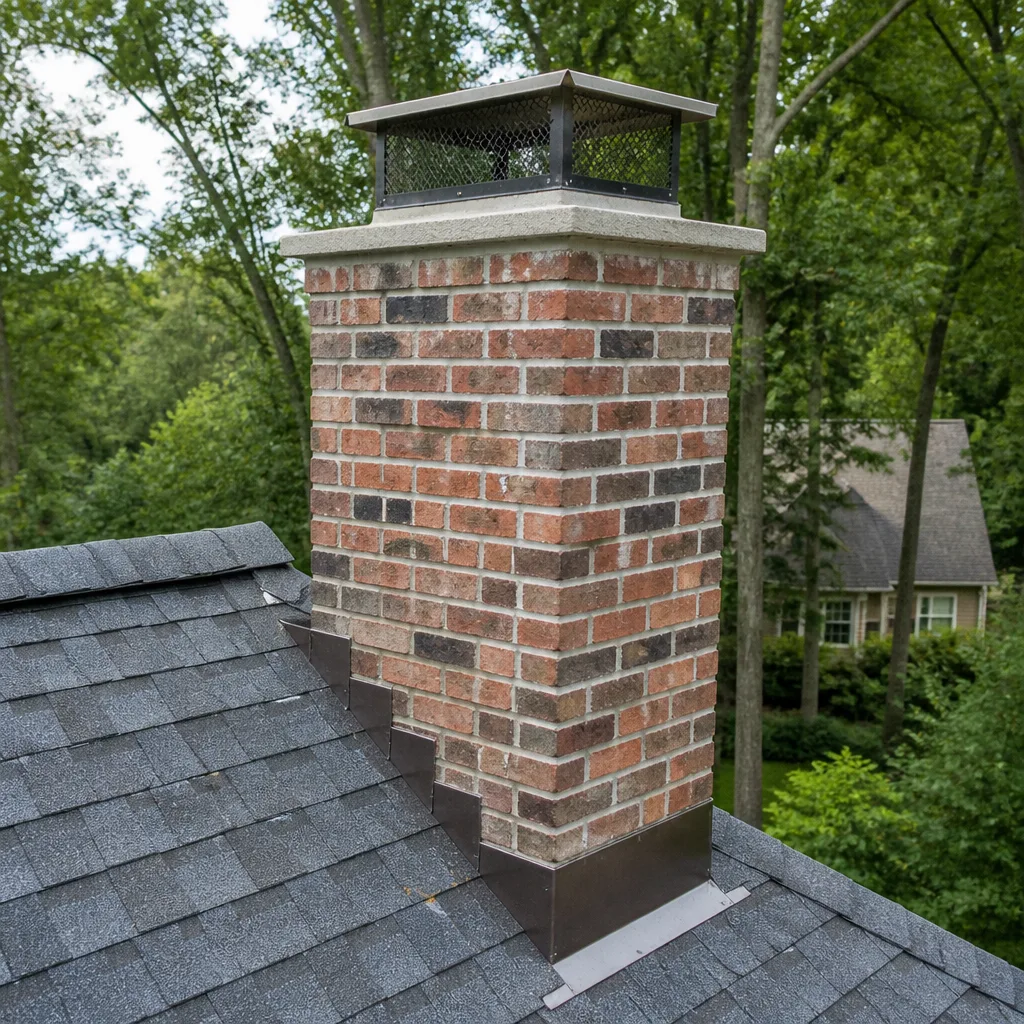 Masonry repair
Level 1 sweep and inspection to the NFPA 211 annual standard - flue, crown, cap, and flashing checked and photographed
Chimney sweep logs do not sweep chimneys. They loosen some creosote - which then falls where a brush and vacuum still have to collect it.
Why Laguna Hills Homeowners Choose HeatShield Chimney Cleaning
We provide independent HeatShield chimney cleaning service in Laguna Hills, and what sets our HeatShield work apart is that we treat the liner as a system with a history, not a surface to scrub and forget. HeatShield is a cast-in-place cement flue resurfacing product, and the liners it forms in this city’s older tract homes behave differently from bare clay tile. Most Laguna Hills chimneys we open were built between the late 1960s and the 1980s, and many have never had a full sweep. To be clear: we’re an independent HeatShield service provider. We are not affiliated with, authorized by, or a dealer for HeatShield, and we don’t speak for the manufacturer. Call (855) 726-8035. We answer 24/7. Fast dispatch from 7am to 7pm, Sunday through Friday.
Why Trust Chimney Sweep Laguna Hills for Your HeatShield Chimney Cleaning?
Because HeatShield liners reward a technician who has actually put a camera down one and watched it misbehave. Our technicians have up to 15 years of experience, and that time gets spent on the details that matter with a cast-in-place cement liner: how the poured layer meets the flue collar, whether it has separated from the original clay tile behind it, and what condition the firebox transition is in.
We work with quality parts that fit HeatShield equipment rather than forcing a generic piece into a proprietary opening. When a resurfaced flue needs a cap or a collar, we match it to the actual flue dimensions and draft requirements instead of grabbing whatever the shelf has. That’s how service stays warranty-safe: no abrasives that gouge a cement surface, no hardware that pinches a liner, no patching over a defect that runs deeper than it looks.
Our scope covers the whole chimney in one call. A HeatShield liner doesn’t fail in isolation from the crown above it or the firebox below it, and we don’t hand you off to a second contractor to sort out the part we didn’t touch. We show you what we find on camera before anything gets recommended. That’s the difference between built to last and patched to pass.
Styles & brands we work with
- Sweep & inspection
- Caps & crowns
- Flue relining
- Masonry repair
- Gas fireplace service
Common HeatShield Chimney Cleaning Problems We Fix in Laguna Hills
These are the failure modes we see with cast-in-place cement liners in Laguna Hills, and each one has a real cause worth understanding.
- Cement-liner delamination and spalling. The poured HeatShield layer can detach from the original clay tile after years of thermal cycling. The fireplace heats, cools, heats again, and the two materials expand at slightly different rates. Over time you get a hollow sound when tapped, visible separation, or flakes of cement material collecting in the smoke chamber. This is the single most common issue we document in older Laguna Hills flues.
- Thermal-shock cracking at the flue-collar transition. The junction where the cast-in-place liner meets the firebox or the first tile course takes the sharpest temperature swings in the whole system. Hairline cracks here are easy to miss on a visual check and obvious on camera. They matter because that’s exactly where heat and gases can escape toward framing.
- Glazed third-degree creosote bonding to the surface. On a CeCure TarGlaze treatment liner, glazed creosote can fuse to the surface and resist standard rotary sweeping. The sweep passes over it and the deposit stays put. Glazed creosote is a chimney fire fuel, so this isn’t a cosmetic problem, and removing it needs a different approach than a routine cleaning.
- Reduced draft or gas-spill symptoms. When a HeatShield-resurfaced flue is paired with an undersized or misaligned cap or an insert collar that doesn’t match, the system can lose draft. Homeowners notice a sluggish fire, smoke rolling into the room on startup, or a smell that lingers. The liner itself may be fine; the components around it are fighting it.
- Birds, nests, and debris in a flue that sat cold all season. Laguna Hills has a warm, dry Mediterranean climate with mild winters, so many fireplaces here burn only a handful of cold nights a year. Long dry spells invite nesting birds, bees, and twigs into uncapped flues. In Leisure World and the older tracts, spring inspections regularly turn up a flue packed with nest material after a fireplace sat unused all winter.
Because fireplaces here get light seasonal use, creosote and soot build slowly. That shifts the problem. Critters, nesting debris, and neglected flues cause more trouble in Laguna Hills than heavy burn ever does. This is “your chimney sat unused for two years” maintenance territory, not heavy-burn cold-country territory, and the inspection calendar should reflect that.
HeatShield Parts & Our Repair-vs-Replace Approach
We use HeatShield’s own resurfacing compounds and TherMix-style insulating mixes where the liner is being repaired in kind. For caps, dampers, and collars, we choose quality aftermarket components where OEM fit isn’t critical, because a well-made aftermarket cap matched to your flue dimensions performs as well as anything and costs you less. We don’t claim to stock genuine HeatShield parts, and we don’t present ourselves as a dealer. We repair and service what’s there with parts that fit it.
The repair-or-replace call comes down to how far the defect runs. An isolated crack or a small area of spalling is a good candidate for resurfacing with a matching cement compound. If a HeatShield liner has delaminated across most of its run, honest advice is usually a full reline, because a patch over a failing substrate fails again. Surface patching only makes sense on isolated defects. We’d rather tell you that plainly than take a repair payment on work we know won’t hold.
Call (855) 726-8035 for an exact quote. Estimates are free.
Our HeatShield Service Process – Step by Step
- 1
Diagnosis with a Level 2 inspection. We run a camera through the flue and document what it shows: the cement layer’s bond to the clay tile, the flue-collar junction, the smoke chamber, and the crown. You see the footage.
- 2
Sweep matched to the surface. A HeatShield cement liner needs a sweep that removes creosote without scoring the cement. Glazed deposits on a CeCure surface get treated before sweeping, not after.
- 3
Repair or install. Isolated defects get resurfaced with a matching cement compound. A liner that’s failed along its length gets a reline recommendation with the reasoning attached.
- 4
Crown and cap work. Crown repair and a properly sized cap go in the same visit where they’re needed, because water intrusion is usually what accelerated the failure in the first place.
- 5
Draft test and photo report. We test draft after the work, then hand you the photos and findings so the record is yours. Warranty-safe documentation matters if a HeatShield claim ever comes up.
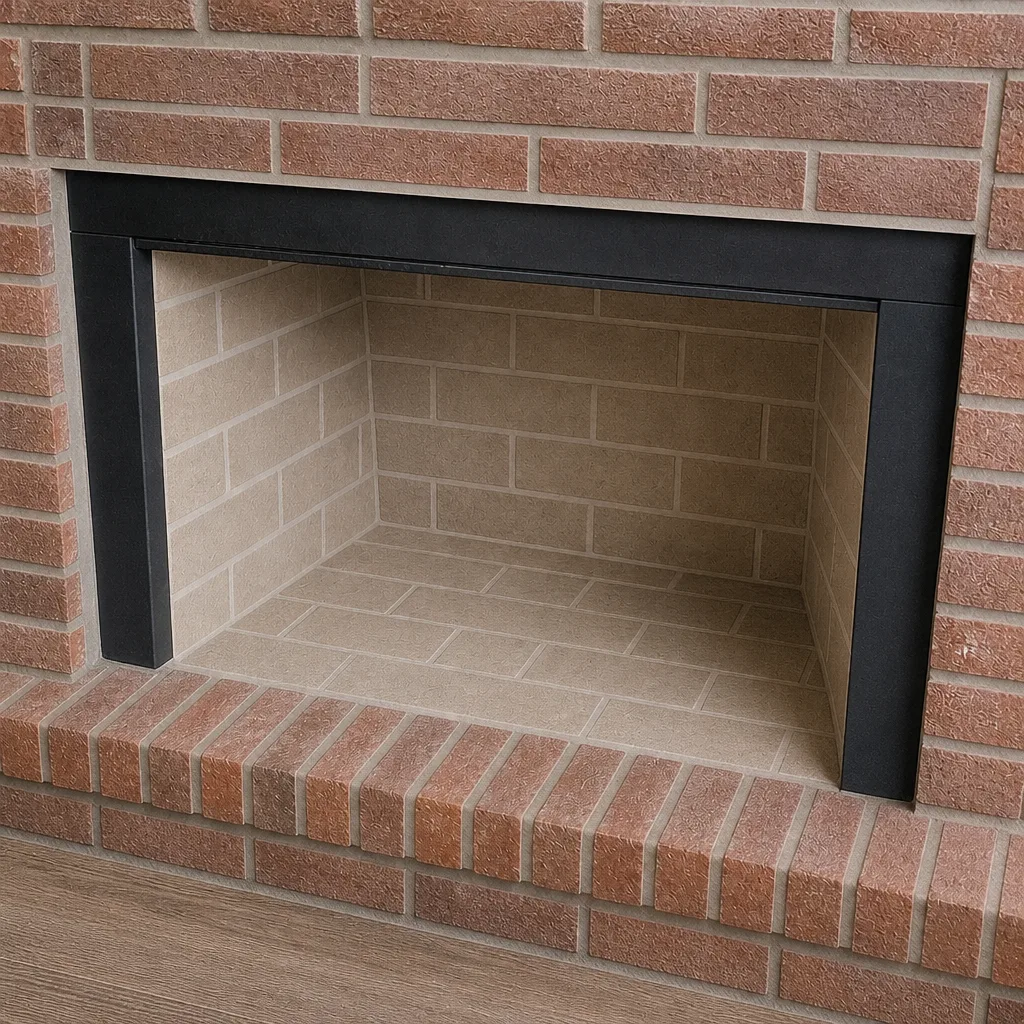
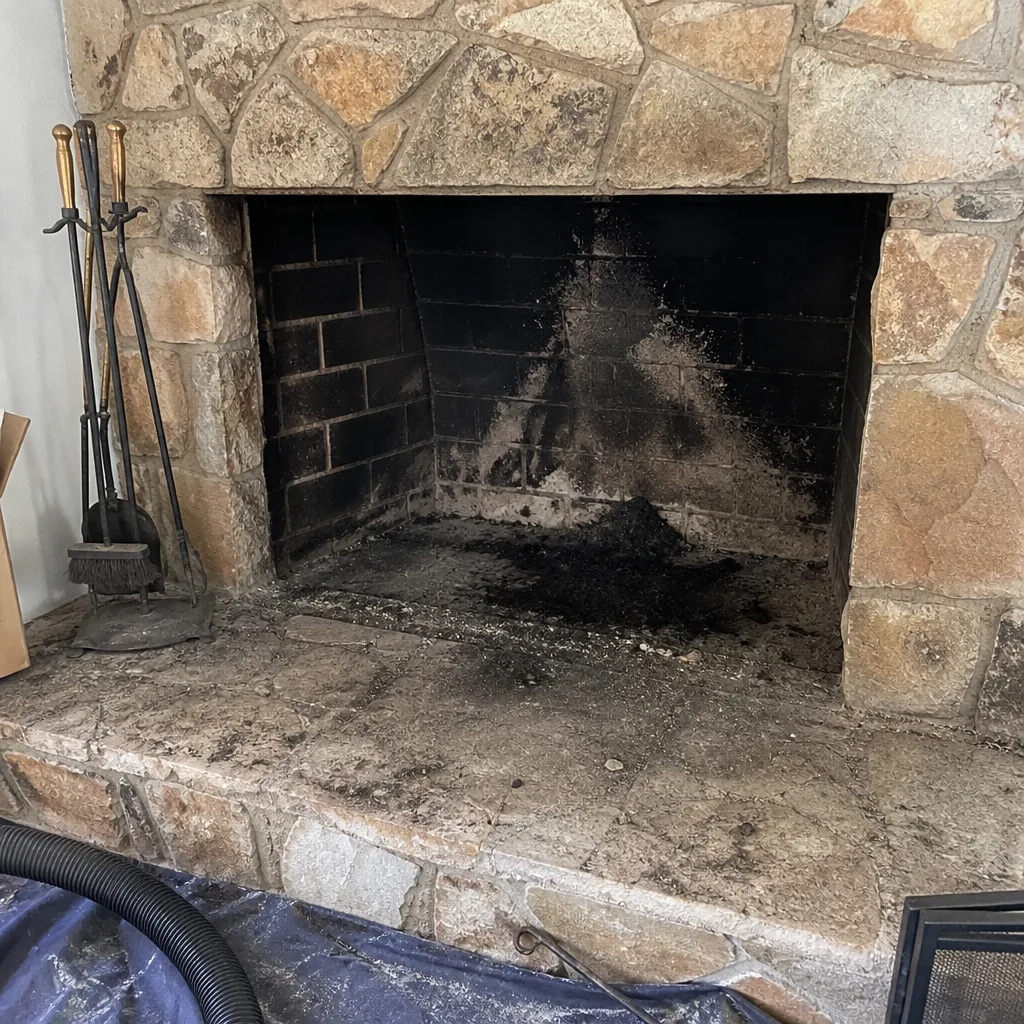
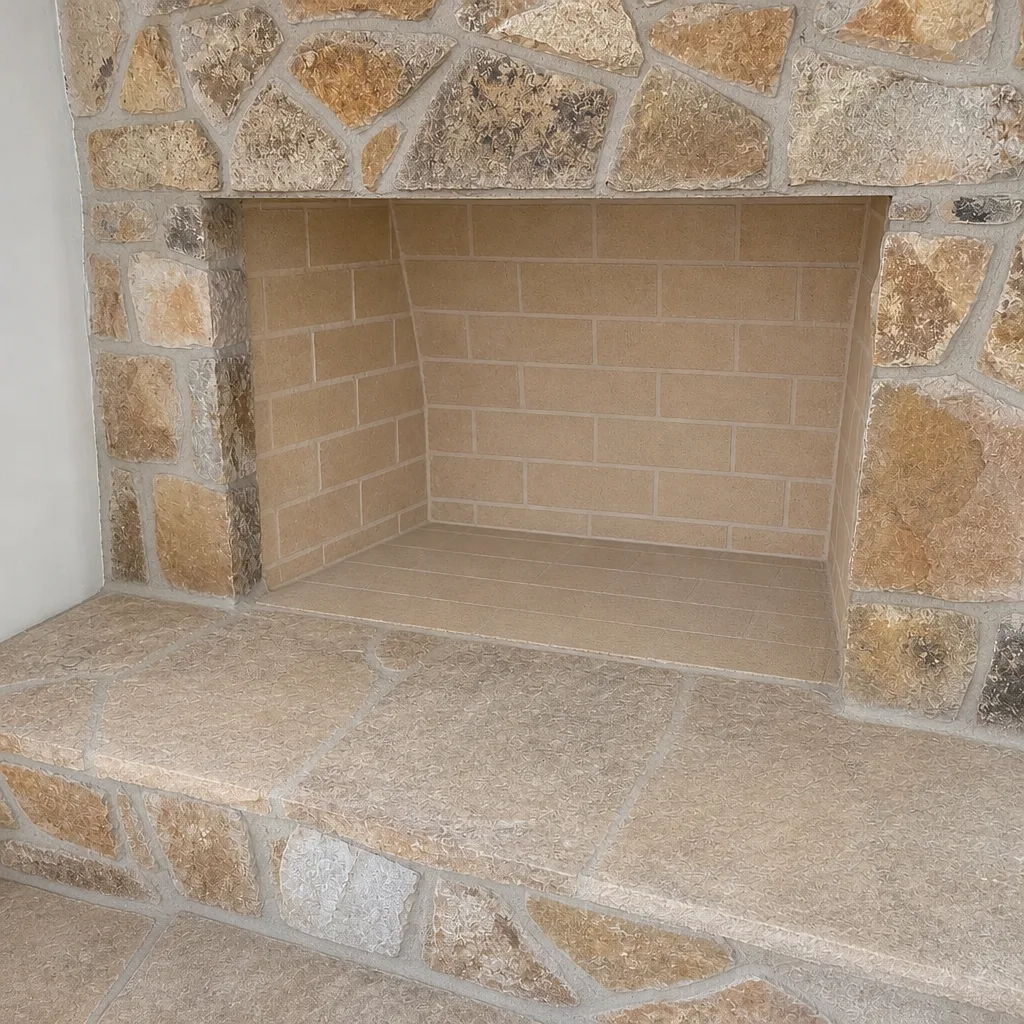
See the difference
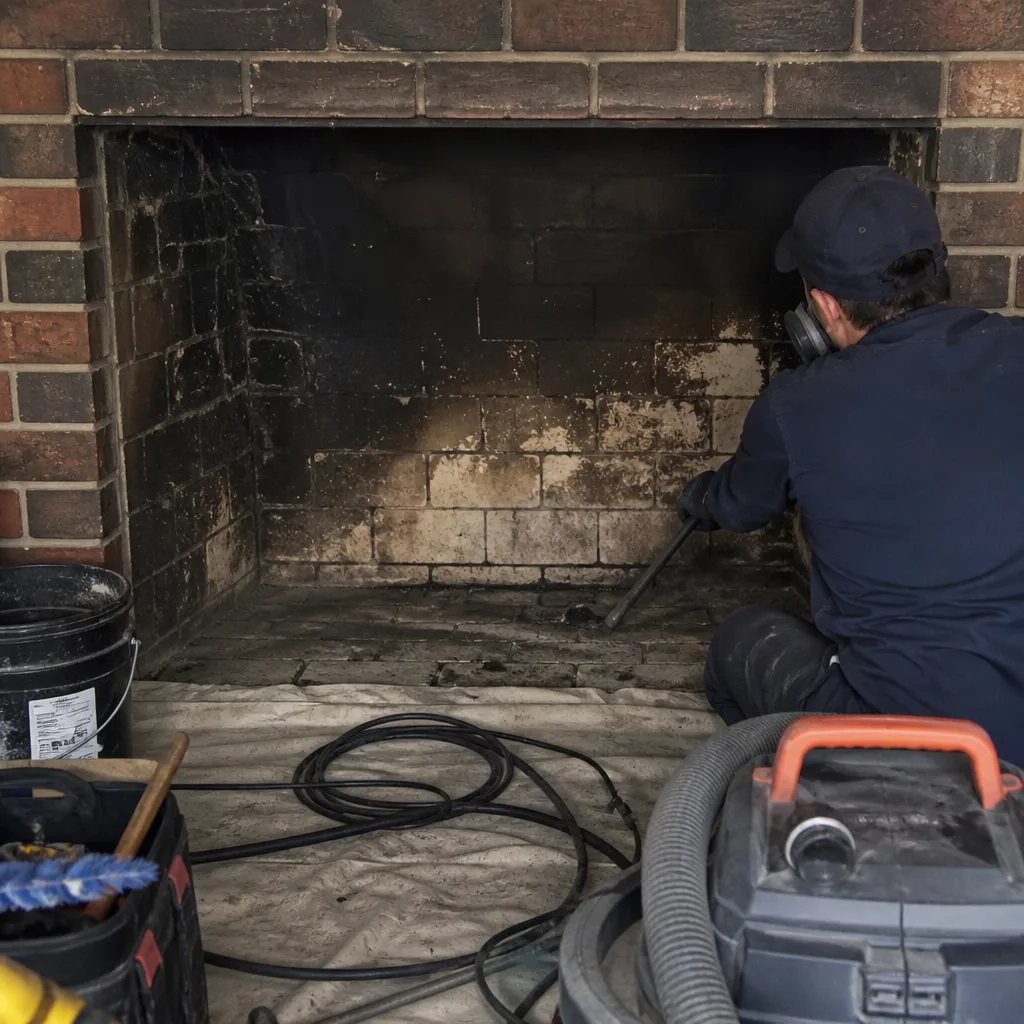 Before
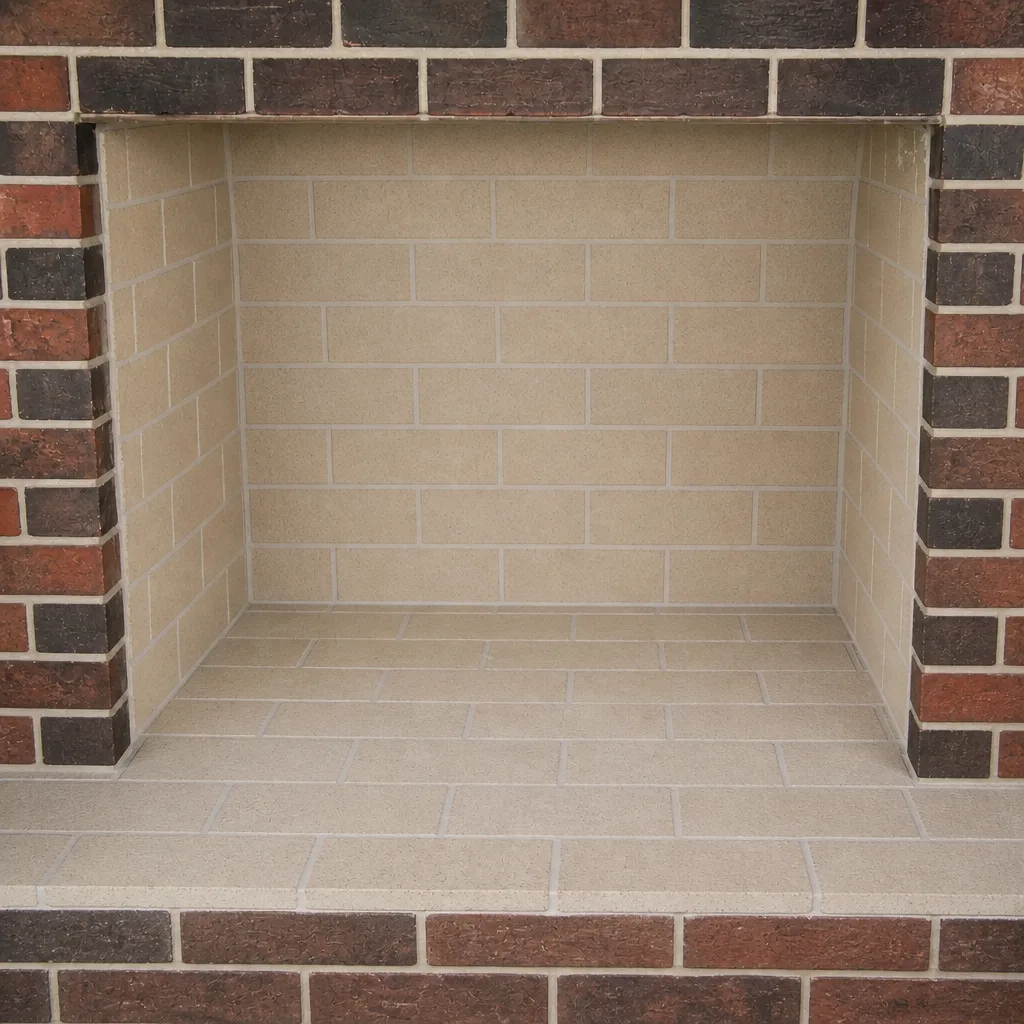 After
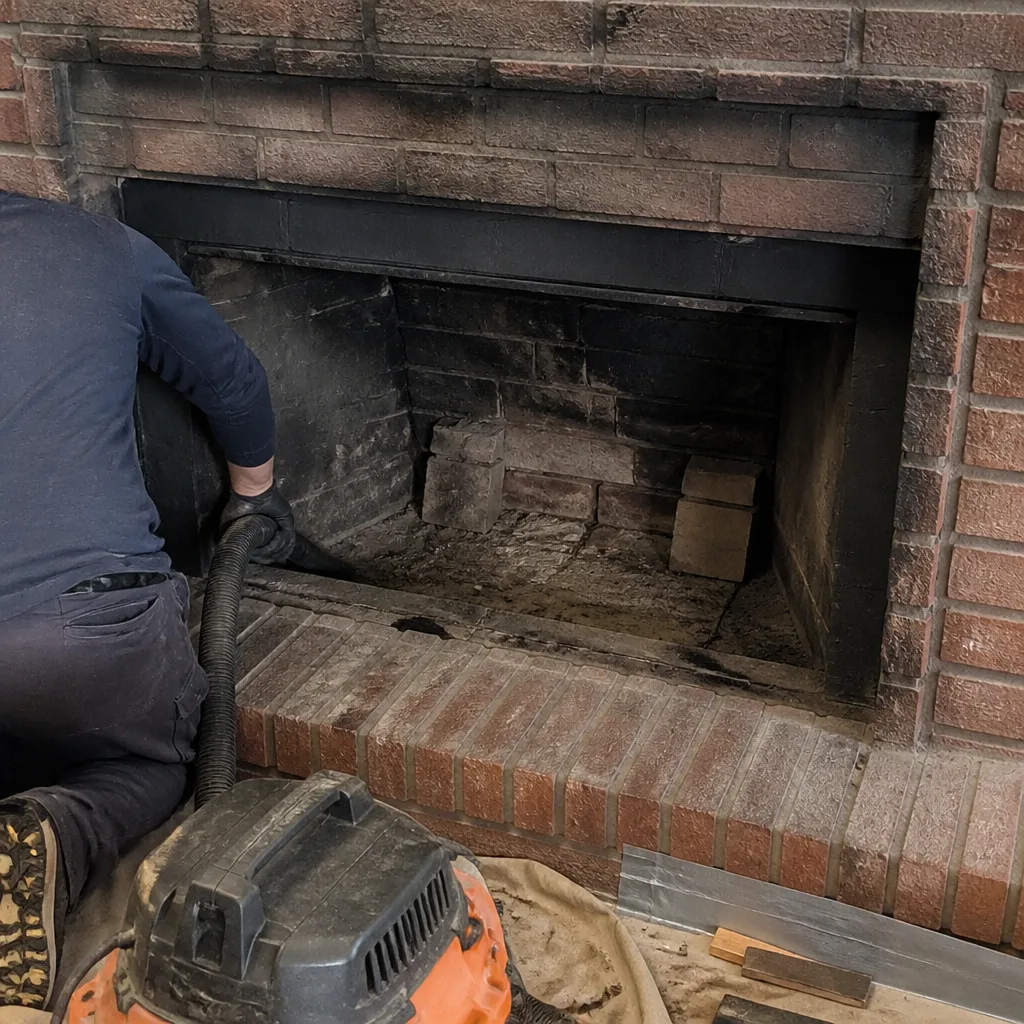 Before
 After
 Before
 After
HeatShield Products We Service & Install in Laguna Hills
We service and install the HeatShield Cast-In-Place Cement Liner, applied by pour or centrifugal method depending on the flue. We work with HeatShield Resurfacing Compound for cracked clay flue tile, the CeCure TarGlaze glazed-creosote treatment liner, and TherMix insulating cement-liner mix. Each of these is a different tool for a different condition, and picking the wrong one is how a repair turns into a repeat call. We don’t publish model families or series, because what matters is matching the product to your flue’s actual dimensions and condition. If your liner type isn’t listed, call and describe it. We’ll tell you whether we handle it.
We Also Service These Brands
HeatShield is one tool, not the only one. We also work with DuraFlex flexible liner systems, a pro-tier option for older or irregularly shaped flues that rigid liners can’t accommodate, and Gelco components for caps and crown work, engineered for draft performance and weather exclusion. That range means we can recommend the right liner for your flue instead of the only brand we know.
FAQs – HeatShield Chimney Cleaning Service in Laguna Hills
No. We are an independent HeatShield service provider, not affiliated with, authorized by, or a dealer for HeatShield. That independence is deliberate. It means we can tell you honestly whether your HeatShield liner is worth relining, resurfacing, or leaving alone, without a manufacturer relationship shaping the answer.
Yes. A cast-in-place cement liner needs a sweep that removes creosote without scoring the cement surface, and glazed deposits on a CeCure liner have to be treated before standard rotary sweeping will work. Sweeping a HeatShield liner like bare clay tile can damage it. Call (855) 726-8035 for an exact quote. Estimates are free.
A camera inspection tells you. Hollow tapping sounds, visible separation from the clay tile, cement flakes in the smoke chamber, or hairline cracks at the flue-collar junction point to failure. Soot and creosote buildup with an intact, well-bonded cement layer points to cleaning. We show you the footage so you can see which one it is yourself.
Sometimes. An isolated crack or a small area of spalling is a reasonable candidate for resurfacing with a matching cement compound. If delamination runs most of the flue’s length, a patch will fail again and a full reline is the honest answer. Call (855) 726-8035 for an exact quote. Estimates are free.
Water is getting in, usually through a failing crown, a missing or undersized cap, or a crack at the flue-collar transition. Moisture mixes with soot and creosote residue and the smell comes back down the flue. The liner may be fine; the fix is often crown repair and a properly sized cap. Call (855) 726-8035 for an exact quote. Estimates are free.
Often yes, but the insert collar and cap have to be sized and aligned to the resurfaced flue, or you’ll get reduced draft and gas-spill symptoms. A mismatched collar is one of the more common causes of a sluggish HeatShield-lined fireplace. We check the fit as part of the inspection.
A routine sweep and inspection on a HeatShield liner is usually a single visit. Resurfacing work and crown repair take longer, and a full reline is a separate scheduled job. We give you the timeline with the written estimate so you know what you’re planning around.
We service and install the Cast-In-Place Cement Liner, Resurfacing Compound for cracked clay tile, the CeCure TarGlaze treatment liner, and TherMix insulating cement-liner mix. We don’t publish model families or series. If you’re unsure what’s in your flue, the inspection answers it.
Not when the work is done correctly. Warranty-safe service means no abrasives that damage the cement surface, parts that fit the liner properly, and photo documentation of condition before and after. We keep that record for you. Improper sweeping or ill-fitting components are what put a warranty at risk.
We price per job from a written estimate, and the estimate is free. A standard sweep and Level 2 inspection on a HeatShield liner is one figure; resurfacing, crown repair, and relining are quoted separately based on what the camera shows. You get the number in writing before any work starts. Call (855) 726-8035 for an exact quote. Estimates are free.
Book Your HeatShield Service in Laguna Hills, CA
Whether your HeatShield liner needs a sweep, a resurfacing repair, or an honest opinion on whether it’s time to reline, we’ll put a camera in the flue and show you what’s there before we recommend anything. Call (855) 726-8035. We answer 24/7. Fast dispatch from 7am to 7pm, Sunday through Friday. The estimate is free, and we’re glad to say when work can safely wait.
Written by the team at Chimney Sweep Laguna Hills.