
Last updated November 25, 2026
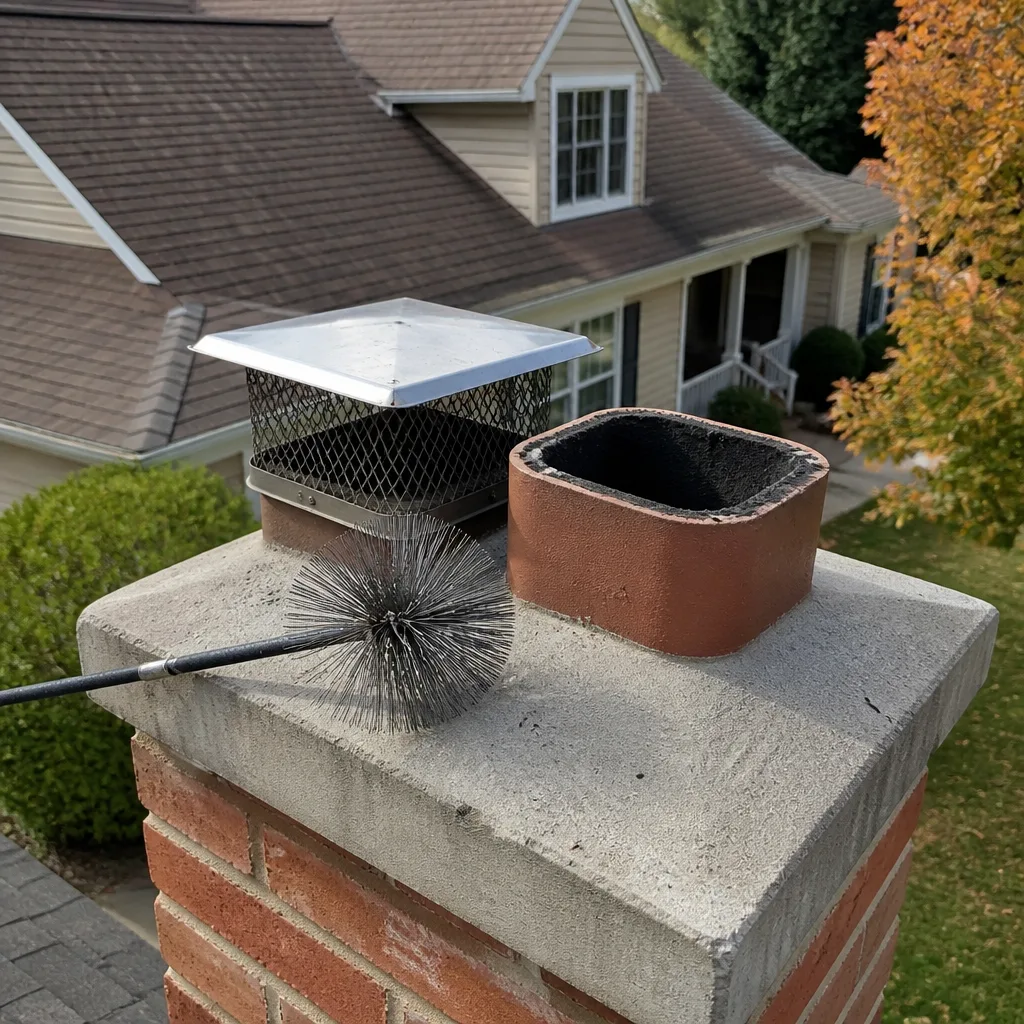 Sweep & inspection
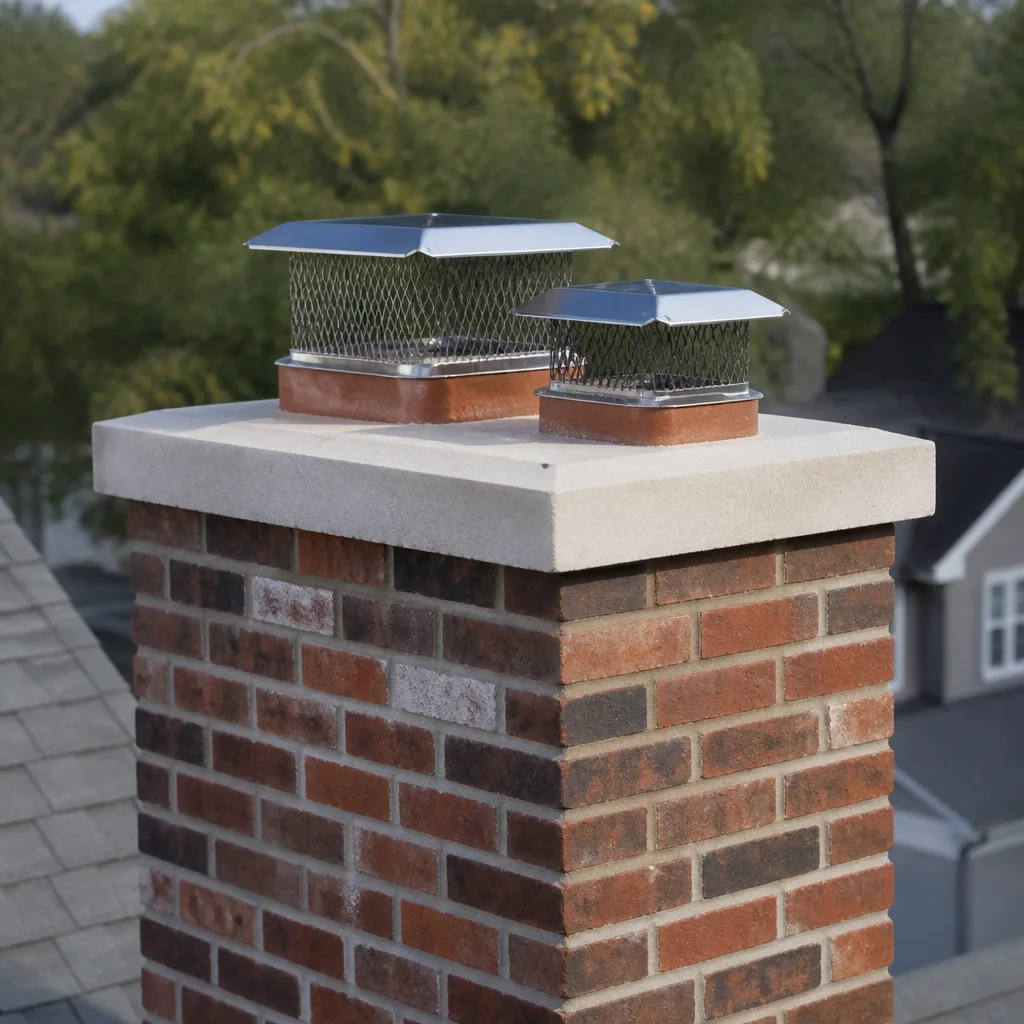 Caps & crowns
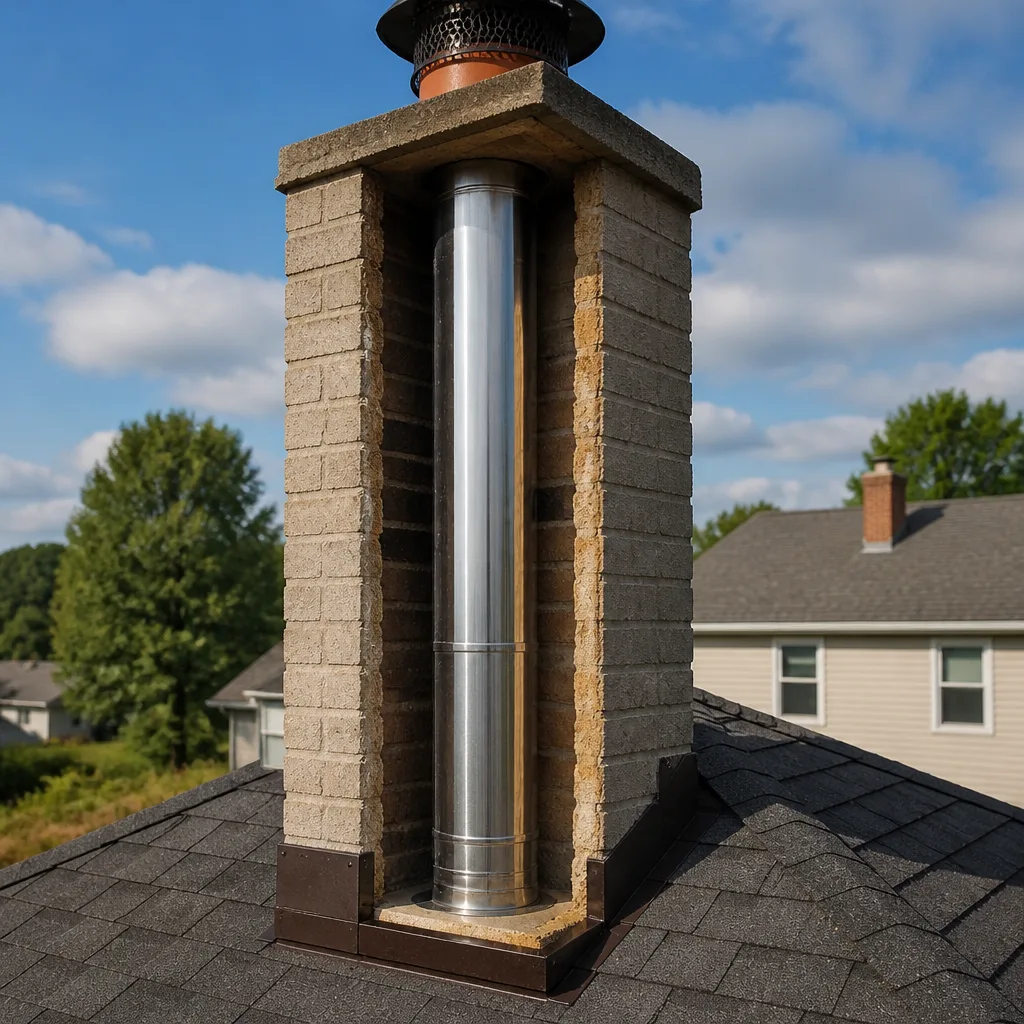 Flue relining
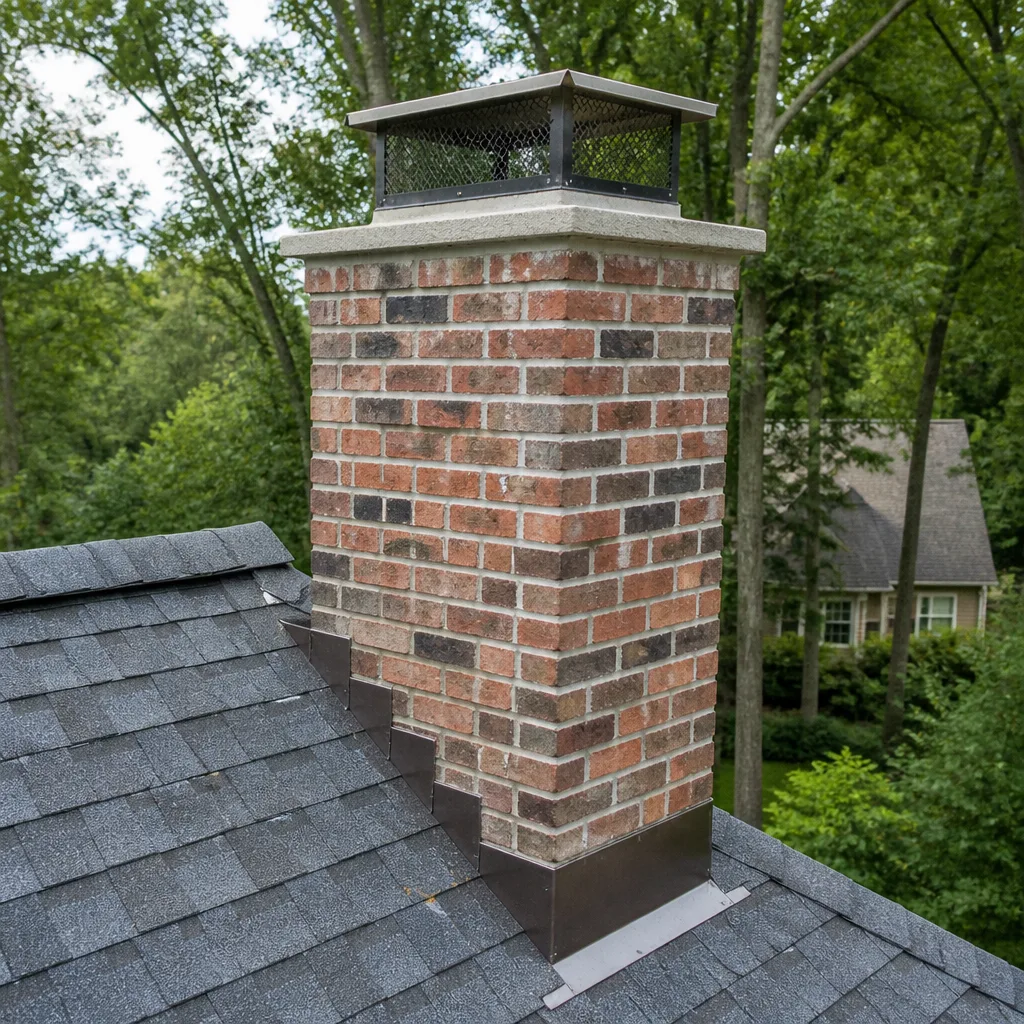 Masonry repair
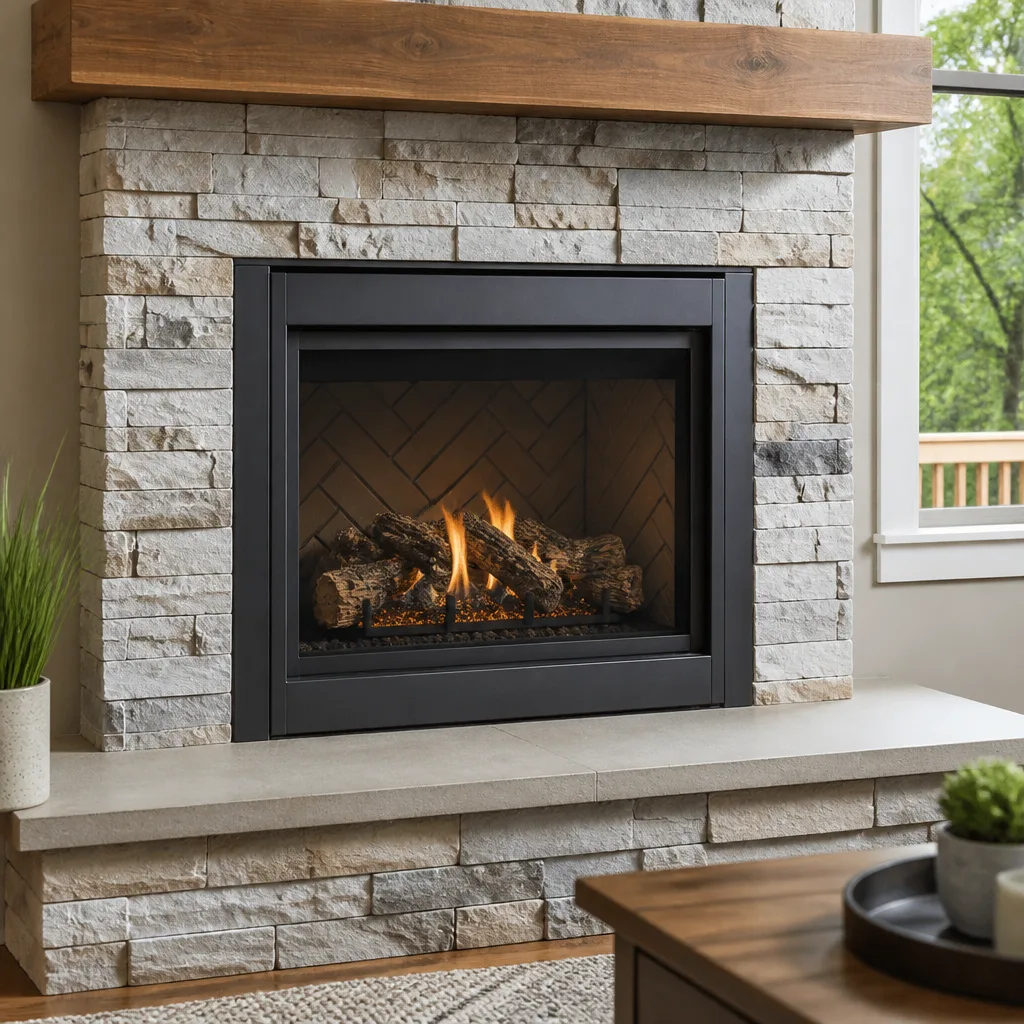 Gas fireplace service
Level 1 sweep and inspection to the NFPA 211 annual standard - flue, crown, cap, and flashing checked and photographed
Chimney sweep logs do not sweep chimneys. They loosen some creosote - which then falls where a brush and vacuum still have to collect it.
Chimney Cleaning Emergency Preparedness Guide for Laguna Hills Homes
Most homeowners treat a chimney sweep as spring cleaning for the fireplace: nice to have, easy to postpone. In Laguna Hills, that framing gets the risk backward. Your chimney is one of the few openings in the building envelope that connects outside air directly to the inside of your home, and during a wind-driven wildfire, that opening either has a spark arrestor cap on it or it doesn’t. This guide covers the pre-season checklist for Laguna Hills homes, what an uncleaned flue actually does during an ember cast event, what to do if a chimney fire starts, and how to document your system for insurance before fire season. No scare tactics, just the mechanics.
Quick Answer
Chimney emergency preparedness for a Laguna Hills home means three things before fire season: a professional sweep and inspection so the flue is clear of creosote, a properly fitted spark arrestor cap on every flue, and a documented record of your chimney’s condition for insurance. A clean flue reduces the fuel available for a chimney fire, and an intact cap closes the ember entry point that wind-driven wildfire embers exploit. Both are inexpensive next to the damage they prevent, and both are things a homeowner can verify in an afternoon.
Styles & brands we work with
- Sweep & inspection
- Caps & crowns
- Flue relining
- Masonry repair
- Gas fireplace service
Table of Contents
- Why Your Chimney Is an Ember Entry Point in Laguna Hills
- The Pre-Season Chimney Checklist for Laguna Hills
- Caps, Crowns, and Spark Arrestors
- What to Do If a Chimney Fire Starts
- After a Chimney Fire: The Level 2 Inspection
- Documenting Your Chimney for Insurance Before Fire Season
- Creosote, Draft, and the Chimney Fire Triangle
- Chimney Prep and Your Evacuation Plan
Why Your Chimney Is an Ember Entry Point in Laguna Hills
Wildfire embers don’t need an open flame to ignite a structure. Wind-driven ember cast is the mechanism that carries fire across the interface zones bordering Laguna Hills and into Aliso Viejo, and embers are small enough to enter openings a homeowner would never think to check. A chimney flue is a straight vertical pipe to the interior of the house. When a cap is missing, rusted through, or fitted with a mesh screen too coarse to stop fine embers, that pipe becomes an ignition pathway.
The Aliso Viejo and Laguna Hills interface zones sit in a geography where Santa Ana wind events push embers northeast and inland. During those events, wind speeds climb, relative humidity drops, and embers stay hot longer. What a homeowner notices afterward is often a small smoldering fire in the attic or a burnt joist near the chimney chase, not a dramatic ignition. The point isn’t to alarm anyone. The point is that chimney caps exist for exactly this condition, and a cap that’s missing or damaged is the single most common chimney-related weakness we see on Laguna Hills homes heading into fire season.
An uncleaned flue makes the problem worse in a specific way. Creosote is a combustible residue that builds up on the interior flue walls. A spark or ember that enters a flue with heavy creosote deposits has fuel waiting for it. A flue that’s been swept in the last year does not. The two failures together, no cap plus creosote, are what chimney-adjacent ignition reports tend to describe. Either one alone is a problem worth fixing.
We show you what we find, and the inspection report tells you exactly what condition each flue is in, cap and screen included. If you’re overdue, schedule a chimney sweep before the fall wind season begins.
The Pre-Season Chimney Checklist for Laguna Hills
September 1 is the practical deadline for chimney preparedness in Laguna Hills, because Santa Ana wind season starts building in October and typical readiness work takes a few weeks to complete once you’ve scheduled it. The checklist below covers everything a homeowner can do on their own, plus the items that require a trained technician.
- Confirm every flue has a cap. Count the flues on your roof and match each one to a visible cap. If a flue is uncapped, book it for a cap install.
- Inspect the cap mesh visually. Standing on the ground with binoculars works. Look for rust, gaps at the edges, and mesh that looks loose or torn.
- Check the cap’s attachment. A cap that shifts in the wind or sits crooked is a cap that will fail in a wind event.
- Schedule a sweep and inspection. An annual sweep removes creosote and lets a technician check the flue’s condition. Book it before September 1 if you burn regularly.
- Clear roof debris. Pine needles, leaf litter, and dead branches near the chimney cap are combustible. Clear them from the roof and the gutters.
- Check the firebox and damper. The damper should open and close smoothly, and the firebox should show no crumbling mortar or cracked brick. Note any damage to address with a fireplace repair appointment.
- Photograph the chimney. Take dated photos of the cap, crown, flashing, and brickwork. You’ll want them for your insurance file (covered in more detail below).
- Clear defensible space around the structure. The chimney is one component of the broader defensible space picture. Coordinate with your overall home hardening plan.
Items 1 through 3 and 6 take a homeowner an hour. Items 4, 5, and the deeper structural check require a professional on the roof, and we recommend you schedule those before August ends so the work is complete before the wind season. We answer 24/7, and dispatch runs 7am to 7pm, Sunday through Friday.
Caps, Crowns, and Spark Arrestors: The Preparedness Components
A chimney cap is the lid on a vertical pipe through your roof, and on a wildfire interface property, it’s doing two jobs at once. The first is draft control and weather exclusion: it keeps rain, birds, and squirrels out and improves how the flue draws. The second is spark arrest: the mesh screen on a proper cap catches sparks and embers leaving the flue before they hit the roof or the nearby vegetation.
Most of the caps we replace on Laguna Hills homes fail in one of three ways: the mesh rusts through, the cap itself is undersized for the flue, or the attachment hardware has corroded. A cap that a hardware store sells as a general-purpose cover isn’t the same product as one engineered for a chimney’s specific draft and thermal conditions. We install Gelco and Famco components for cap and crown work because they’re built for the environment a chimney actually operates in.
The crown is the concrete or mortar cap at the top of the chimney chase, angled to shed water away from the flue. A cracked crown lets water into the masonry, and water-damaged masonry is a much bigger repair than a crown replacement. A crown inspection belongs in every pre-season check.
- Cap: the lid and spark screen assembly at the top of a flue
- Crown: the sloped concrete or mortar top of the chimney chase
- Spark arrestor: the mesh component of the cap that catches embers and sparks
- Flashing: the metal seal where the chimney meets the roof
If your cap is missing or the mesh is compromised, this is a low-cost, high-value preparedness item, and it’s one of the five core services we handle. We can install a cap and inspect the crown at the same visit.
What to Do If a Chimney Fire Starts
A chimney fire is a fire burning inside the flue. It can be dramatic, roaring and shaking the pipe, or it can be quiet and slow, burning creosote with almost no visible sign from inside the house. The quiet version is more dangerous because homeowners don’t recognize it. Signs of a chimney fire include a loud roaring or popping sound, a hot chimney chase, smoke or creosote flakes coming from the top of the chimney, and a strong burning smell in the room.
If you suspect a chimney fire in progress:
- Get everyone out of the house. Call 911 from outside. Even if you think it’s contained, call.
- Don’t try to fight it. Never pour water down a hot flue, which can crack masonry and send steam and debris into the room.
- Close the fireplace doors or damper only if you can do it safely. Starving the fire of air can help, but only if you can reach the controls without putting yourself at risk.
- Wait for the fire department. LACOFD will confirm the fire is out and check for extension into the attic or roof structure.
- Do not use the fireplace again until a Level 2 inspection is complete. This is not optional and not a same-week decision.
A contained event, meaning one you’ve confirmed is fully out with no visible damage, is still a reason to have the flue inspected. Some homeowners find that creosote has burned off without damage and the flue is fine. Others find cracked clay tiles or warped metal liners that were invisible from inside the room. You can’t tell which without inspection. If you have any doubt at all, call 911 first and inspect after.
For the broader chimney-system repair work a fire might trigger, see our chimney repair page for the range of fixes involved.
After a Chimney Fire: The Level 2 Inspection
The flue cannot be used again after a chimney fire until a Level 2 inspection is completed, and this is the piece homeowners most often underestimate. A Level 1 inspection is a visual check of readily accessible components. A Level 2 inspection adds a video camera scan of the flue interior, and that camera is the only way to see what a chimney fire does to the inside of a liner.
A Level 2 inspection after a chimney fire looks for:
- Cracked or spalled clay tiles. The liner is what stands between your fire and the wood framing of the house.
- Warped or separated metal liners. Steel liners buckle and pull apart at seams under fire conditions.
- Failed joints and mortar. Gaps between liner sections let heat reach combustibles.
- Creosote that re-formed after the fire. The fire can leave a glaze on the flue walls that needs mechanical removal.
- Crown and cap damage. Heat and debris can crack the crown and damage the cap or its mesh.
If the liner is damaged, you’re looking at relining, and the right product depends on the flue’s configuration. A DuraFlex flexible liner is a pro-tier system built for older or irregularly shaped flues where a rigid liner won’t fit. For a flue that’s sound but has surface damage, HeatShield resurfacing can restore the liner’s interior without full replacement. That’s the repair option we look at first when the underlying structure is intact.
The written estimate sets the final price, and it’s based on what the camera actually shows. There’s no reason to recommend work you can’t see, and no reason to do work that can safely wait. If the flue needs to be offline for weeks before repair, we’ll tell you that plainly.
Documenting Your Chimney for Insurance Before Fire Season
Insurance claims after a wildfire or a chimney fire move faster when the homeowner can show the condition of the chimney before the event. A claim that starts with “I don’t have records” takes longer and settles for less than one with dated photos and an inspection report. Building a chimney-specific file takes an afternoon.
- Photograph each flue and cap from the ground. Use the highest zoom your phone offers and take multiple angles. Include a date stamp by enabling it in your camera settings.
- Photograph the crown, flashing, and brickwork. Any existing cracks should be documented with a wide shot and a close-up.
- Photograph the firebox and damper. Any existing damage or repair should be captured.
- Keep your inspection reports. An annual inspection report includes a written description of condition and any deficiencies. Save them to cloud storage.
- Keep component records. Cap and crown installation paperwork, liner installation records, and receipts for any chimney work belong in the same file.
- Store the file off-site. A paper file in the house doesn’t help during an evacuation. Push your file to a cloud folder that’s accessible from your phone.
One thing homeowners often miss: if the inspection identifies a cap that’s missing or a screen that’s compromised, that photo is now proof of pre-event condition. Getting the cap fixed and keeping the repair receipt closes the loop. If you’re preparing a file from scratch, an inspection is a reasonable starting point.
Creosote, Draft, and the Chimney Fire Triangle
A chimney fire needs fuel, oxygen, and heat, the same triangle any fire needs. A clean flue removes most of the fuel. Creosote is the byproduct of incomplete combustion, and it deposits on the flue walls in three forms: soot and dust (easiest to remove), glazed creosote (harder, needs mechanical removal), and a hard, tar-like glaze that has been through a fire at least once. The third form is the dangerous one and the reason a sweep isn’t a DIY job for a heavily loaded flue. Glazed creosote has to be removed by mechanical means, not a chimney brush alone.
Draft affects creosote buildup in a way that surprises people. A flue that drafts poorly burns cooler, which increases creosote deposition. Cooler flue temperatures, or a flue that’s too large for the fireplace opening, or a cracked cap that lets air in at the wrong angle, all raise creosote. This is why a technician checks the cap and crown on a sweep visit, not just the flue interior. The two systems are connected.
Burning dry, well-seasoned hardwood and keeping the flue at proper temperature during burn reduces creosote accumulation. Avoiding a smoldering fire overnight does the same. But none of these habits replaces an annual sweep, because creosote accumulates regardless, and the only way to know the flue’s actual condition is to inspect it.
We use HeatShield resurfacing technology when a flue is sound but the liner interior is compromised. That extends the system’s life without the cost of a full replacement, and it’s the option we default to when the underlying structure is intact. For your annual sweep appointment in Laguna Hills, the full scope of what a sweep visit covers is on our Chimney Sweep Laguna Hills page.
Chimney Prep and Your Evacuation Plan
Wildfire evacuation plans usually cover documents, medications, pets, and a route out. The chimney rarely makes the list, and that’s a gap worth closing. When an evacuation order comes, the chimney’s condition is set. You can’t install a cap on the way out the door, and you can’t sweep a flue under pressure. The work has to be done before fire season, and that’s the point of the pre-season checklist.
What homeowners should add to their evacuation plan regarding the chimney:
- Before fire season: Complete the sweep, inspection, and cap work. This is the single item on the list you can’t do at the last minute.
- When an evacuation warning is issued: Close the fireplace damper. A closed damper restricts airflow through the flue.
- Before you leave: Close fireplace doors and windows. Close the damper on any fireplace that has one.
- Take your chimney file. The photos and inspection report belong in your go-bag or cloud folder, not a desk drawer.
- After re-entry: Have the chimney inspected before the first fire. Ember intrusion and heat exposure may have left damage that isn’t visible from inside the room.
The Aliso Viejo interface geography means Laguna Hills homes sit in a zone where these plans get tested. Getting ahead of the chimney work is a preparedness step with a clear start and finish, which is more than most of the list offers.
Common Mistakes to Avoid
- Assuming a “sweep” covers the cap and crown. Plenty of homeowners find out their cap is missing during a fire watch, not during a sweep. Ask for a cap and crown check as a separate line item on the inspection.
- Replacing a cap with a hardware-store cover. Generic caps are cheap for a reason. They’re not built for the draft and heat conditions a chimney sees, and they fail faster.
- Skipping the sweep because you only burn occasionally. Creosote accumulates whether or not you notice it. A light-use fireplace still builds deposits that need professional removal.
- Relighting the fireplace after a chimney fire without a Level 2 inspection. This is the mistake that turns a contained event into a house fire. The flue is not cleared for use until the camera scan confirms it.
- Ignoring a crown crack because the fireplace works fine. The crown sheds water. A crack lets water into the masonry and turns a small repair into a large one over a single rainy season.
- Not keeping chimney records for insurance. Claims move faster with records. Photographs and inspection reports take an afternoon to assemble and are worth the effort if a claim is ever needed.
- Booking the sweep in October. Every homeowner in the interface zone is thinking about fire season by then. Get it done before September 1 if you want the work complete before the wind season starts.
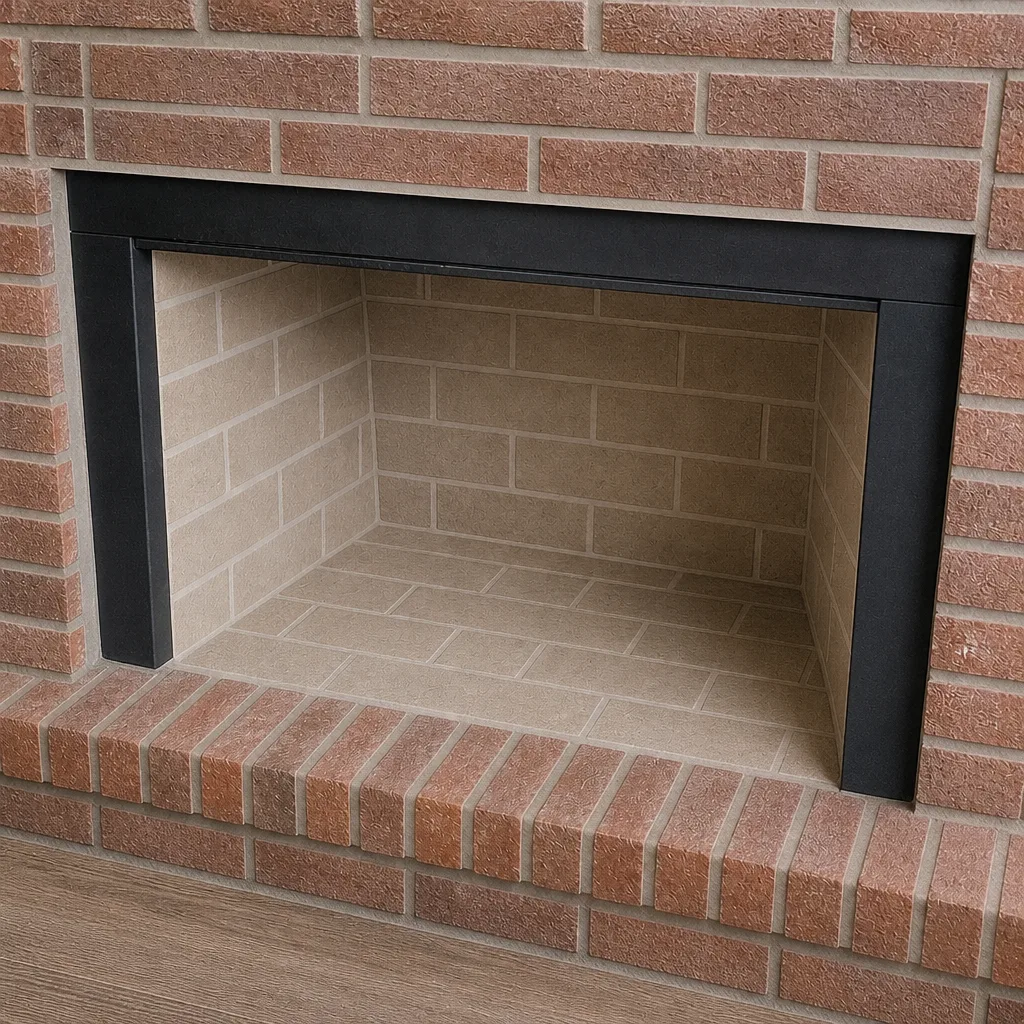
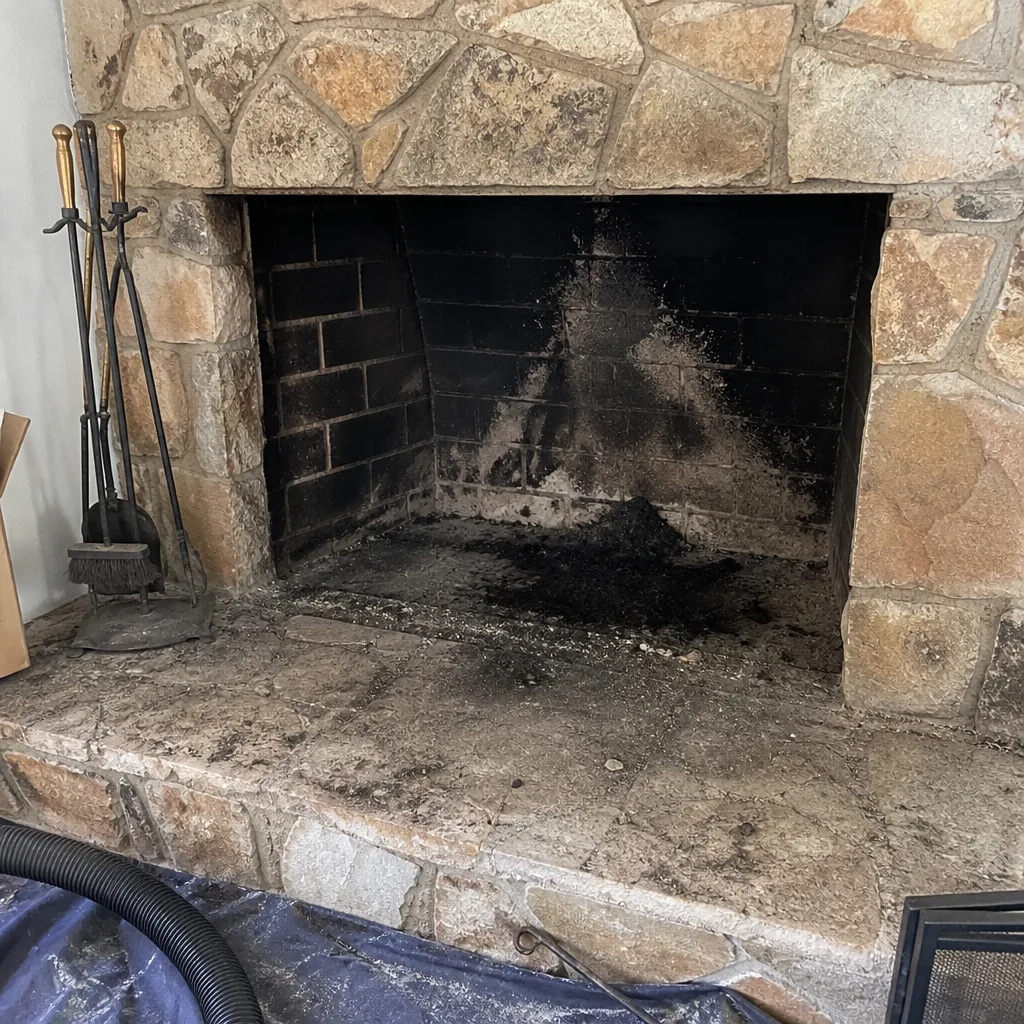
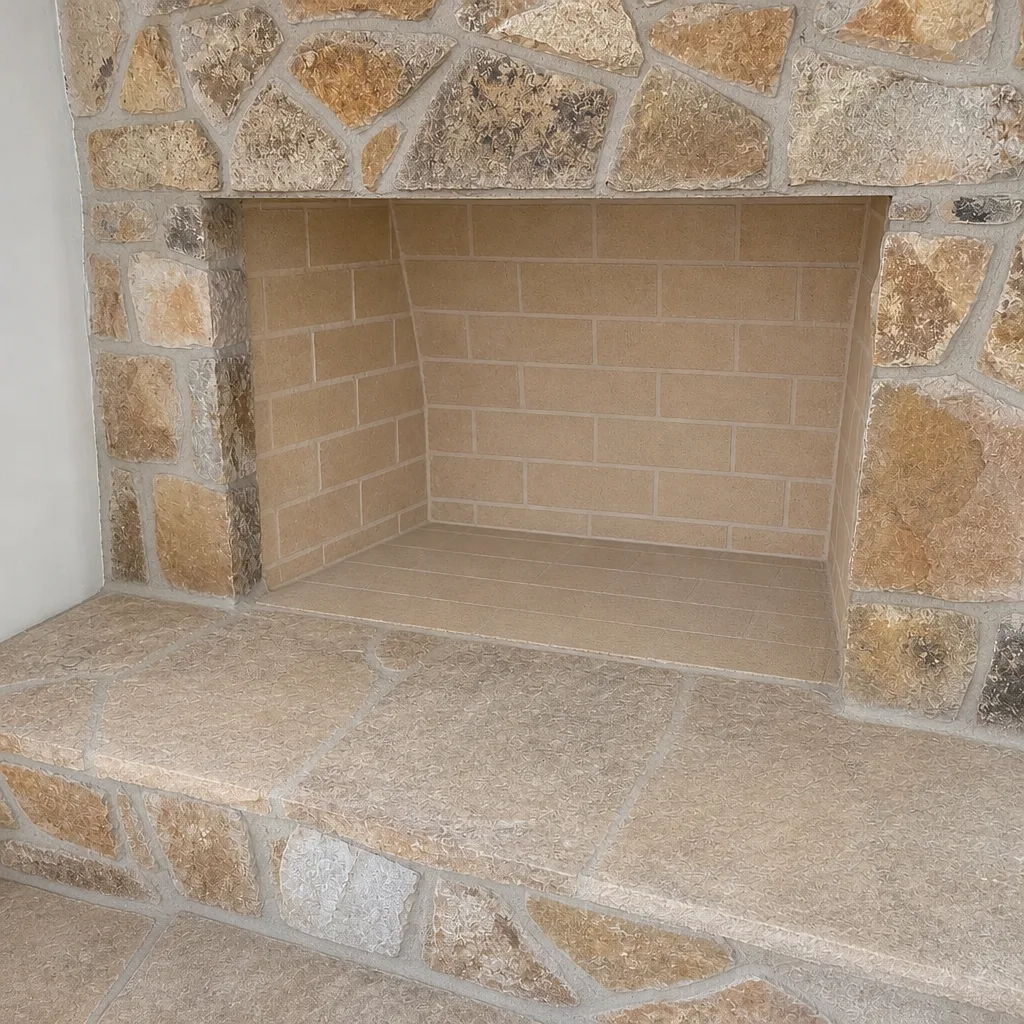
See the difference
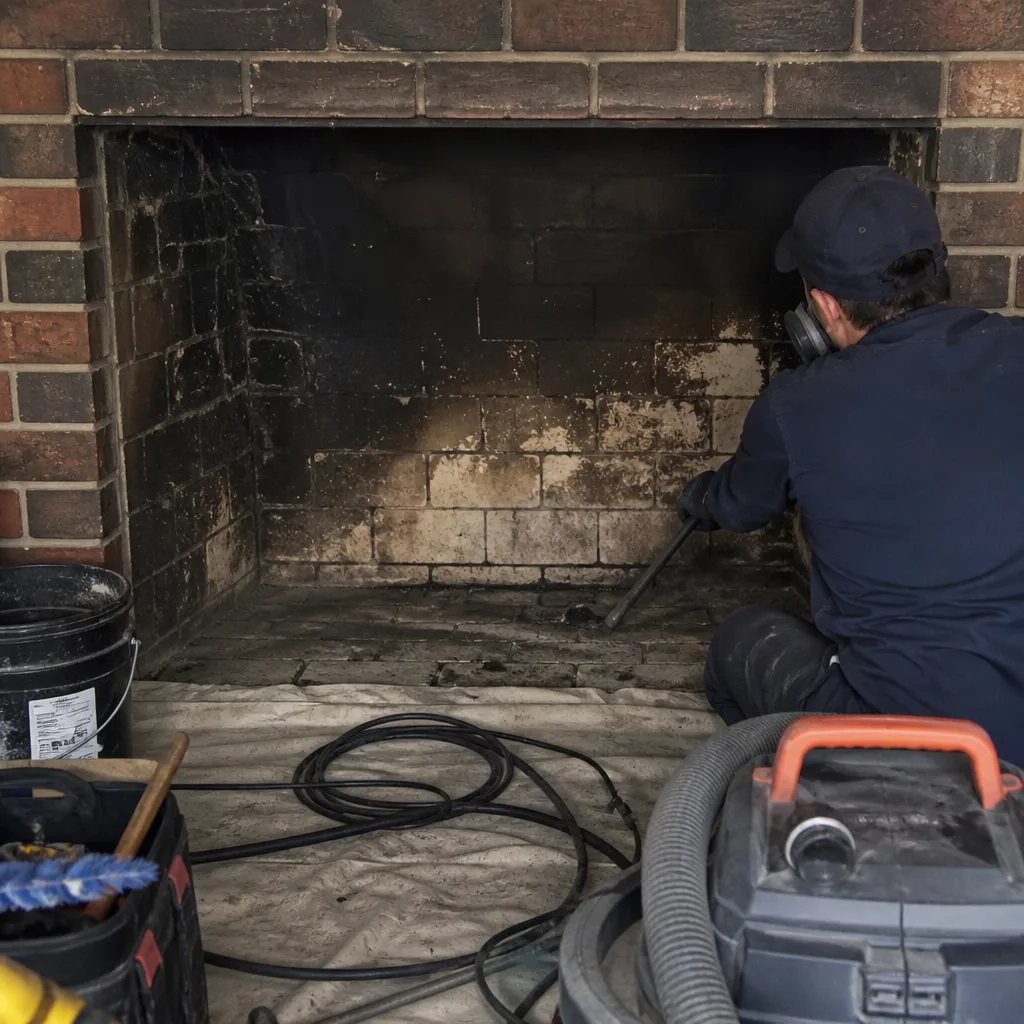 Before
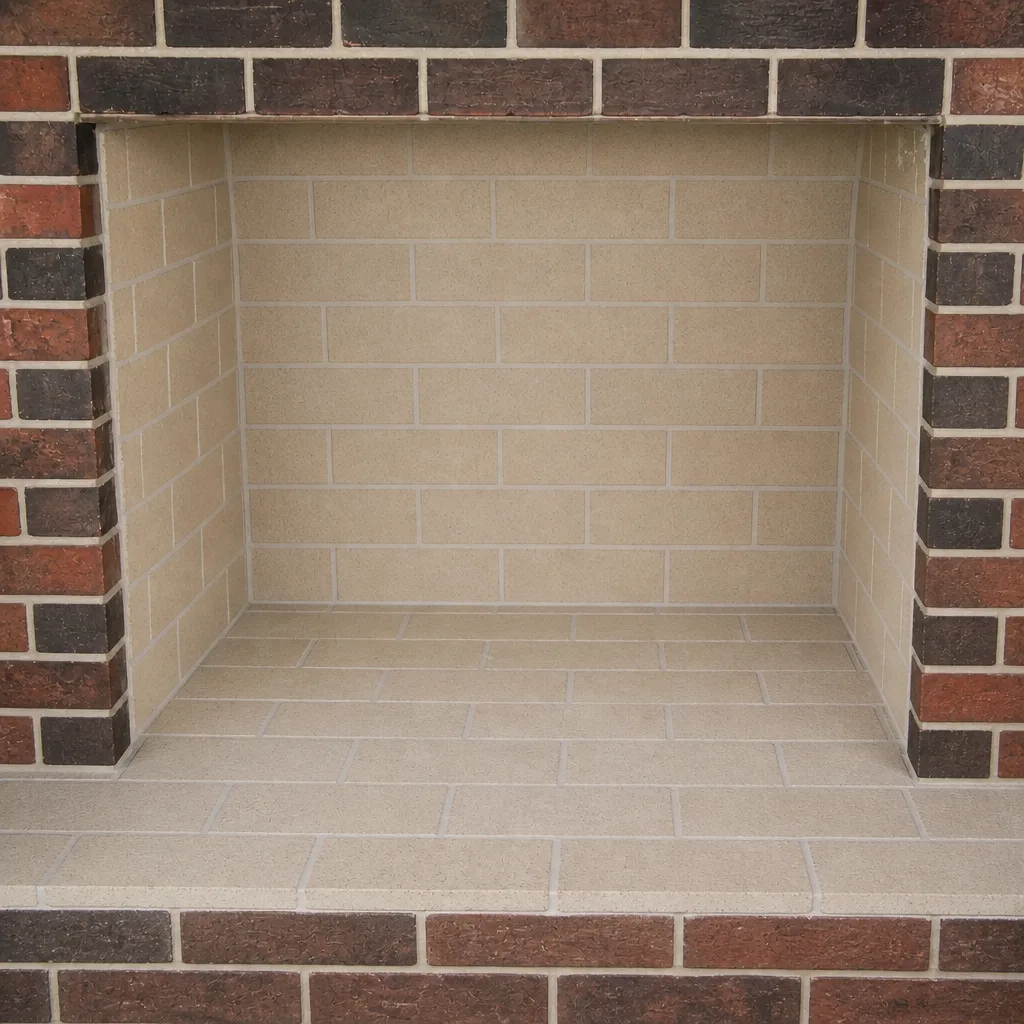 After
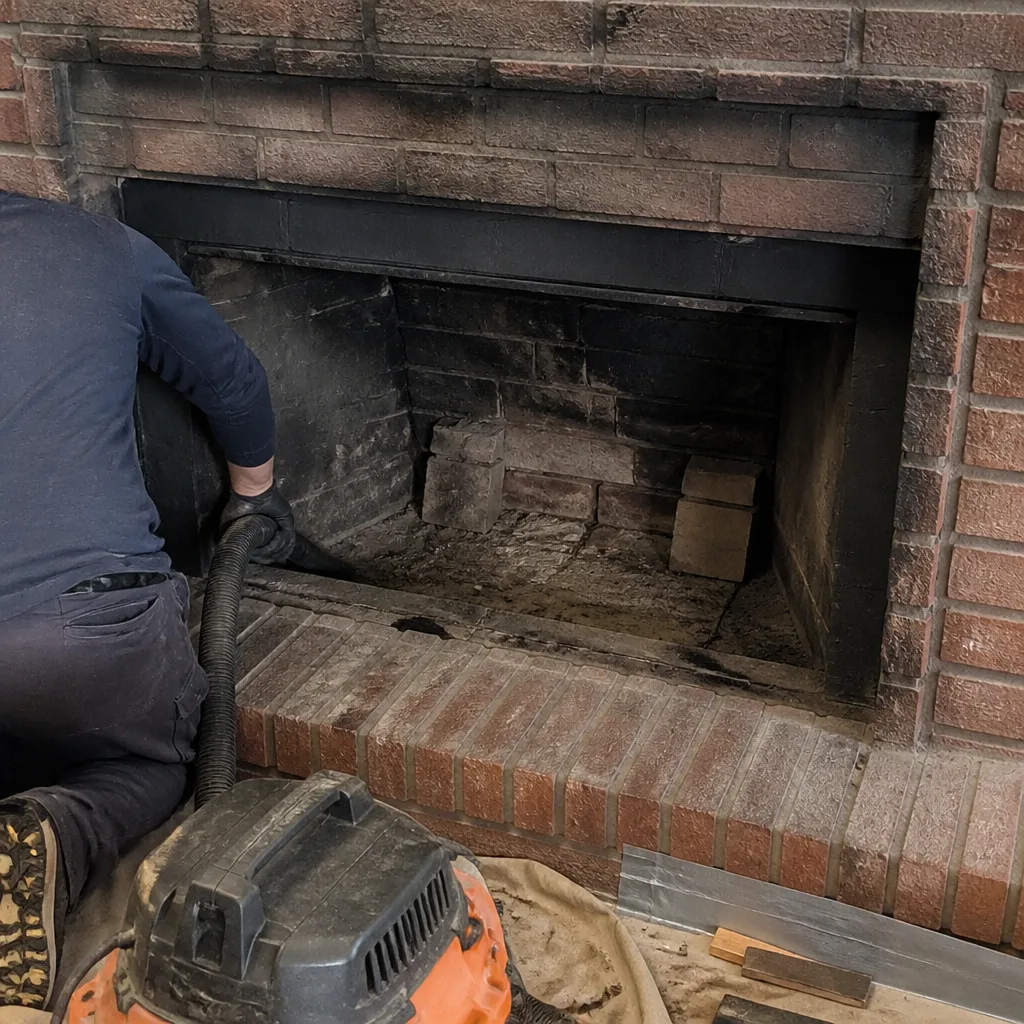 Before
 After
 Before
 After
When to Call a Professional
Call a chimney professional if any of the following is true: your flue hasn’t been swept in the last twelve months, you can’t confirm a cap on every flue from the ground, you’ve had a chimney fire, the crown is cracked, or you’re building an insurance file and want a baseline inspection report. Call if you’ve smelled a strong creosote smell during a fire, if the fireplace smokes back into the room, or if you’ve noticed any change in how the fireplace draws. Chimney Sweep Laguna Hills offers free estimates in Laguna Hills, and every recommendation we make is backed by a camera scan you can see for yourself. Call (855) 726-8035. We answer 24/7, and dispatch runs 7am to 7pm, Sunday through Friday.
Frequently Asked Questions
Once a year if you burn regularly, and once a year regardless if your home is in a wildfire interface zone, because the cap and crown check is part of the visit. Creosote accumulates at a rate that depends on burn frequency and wood seasoning, and an annual sweep catches the buildup before it becomes a chimney fire risk. Call (855) 726-8035 for a free estimate, and we’ll tell you what your flue actually needs.
Yes. An uncapped flue is an open pipe from outside air into your attic and living space, and wind-driven embers are small enough to enter it. A properly fitted cap with an intact spark arrestor screen closes that pathway and improves draft at the same time. It’s a low-cost item with an outsized effect on your home’s ignition risk, and it’s worth confirming on every flue before fire season.
Get everyone out of the house and call 911 from outside, then don’t go back in for anything and wait for the fire department. Do not pour water down the flue, which can crack the masonry and send steam and debris into the room. Even a suspected contained fire is worth a 911 call, because the alternative is a fire in your attic that you can’t see. Call (855) 726-8035 after the fire department clears the scene, and we’ll walk you through the Level 2 inspection.
No, not until a Level 2 inspection with a camera scan confirms the flue is sound. The fire can crack clay tiles, buckle steel liners, and open joints in ways you can’t see from inside the room. Some flues come through a chimney fire intact and just need a sweep and glaze removal. Others need relining. The camera scan is the only way to know which, and the written estimate that follows is based on what the scan shows. Call (855) 726-8035 to schedule the inspection.
You don’t strictly need one, but a dated inspection report and photos make a claim much easier to substantiate. If your chimney’s condition is documented before an event, the insurer has no reason to dispute pre-existing condition versus event-caused damage. Assemble the file before fire season and store it where you can reach it from your phone. Call (855) 726-8035 for a free estimate on the inspection.
A sweep physically removes creosote, soot, and debris from the flue, firebox, and smoke chamber. An inspection assesses the condition of the flue, cap, crown, and other components, and a Level 2 inspection adds a camera scan of the flue interior. Most visits combine both, because you can’t inspect what hasn’t been cleaned and cleaning is more useful when it comes with a condition report. Call (855) 726-8035 for a free estimate on either.
The Bottom Line
Chimney preparedness in Laguna Hills is a set of specific, doable steps: sweep the flue, confirm a spark arrestor cap on every flue, check the crown and flashing, photograph everything, and keep the file where you can reach it during an evacuation. Do this before September 1. If a chimney fire happens, 911 first, Level 2 inspection before the next fire, no exceptions. The work is small next to what it prevents, and none of it requires guesswork. We show you what we find, in photos and video, and the written estimate sets the final price. Call (855) 726-8035. We answer 24/7, and dispatch runs 7am to 7pm, Sunday through Friday.
Written by the team at Chimney Sweep Laguna Hills.