
Last updated November 25, 2026
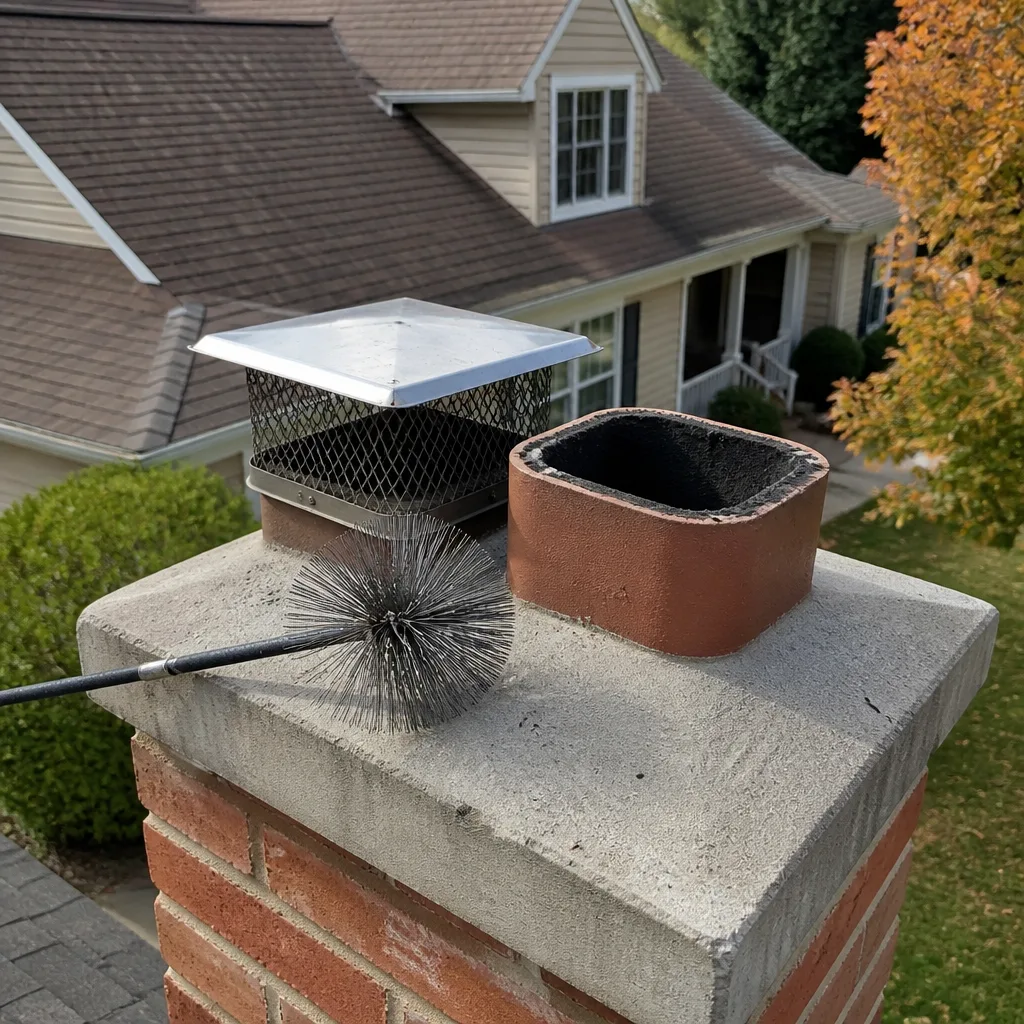 Sweep & inspection
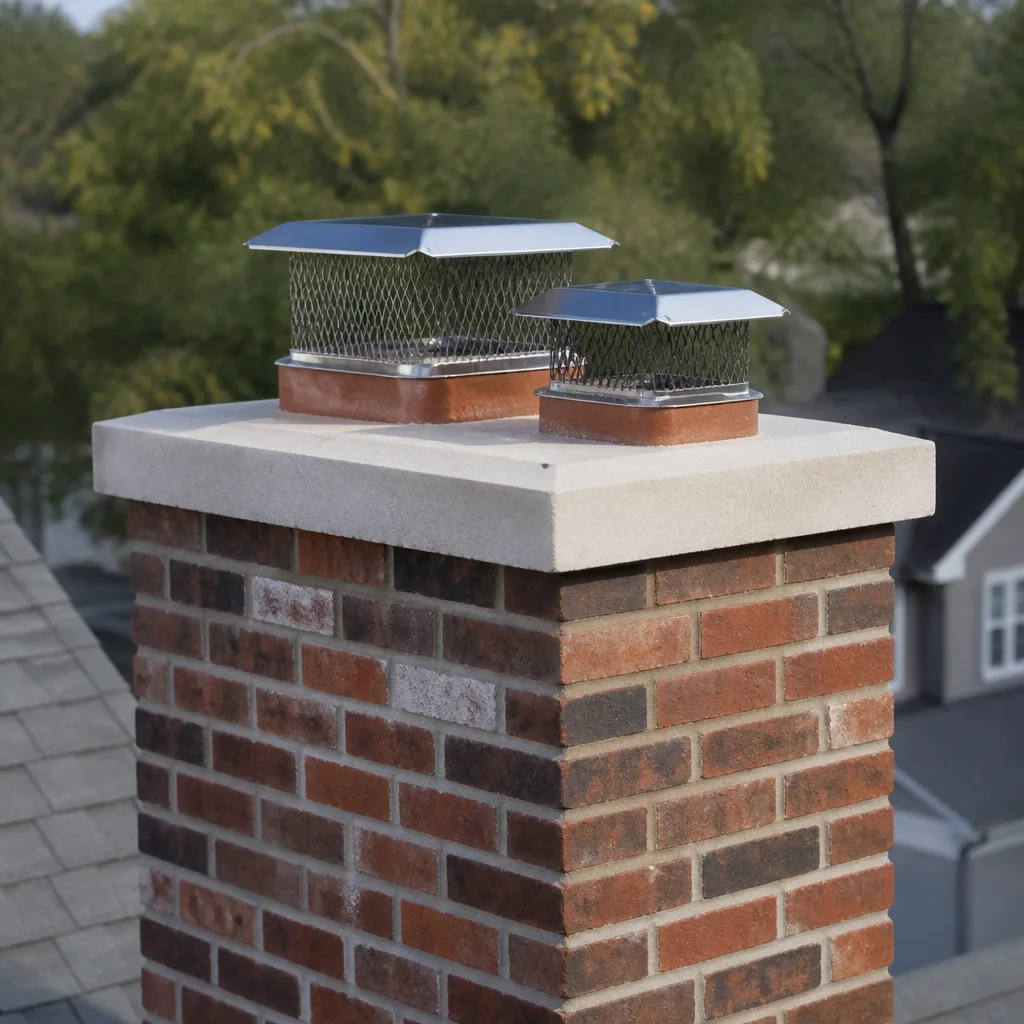 Caps & crowns
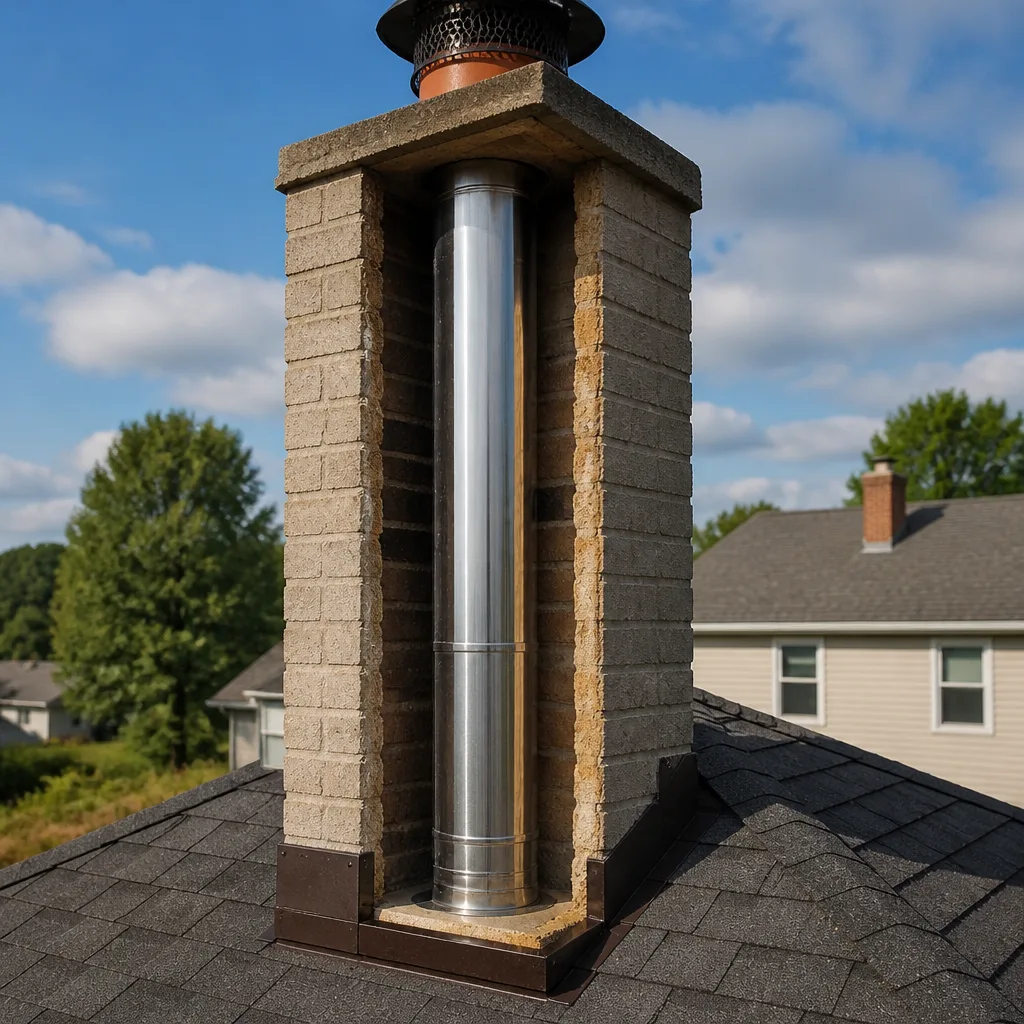 Flue relining
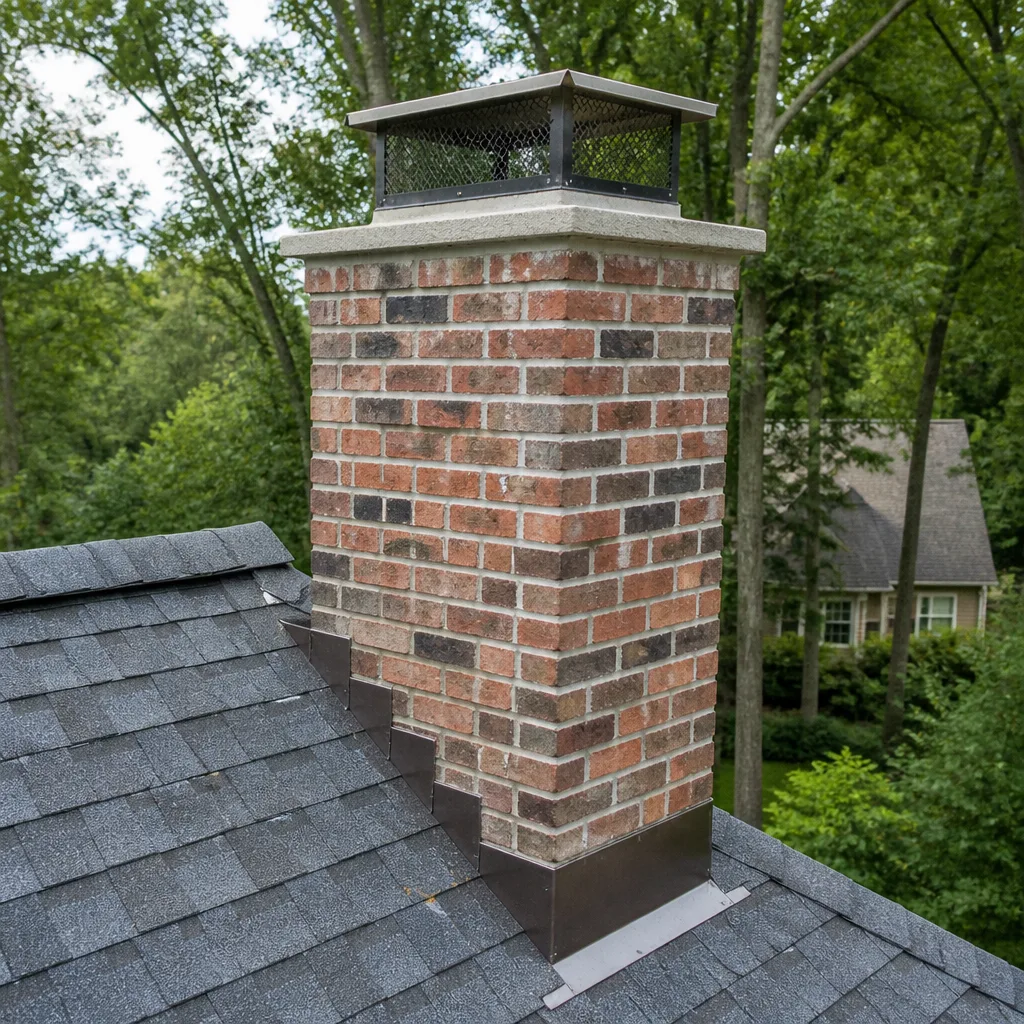 Masonry repair
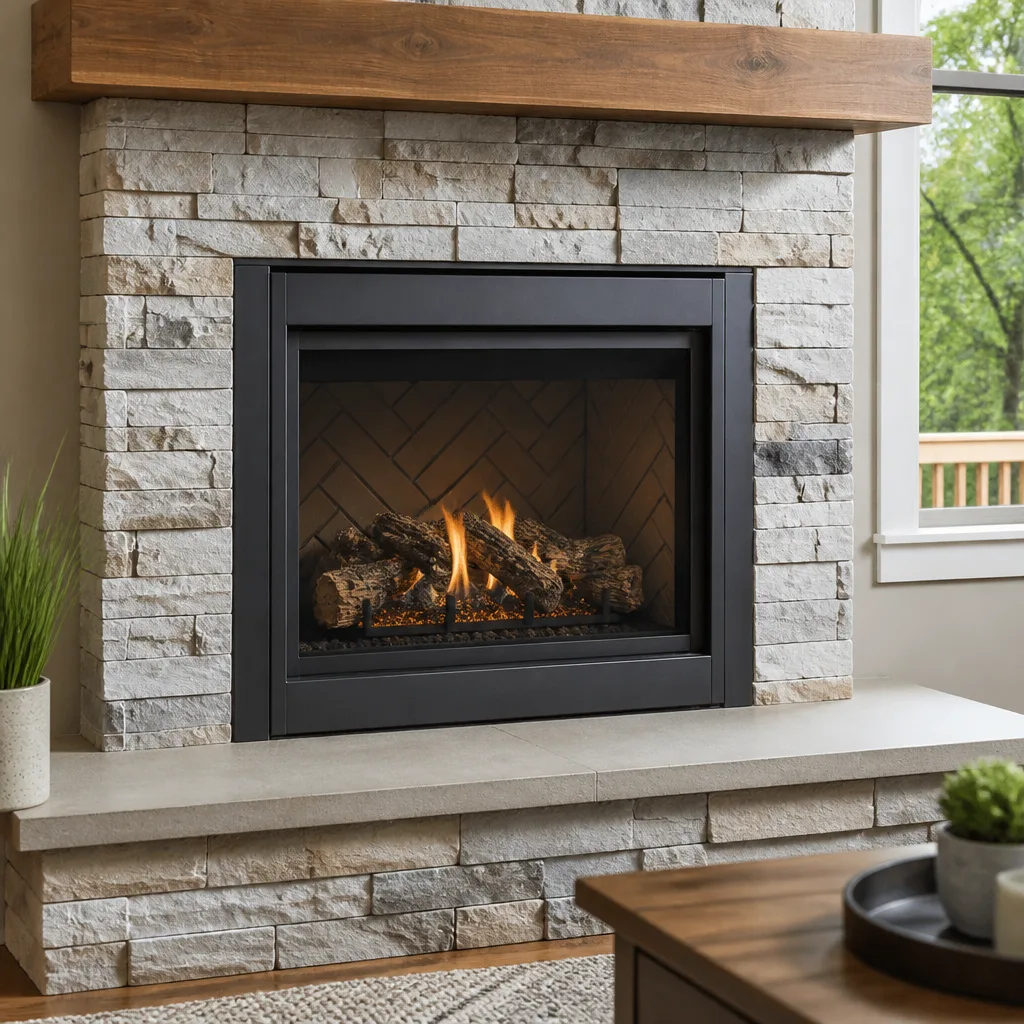 Gas fireplace service
Level 1 sweep and inspection to the NFPA 211 annual standard - flue, crown, cap, and flashing checked and photographed
Chimney sweep logs do not sweep chimneys. They loosen some creosote - which then falls where a brush and vacuum still have to collect it.
Chimney Cleaning Warning Signs: A Laguna Hills Homeowner’s Reference Guide
Most chimney problems don’t announce themselves with a bang or a plume of smoke in the living room. They start as a smell you can’t place, a fire that takes longer to catch than it used to, or a faint white bloom on the firebrick you keep meaning to wipe off. Homeowners in Laguna Hills tend to notice these things and then talk themselves out of them, which is exactly when a small cleaning turns into a structural bill. This guide is about reading the early signals your flue is already sending, in the order they usually show up. By the end you’ll know which warning signs mean “schedule a sweep soon” and which mean “stop burning in that fireplace today.”
Quick Answer
The most reliable chimney cleaning warning signs are a smoky or acrid smell when the fireplace is cold, smoke that spills into the room instead of drafting up, slow or reluctant ignition, dark glazing or flaking on the flue walls visible with a flashlight, spalling firebrick, rust streaks, and white efflorescence staining. Any one of these suggests creosote buildup, moisture intrusion, or a draft obstruction that a professional chimney inspection should evaluate before you light another fire. If you see glazed creosote, a cracked flue tile, or smoke backing into the house, stop using the fireplace and call a sweep.
Styles & brands we work with
- Sweep & inspection
- Caps & crowns
- Flue relining
- Masonry repair
- Gas fireplace service
Table of Contents
- Why the Most Serious Signs Are the Quietest
- Reading Odor: Creosote, Animals, Moisture, and Masonry
- What the Inside of the Firebox Is Telling You
- Draft and Smoke Behavior Translated
- How Laguna Hills Wind Patterns Mimic Chimney Problems
- Watch-and-Monitor vs. Stop-Burning-Now
- The Seasonal Inspection Calendar for Laguna Hills
- Common Mistakes to Avoid
- When to Call a Professional
- Frequently Asked Questions
Why the Most Serious Signs Are the Quietest
A chimney fire is loud. A chimney that’s heading for one is not. The trouble with creosote is that it builds up invisibly, layer by layer, and the stages that matter happen long before anything dramatic occurs. Stage-one creosote is soft and sooty and cleans off with a standard brush. Stage-three is a glazed, tarlike coating that’s essentially a fuel deposit bonded to the flue wall, and it doesn’t brush away. The gap between those two stages is measured in seasons, and it closes quietly.
What that means for a homeowner in Laguna Hills is that you should be reading your fireplace the way you read your car’s dashboard, not the way you read a smoke alarm. The signals are there, but they’re small.
Here’s the pattern we see most often: a homeowner burns through two or three winters without a sweep because nothing seemed wrong, then notices a smell in the fall and assumes it’s the neighbor’s yard work or the marine layer burning off. By the time the smell is impossible to ignore, the creosote has moved past the stage where a routine cleaning is enough. A chimney sweep that would have handled a light flue deposit now turns into a conversation about resurfacing or relining, because the deposits have started to attack the flue liner itself.
The rest of this guide works through the warning signs in the order they tend to appear. Odor first, because it’s usually the earliest and the most frequently dismissed. Then visual signals inside the firebox, then draft and smoke behavior, then the local wind patterns that can imitate all of the above.
Reading Odor: Creosote, Animals, Moisture, and Masonry
A smell is the earliest chimney warning sign most Laguna Hills homeowners get, and it’s also the one most often misdiagnosed. The key is that different problems produce distinctly different odor profiles. If you can describe the smell accurately, you’ve done half the diagnostic work.
What each odor usually points to
- Smoky, acrid, campfire-like smell on a warm day with no fire burning. This is creosote off-gassing. The deposits in the flue absorbed moisture and volatile compounds over the summer, and as temperatures rise they release those compounds back into the house through the firebox. The smell is strongest on still, warm afternoons and right before the first cool evening of fall. This is the classic signal that a sweep is due before the burning season starts.
- Sharp, ammonia-tinged, or urine-like smell. Animal intrusion. Birds, squirrels, and occasionally bats get into uncapped flues and nest, and their droppings plus nesting material produce an odor that has nothing to do with creosote. It’s often accompanied by scratching or fluttering sounds, and it’s a particular risk in neighborhoods backing onto open space.
- Damp, musty, wet-basement smell. Moisture intrusion. This doesn’t have to mean a leak in the roof. A missing or damaged cap, a cracked crown, or deteriorated mortar at the chimney top lets water in, and the flue stays damp long after the rain stops. A chimney repair inspection is the right move here, not a sweep.
- Dry, dusty, chalky smell mixed with a faint burning-stone note. Masonry deterioration. Crumbling mortar and spalling brick release grit and dust into the firebox, and the smell tends to be milder but persistent. It’s a sign the chimney’s structural skin is failing, not just its interior.
If you’re not sure which category your smell falls into, don’t guess. Tell us what you’re smelling when you call and we can usually narrow it down before anyone arrives. We show you what we find once we’re there, camera inspection and photo report included, so the diagnosis is something you can see for yourself rather than something you have to take on faith.
What the Inside of the Firebox Is Telling You
Open the firebox door with a flashlight on a cold morning and you can read a surprising amount of the chimney’s condition. You don’t need to climb anything or reach into the flue. Just look at the firebrick, the damper, and the metal surfaces.
Spalling firebrick
Firebrick that’s flaking, pitting, or crumbling at the surface is spalling, and it’s a structural warning, not a cosmetic one. Firebrick is what protects the steel or masonry behind it from direct flame contact. When it breaks down, that protection goes with it. If a firebrick is loose enough to rattle or has a visible crack running through it, that’s a stop-using-it sign until a professional has looked at it. A fireplace repair visit should come before the next fire.
Efflorescence
That white, powdery bloom on the brick or firebox surround is efflorescence, and it’s the calling card of moisture moving through masonry. Water dissolves salts inside the brick, travels to the surface, and leaves them behind as it evaporates. Efflorescence on the outside of the chimney or around the firebox almost always points to water getting in somewhere higher up, usually at the crown or the cap. It’s a watch-and-monitor sign in its early stages, but it should never be ignored indefinitely.
Rust streaks
Brown or orange streaks on the firebox, damper, or any metal component mean water is coming into contact with steel. On a damper, that rust will eventually seize the mechanism. On the firebox panels, it means the metal is degrading where it needs to be intact. Rust streaks from the top of a chimney downward, visible from outside, indicate the chase cover or cap has failed. A properly fitted chimney cap and crown using Gelco or Copperfield components is engineered for exactly this problem: weather exclusion without choking the draft.
Glazed or glossy creosote
If you can see into the flue with a good flashlight and the interior looks shiny, glassy, or tarlike rather than matte black, that’s stage-three creosote. It’s a fuel source. Stop burning until it’s been swept and evaluated.
Draft and Smoke Behavior Translated
Draft problems show up in the way a fire behaves, and the patterns are worth learning. Each one points in a slightly different direction.
- Back-puffing. Smoke pulses out of the firebox in rhythmic bursts, usually right after you add a log or when the fire is at its hottest. This often means the flue is undersized for the fireplace opening, or that a deposit at the top of the flue is interfering with the draft. Back-puffing is the most common symptom we’re called out for, and it’s frequently fixable with a sweep and a draft check.
- Slow ignition. The kindling takes much longer to catch than it used to, or the fire smolders before it takes. A cold flue drafts poorly, but a flue that’s consistently reluctant all season long is telling you the airflow is restricted. Deposits, a partially blocked cap, or a nest can all do this.
- Smoke hugging the ceiling. Instead of rising straight up into the flue, smoke rolls out along the ceiling. This is a strong draft failure signal. It could be negative pressure in the house from a kitchen fan, a cold chimney that hasn’t warmed up, or an obstruction at the top. If it happens every time you light a fire, don’t just open windows and get on with it. Get it checked.
- Smoke smell in upstairs rooms. A smell in an upstairs bedroom during a fire means smoke is escaping somewhere other than the flue. That’s a structural concern, not a habit concern.
Draft and smoke behavior changes are worth logging. If a fire that drafted perfectly last winter suddenly back-puffs in the first cold week of November, that’s a signal that something inside the flue changed during the off-season.
How Laguna Hills Wind Patterns Mimic Chimney Problems
This is the part of the guide most homeowners don’t hear, and it matters here specifically. Downslope Santa Ana winds produce sustained, sometimes gusting pressure changes against a chimney’s exterior, and those pressure changes can create the appearance of a draft problem when the draft itself is fine.
The giveaway is timing. A chimney problem that only appears during a Santa Ana event and behaves perfectly the rest of the season is almost certainly being affected by external pressure, not by a blockage or a deposit. A genuine draft problem shows up consistently: on still mornings, on overcast days, in the middle of the season, not just when the wind is against your roofline.
How to tell the difference
- Wind-only back-puffing. If the fireplace backs up only when a strong downslope wind is running, and drafts cleanly when the wind drops, the flue is doing its job and losing to outside pressure. A wind-tolerant cap can often solve this. If it happens on still days, the flue needs a sweep or an inspection.
- Wind-plus-smell. If the wind brings a smoky smell down the chimney when there’s no fire burning, you’re getting a cold downdraft. That’s normal during strong wind, but if it’s happening with any regularity, the cap should be evaluated for the way it handles backflow.
- Wind-plus-ignition failure. A fire that won’t light at all during a Santa Ana, but lights fine in calm weather, is a draft signature. A fire that struggles to light any day is a flue signature.
Because Laguna Hills sits on the inland side of the coastal hills, changes in temperature and wind direction can shift a chimney’s behavior day to day. That’s why a sweep should not be diagnosed on a single morning’s performance. Note the pattern. If you’re seeing consistent trouble outside of Santa Ana events, that’s when a sweep makes sense.
Watch-and-Monitor vs. Stop-Burning-Now
The hardest part of reading chimney warning signs is knowing which ones are urgent. Here’s how we sort them.
Watch-and-monitor signs
- Faint creosote smell in early fall, with no fire burning.
- A slower-than-usual ignition on cold mornings, but the fire eventually catches and drafts cleanly.
- Occasional efflorescence on the exterior, with no visible rust or interior water staining.
- A single incident of smoke spilling into the room during a windy day, with no repeat since.
Stop-burning-now signs
- Glazed or glossy creosote visible inside the flue.
- A cracked, broken, or displaced flue tile.
- Back-puffing smoke into the living space, especially on a fire that’s already hot.
- Firebrick that’s loose, cracked through, or breaking away from the firebox wall.
- A strong, persistent, sharp smell in the house even when no fire has been lit for months.
- Any suspicion that a flue fire has already occurred. A loud roaring sound, a rapid heat surge, or scorched material at the top of the chimney.
Creosote ignition is the reason this distinction matters. Chimney fires can crack flue tiles and reach into the framing without the sort of visible smoke an untrained eye expects. If you’re unsure where a sign falls on this list, treat it as the more serious category and call. A sweep is quick, and the alternative isn’t.
The Seasonal Inspection Calendar for Laguna Hills
The best time to have a chimney looked at is before you need it. In Laguna Hills, that means late summer into fall, ahead of the first burn.
- Late summer (August and September): Call for a sweep and inspection. Deposits have had a full summer to cure and off-gas, so any weak spots inside the firebox are surfacing. Getting on the schedule before fall avoids the rush that arrives with the first cool snap.
- Early fall (October): If a sweep was done in late summer, use this window to address any recommended repairs. Cap, crown, damper, or liner work done before the season starts means you’re not trying to schedule it mid-season.
- Throughout the burn season: Watch for the draft and smoke behavior changes described earlier. If your fire starts behaving differently in mid-season, note the pattern rather than dismissing it.
- End of season (spring): Close the damper, but also have a look at the cap and crown from the ground. Winter rain that found its way into a failed crown will show up as rust streaks and efflorescence by mid-spring.
That last point is especially relevant here. Winters in Laguna Hills are mild, so we get the moisture without the deep freeze that would freeze-thaw it out of masonry quickly. Water that gets in during a rainy stretch has more time to move through brick. A Chimney Sweep Laguna Hills visit in late summer catches whatever that moisture has done before it turns into a bigger repair.
If you’ve never had the chimney inspected, or you’re moving into a house and have no record of one, treat the first year as a full diagnostic. A camera inspection and photo report tells you what you’re starting from.
Common Mistakes to Avoid
- Blaming a smell on the neighbors. That smoky smell on a warm day with no fire burning is usually the chimney, not the yard down the street. If it hangs around for more than a few days, assume it’s you and get it checked.
- Assuming a clean-looking flue is a clean flue. Creosote doesn’t always look dramatic from the firebox. It can be a thin dark glaze that a flashlight catches by accident. One of the most common problems we find is a homeowner who was confident the flue was fine and hadn’t looked inside in years.
- Using a chimney sweep-only call for a draft problem. If the symptom is smoke in the room, a sweep is the first step, but a sweep that’s not backed by a camera inspection and a draft evaluation is only half a diagnosis. Look for a sweep that includes inspection and photo report in the same visit.
- Skipping the cap because it “looks fine.” A cap that’s missing, bent, or partly blocked doesn’t always look wrong from the ground. Animals and rain get in through a cap that’s still there but not doing its job.
- Burning unseasoned wood to chase a draft problem. Wet wood produces more creosote, which worsens a slow draft rather than fixing it.
- Calling in a general handyman for a liner repair. Flue relining has to fit the flue. A generic repair can pass a quick look, but the fit issue that caused the draft will come back. We use pro-tier components like DuraFlex flexible liner systems and HeatShield resurfacing for exactly this reason: the liner matches the flue, not the other way around.
- Waiting until the first cold snap. That’s when everyone in Laguna Hills calls. Booking a sweep in late summer means the work is done before the burn season rather than after.
When to Call a Professional
Call us when any of the following is true: you’ve never had the chimney swept since you moved in, you’re seeing glazed creosote or a cracked flue tile, smoke is spilling into the room, there’s a persistent smell in the house when no fire has been lit, the cap is missing or damaged, or you can’t remember the last time anyone looked at the flue. Call us also if you’re not sure whether a warning sign is serious, because that uncertainty is exactly what a camera inspection resolves.
Chimney Sweep Laguna Hills offers free estimates in Laguna Hills. We work with professional-grade components from brands like DuraFlex, HeatShield, Gelco, and Copperfield, and our technicians have up to 15 years of experience reading exactly the kinds of signals described in this guide. Call (855) 726-8035 for an estimate. We answer 24/7. Fast dispatch from 7am to 7pm, Sunday through Friday.
Frequently Asked Questions
The most common are a smoky smell when the fireplace is cold, smoke spilling into the room during a fire, slow ignition that wasn’t there last year, dark glazing on the flue wall, spalling firebrick, rust streaks, and white efflorescence on the masonry. Any one of them is worth a professional inspection. Call (855) 726-8035 for an exact quote on a sweep and inspection. Estimates are free.
The general industry rule is once per year for a chimney in regular use, and more often if you burn heavily or notice any of the warning signs in this guide. If you’ve moved into a home with no record of a sweep, have it looked at before the first burn of the season. Call (855) 726-8035 to schedule.
Yes. A smoky or acrid smell on a warm day with no fire burning is typically creosote off-gassing as the deposits heat up. It’s the strongest signal that a sweep is due before the burning season starts. Call (855) 726-8035 for an exact quote. Estimates are free.
Timing is the giveaway. A problem that appears only during a Santa Ana event and behaves normally otherwise is usually pressure-related and often solved with a wind-tolerant cap. A draft problem that shows up on still mornings and overcast days is inside the flue and needs a sweep or inspection. Call (855) 726-8035 and we’ll help you sort out the pattern.
Creosote keeps accumulating in the flue, and at higher concentrations it becomes a fuel source that can ignite. A chimney fire can crack flue tiles, damage the liner, and in serious cases reach the framing. Skipping a sweep also risks water intrusion through a cap or crown you haven’t had evaluated. Call (855) 726-8035 for an inspection before the next burn.
It depends on the condition of the existing liner. HeatShield resurfacing restores a flue that’s structurally sound but has surface damage, and it’s often a lower-cost alternative to full relining. A flue that’s cracked through or badly deteriorated typically needs a DuraFlex flexible liner instead. We show you the camera footage and photo report before recommending either. Call (855) 726-8035 for an exact quote. Estimates are free.
No. Some chimney fires are quiet and short-lived, and a homeowner may not realize one happened until an inspection reveals a cracked tile. If you’ve heard a roaring sound from the chimney, seen a sudden heat surge, or noticed scorched material at the top, don’t light another fire until it’s been inspected. Call (855) 726-8035.
The Bottom Line
The chimney warning signs that matter most are the quiet ones: a smell in the off-season, a fire that takes longer to catch, a faint bloom of white on the brick, a rust streak you keep meaning to wipe away. Read them early and you keep the repair small. Ignore them through a couple of burning seasons and the same flue that needed a sweep can end up needing resurfacing or relining. In Laguna Hills, the mild winters mean moisture damage has time to work, and the downslope winds can imitate a draft problem that isn’t there. Learn the difference, note the pattern, and get the flue looked at before you need it. When you’re ready, call us.
Call (855) 726-8035 for a free estimate. We answer 24/7. Fast dispatch from 7am to 7pm, Sunday through Friday. We work with pro-tier brands like DuraFlex, HeatShield, Gelco, and Copperfield, and our technicians have up to 15 years of experience. Built to last, not patched to pass.
Written by the team at Chimney Sweep Laguna Hills.
See the difference
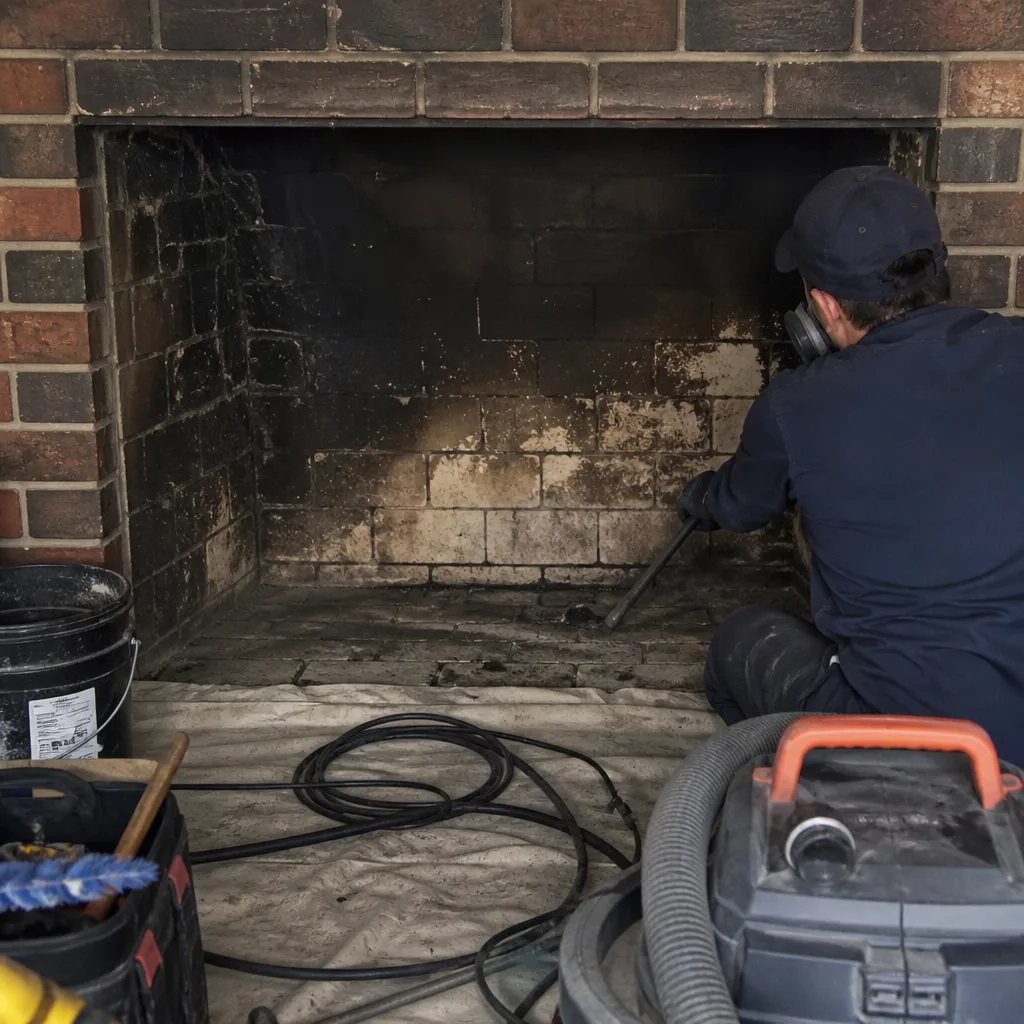 Before
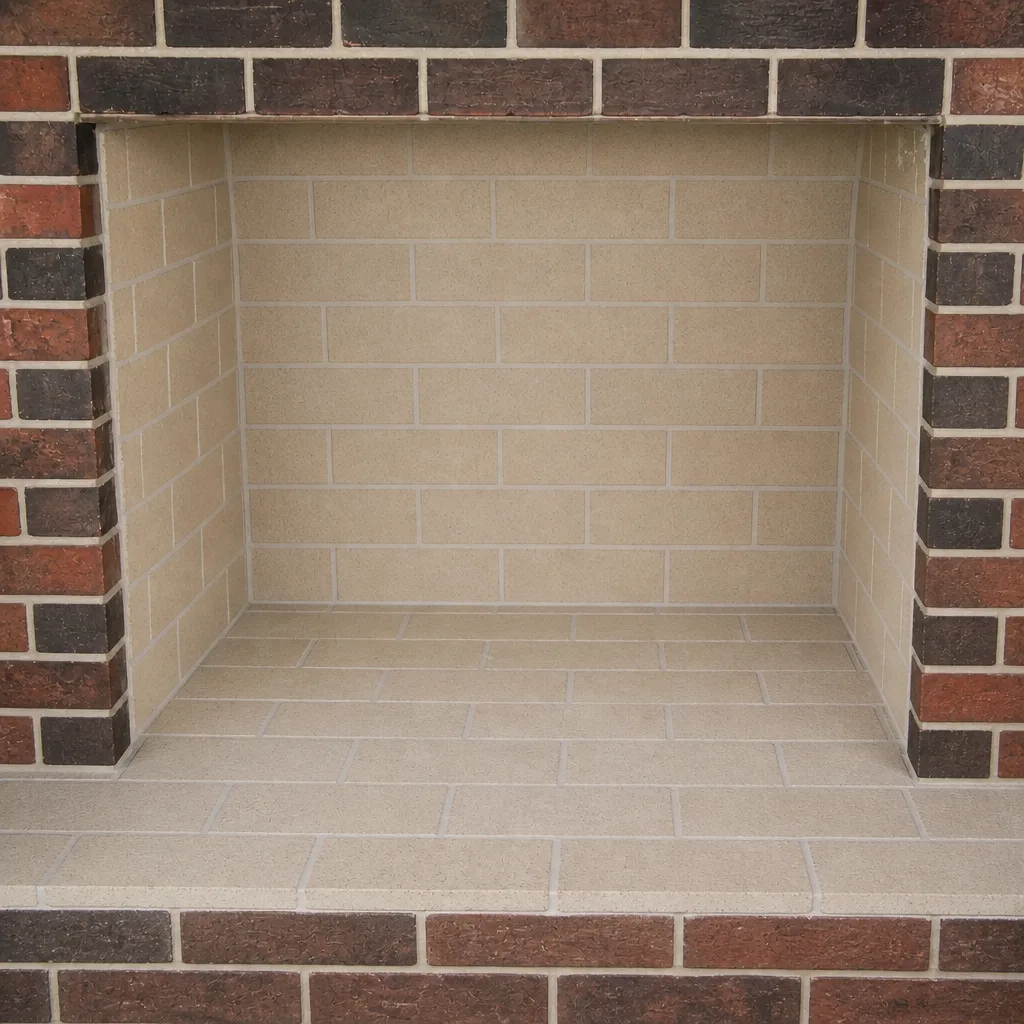 After
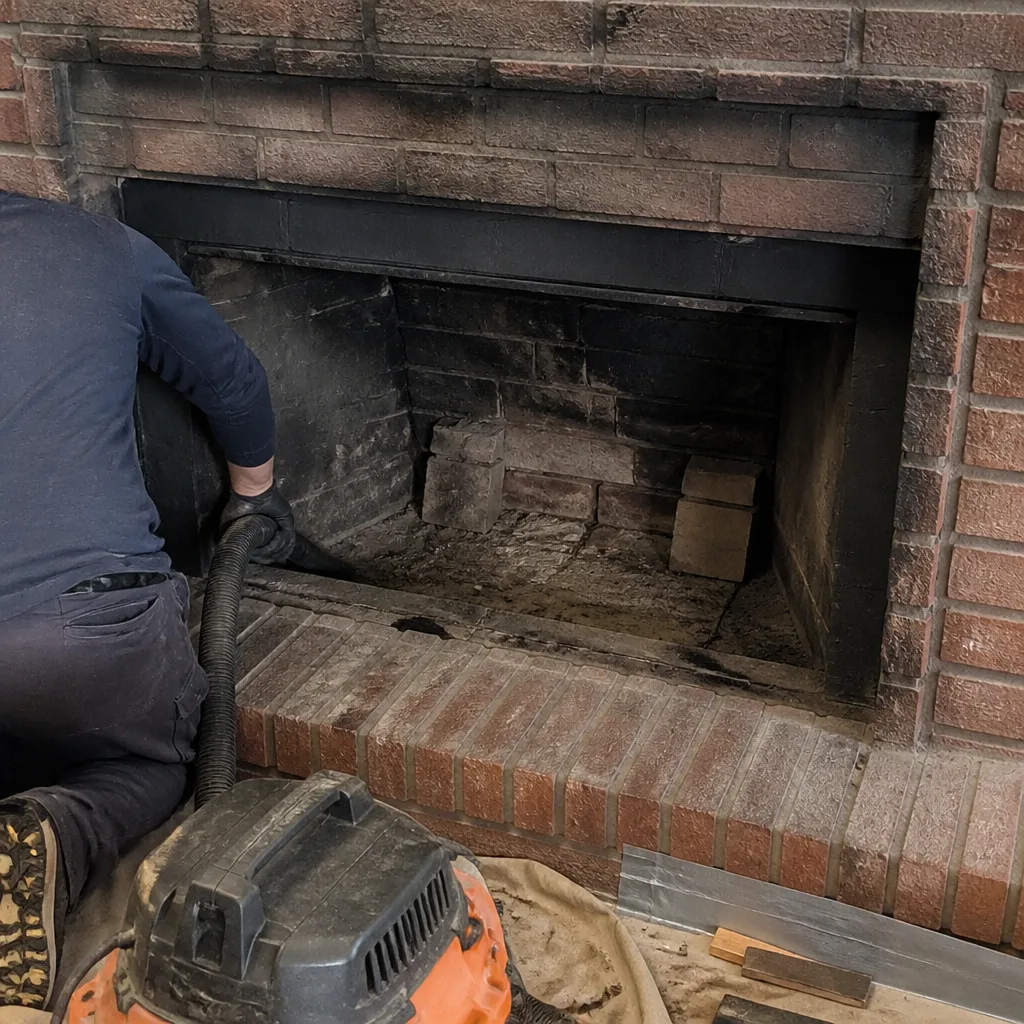 Before
 After
 Before
 After