
Last updated November 25, 2026
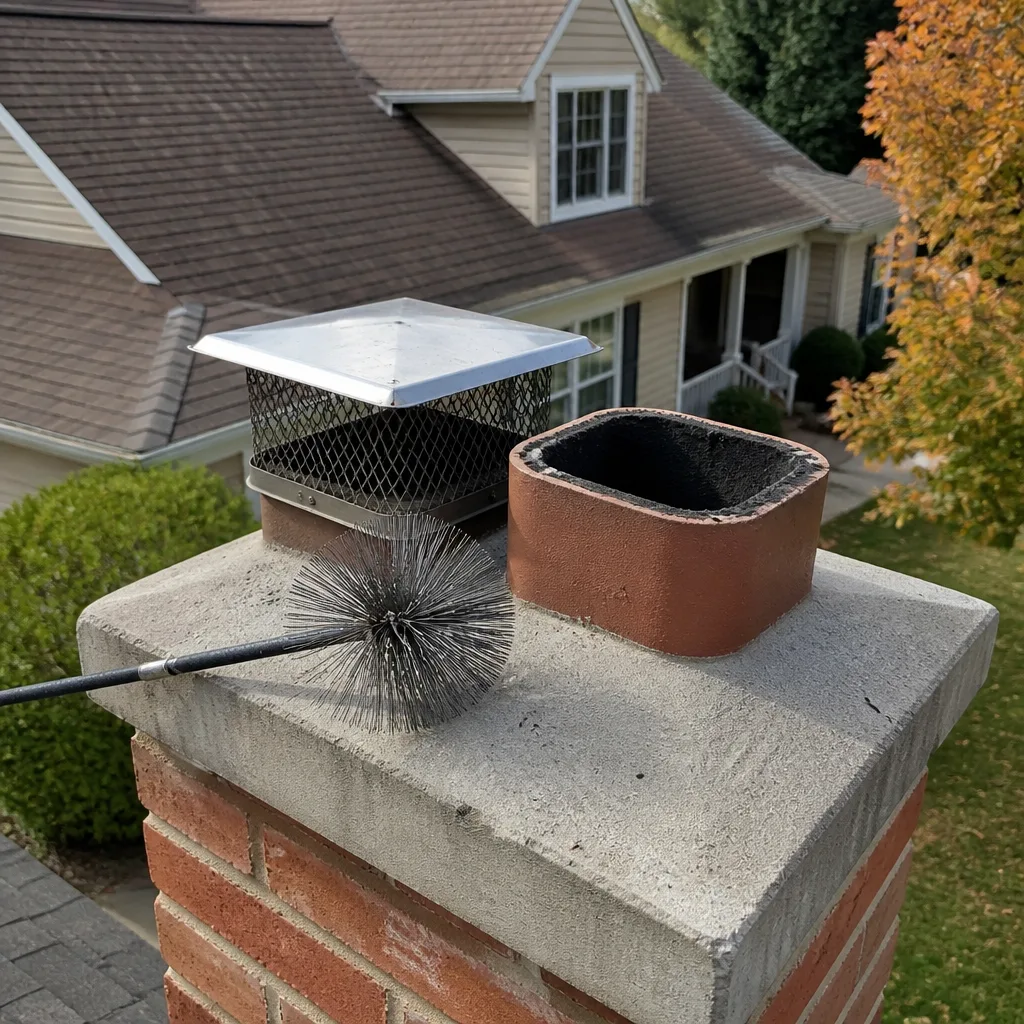 Sweep & inspection
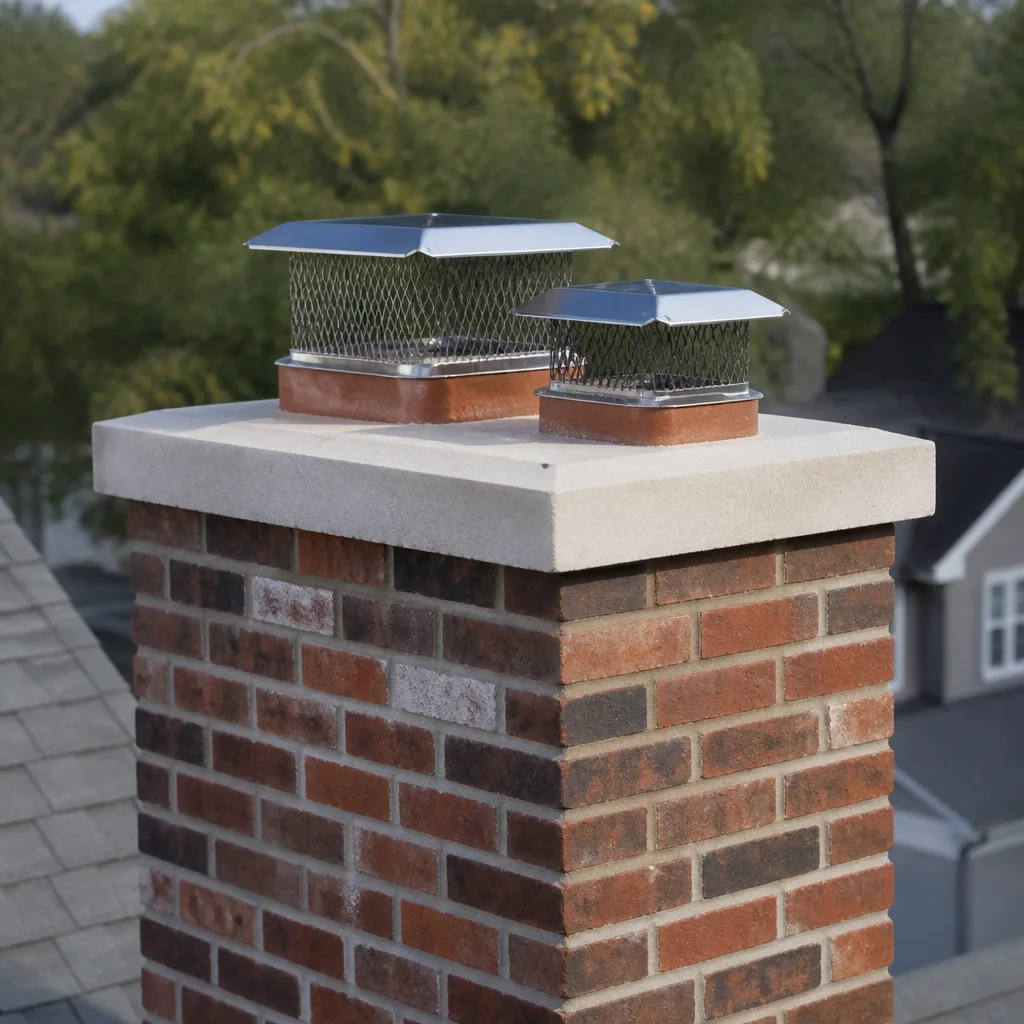 Caps & crowns
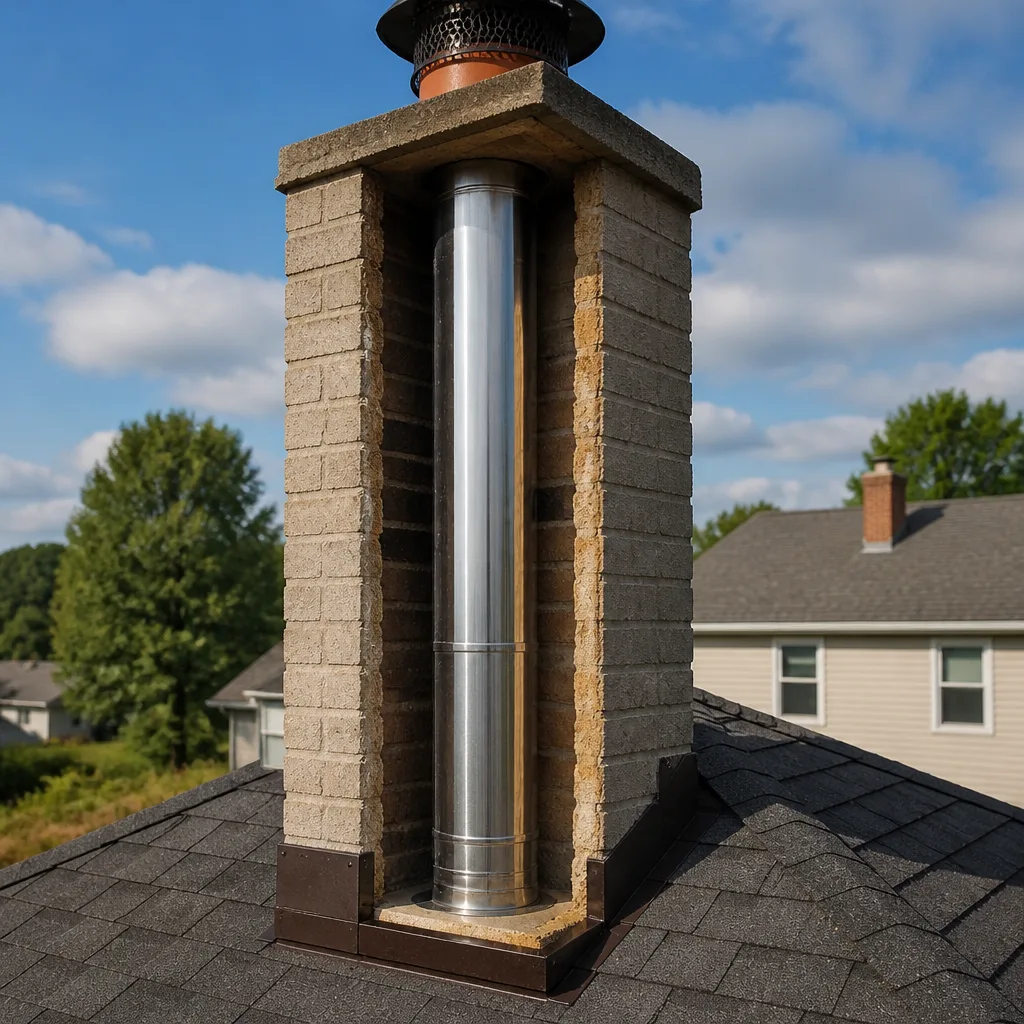 Flue relining
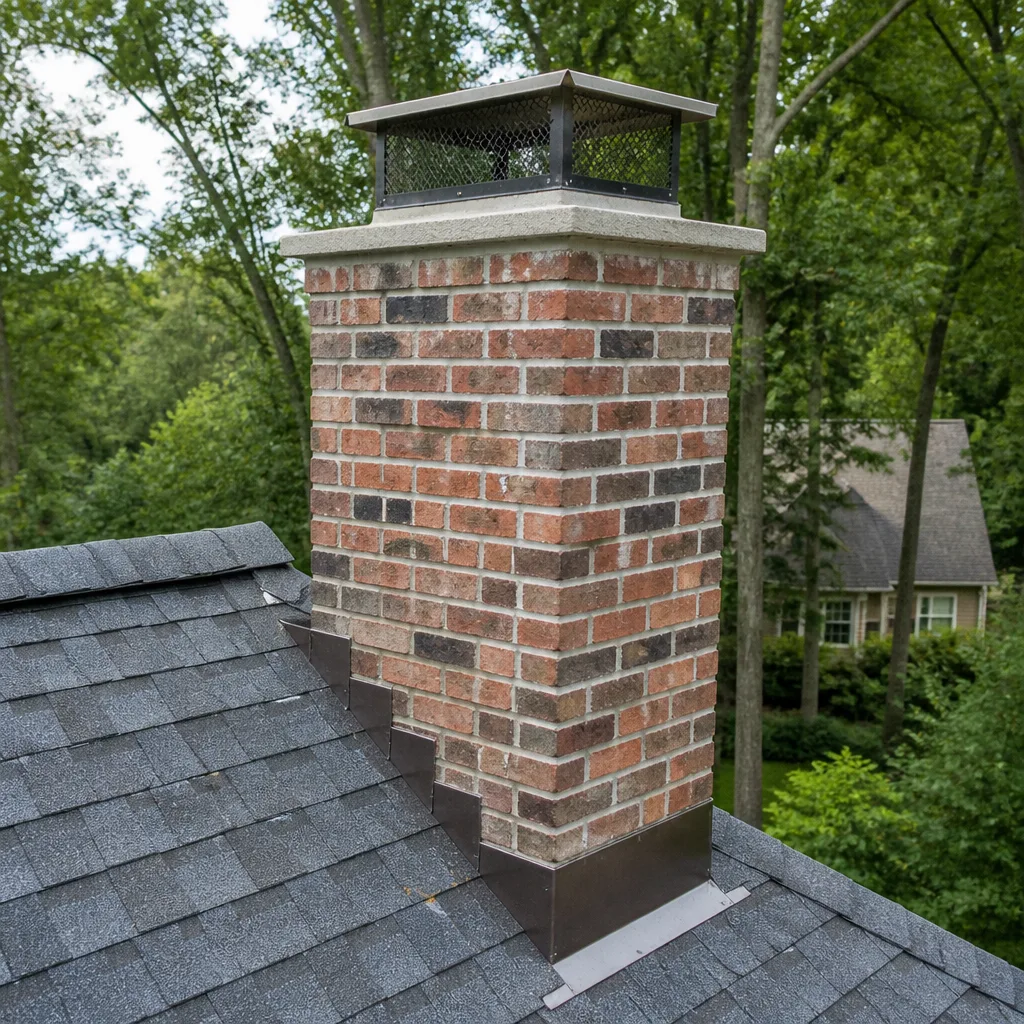 Masonry repair
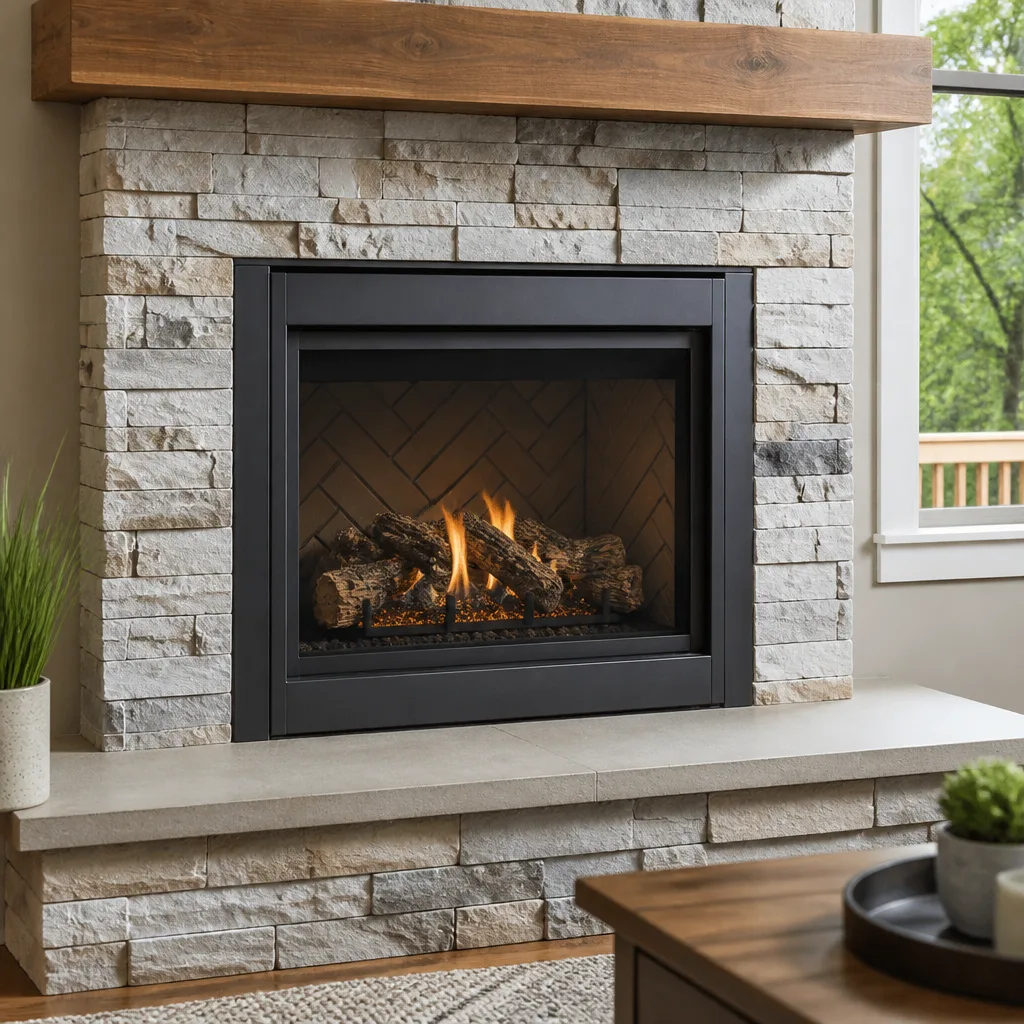 Gas fireplace service
Level 1 sweep and inspection to the NFPA 211 annual standard - flue, crown, cap, and flashing checked and photographed
Chimney sweep logs do not sweep chimneys. They loosen some creosote - which then falls where a brush and vacuum still have to collect it.
Choosing the Right Chimney Cleaning Brand: A Buyer’s Guide for Laguna Hills
Two contractors quote the same cap replacement at the same price. One installs a stainless cap built to hold up against the moisture a fireplace pushes up the flue, the other installs a galvanized cover that will show rust within a couple of seasons. The invoice looks identical, but only one of them will still be doing its job in a few years. That gap between what a part costs to buy and what it costs to replace is where most homeowners lose money on chimney work, and it’s rarely explained before the work begins. This guide fixes that. You’ll learn which brands matter in each product category, why stainless grade matters more here than in most of the country, and the exact questions that separate a contractor who uses professional components from one who buys whatever the local wholesale counter has on the shelf. If you burn wood in Laguna Hills, the decisions below will save you a repair down the road.
Quick Answer
The right chimney brands are the ones engineered for the specific role they play: professional-grade liners like DuraFlex and resurfacing systems like HeatShield for the flue, Gelco and Olympia Chimney components for caps and dampers, and stainless hardware for anything exposed to weather. Skip commodity parts and galvanized covers sold at big-box stores. The brand name matters less than knowing why a contractor chose it. A sweep who can name the brand, gauge and alloy going into your chimney, and explain why, is one worth hiring.
Styles & brands we work with
- Sweep & inspection
- Caps & crowns
- Flue relining
- Masonry repair
- Gas fireplace service
Table of Contents
- Why chimney brands matter as much as the labor
- The professional brands in each product category
- Why stainless steel grade matters in Laguna Hills
- How to ask a contractor what brand they’re installing
- Stocked professional components vs. per-job retail orders
- Where the professional-grade premium is worth it (and where it isn’t)
- Laguna Hills chimney conditions and what they demand
- Caps and crowns: the most overlooked purchase
Why Chimney Brands Matter as Much as the Labor
Most homeowners hire a chimney professional and evaluate them on labor: did they show up, did they sweep clean, did they charge the quoted price. That’s a reasonable place to start, but it misses half the job. The materials installed in a chimney determine how long the work lasts, and labor cannot compensate for a part that wasn’t built for the role. A properly installed galvanized cap will still rust faster than a stainless one. A correctly applied commodity sealant will still fail before a HeatShield resurfacing does in a flue that sees regular fire.
This is not a pitch for expensive parts across the board. It’s a request that you hold a contractor to the same standard of accountability on materials as on labor. In our experience across Laguna Hills, the homeowners who end up frustrated are almost always the ones who never asked what was going into their chimney. They got a clean sweep and a new cap, and three years later they’re paying again.
A chimney is a system, and every component in it amplifies or undermines the others:
- The liner contains the fire and directs exhaust. A thin, low-grade liner can fail at seams or at the top plate long before the flue tile behind it is ready to retire.
- The cap keeps water, animals and debris out while letting smoke escape. Cheap caps clog, rust or blow off in a wind event.
- The crown is the concrete or masonry cap at the very top of the chimney. Cracking here is the number one entry point for water that damages the flue from the inside out.
- Dampers and top-sealing hardware control airflow and stop energy loss when the fireplace is idle. Off-the-shelf units often fit poorly.
When one of these parts underperforms, the failure shows up somewhere else: a rusted damper causes a draft problem, a failed crown causes interior water damage, a thin liner fails at the very top where heat exposure is highest. The part was cheap; the consequence isn’t.
You don’t need to become a chimney engineer to buy smart. You need to know the categories, the brands that serve each one, and the questions that reveal whether a contractor is buying professional components or whatever’s in stock at the local distributor. That’s what the rest of this guide covers. For perspective on what a full Chimney Sweep Laguna Hills service should involve from a professional provider, that page lays out the full scope.
The Professional Brands in Each Product Category
Chimney products are not a single industry. Liners, resurfacing systems, caps, dampers and hardware are each served by different manufacturers with different engineering priorities. Knowing which brand belongs in which category is the foundation for holding a contractor accountable.
Liner systems
DuraFlex is a flexible stainless liner system used for relining and retrofit jobs, particularly in older or irregularly shaped flues where rigid liners can’t make the bends. It’s a professional-grade product specified when the flue geometry calls for a flexible approach rather than a rigid one. Olympia Chimney makes liner and venting components in the same professional tier, with particular strength in venting system hardware and top-of-flue terminations.
Flue resurfacing
HeatShield is a resurfacing system, not a liner. It’s applied to the inside of an existing flue to restore a smooth, continuous surface when the tile is cracked or spalling but the structure is otherwise intact. It’s an alternative to full relining, and the right fit depends entirely on the condition of what’s there. Qualified application requires inspection and judgment, which is why we only offer it as a HeatShield-certified application.
Caps, crowns and weather exclusion
Gelco and Famco make the stainless and powder-coated components that hold up in exterior exposure, including caps, crown flashing and top plates. These are the brands we work with for cap and crown installations in Laguna Hills because they’re engineered specifically for draft performance and weather exclusion, not just to look like a lid. That distinction matters more than most homeowners realize.
Dampers and top-sealing hardware
Top-sealing dampers and their associated hardware are typically sourced from the same brands that make the cap and termination assembly, for a simple reason: they need to fit together. A top-sealing damper from a different manufacturer than the cap it mounts under often leaks or binds. Olympia Chimney and Gelco both serve this role professionally.
Our company works with six professional brands across these categories: DuraFlex, HeatShield, Gelco, Olympia Chimney, Famco and Copperfield. Each is selected because it’s built for the role it fills. If a contractor can’t tell you the brand going into each of these categories in your specific chimney, that’s an important piece of information about how seriously they take materials.
Why Stainless Steel Grade Matters in Laguna Hills
Stainless steel is not one material. The grade determines how well a component resists corrosion over its life, and 304 versus 316 alloy is the most consequential difference in exterior chimney hardware. 304 is the standard grade used in most residential caps and liners. 316 is a higher-alloy stainless with better resistance to chloride exposure, which is why it costs more and lasts longer in environments with more corrosion pressure.
For Laguna Hills in particular, the combination of heat cycles from active fireplace use and general moisture exposure means a cap or a liner top plate is doing two jobs: containing hot exhaust during burns and sitting in ambient weather the rest of the time. A 304 cap is usually sufficient for most residential chimneys here. A 316 cap or liner is worth the upgrade when the flue sees heavy use, when the cap is more exposed to weather, or when the homeowner wants the maximum service life from a component that’s expensive to replace twice.
What almost never makes sense is a galvanized cover. Galvanized steel is zinc-coated and rusts early in any exterior application, particularly when it’s mounted above a flue where warm, moist exhaust rises past it constantly. It’s cheaper by a wide margin at the register and far more expensive over time. If a contractor proposes a galvanized cap in Laguna Hills, ask why. There may be a legitimate budget reason, but you should know you’re making a trade.
How to evaluate the stainless question
- Ask what grade of stainless the cap or liner is made from. If they say “stainless,” ask which grade.
- Ask what the expected service life is for that grade in your specific exposure. A professional will answer in a range, not a promise.
- Ask whether upgrading to 316 changes the install labor. It usually doesn’t; the material changes, not the installation.
- Write the grade into the estimate so the brand-and-grade combination is on record.
None of this is about buying the most expensive option in every case. It’s about making an informed trade. 304 stainless is fine for most Laguna Hills chimneys, and nobody should sell you 316 you don’t need. But you should be the one making that call, with clear information in front of you.
How to Ask a Contractor What Brand and Gauge They’re Installing
Here’s where homeowners get the most value per minute of effort. The brand-and-gauge question is short, and the answer tells you almost everything about how a contractor sources materials. A sweep who works with professional components will answer immediately with a specific brand. A sweep who orders whatever’s available will give you a vague response, and that vagueness is the tell.
The exact questions to ask before any material goes in
- What brand of liner are you installing? A specific name (DuraFlex, Olympia Chimney, etc.) means they’ve chosen it on purpose. “A high-quality stainless liner” means they haven’t.
- What gauge is the stainless? Professional liner systems are specified by gauge thickness. If the contractor can’t name it, they don’t know.
- What alloy grade, 304 or 316? See the previous section. The answer should explain why for your specific chimney.
- What brand of cap and crown will go on top? Gelco or Famco are the names we’d expect to hear from a professional.
- Is the cap stainless or galvanized? If galvanized, ask why. If stainless, ask which grade.
- Will the brand and grade appear on the written estimate? This is the most important question because it makes the answer enforceable.
Notice that none of these questions require technical knowledge. They only require the contractor to name names. A confident professional will appreciate being asked. A vague one won’t, and that’s useful information.
The written estimate is the real touchpoint. It’s the document that decides the job, and the material brand and grade should be in it. Not “chimney cap” but “Gelco stainless cap, 304 grade, model approved for 8-inch round flue.” That’s the level of specificity a professional estimate has, and it’s the level you should insist on. If you’re already working with a company for a larger chimney repair, the same standard applies to whatever’s specified there.
Stocked Professional Components vs. Per-Job Retail Orders
There’s a difference between a contractor who carries professional components as a matter of practice and one who orders each part one-off from a retail distributor. This isn’t about warehouse space or truck inventory. It’s about how materials get selected, how installs go, and whether warranty coverage will actually support you when something fails.
When a contractor works with a professional supply chain, three things change:
- Selection is intentional. The parts they bring are parts they’ve installed hundreds of times. They know how they fit, how they fail, and what to do when a flue doesn’t fit standard dimensions.
- Install quality is more consistent. Professional components come with the manufacturer’s installation specifications in hand, and a contractor familiar with the brand knows those specs cold. One-off retail parts often arrive with generic instructions or none at all.
- Warranty coverage is clearer. Professional-grade components come with manufacturer warranties honored through the trade supply chain. Retail parts bought at a big box and installed by whoever’s available often fall into a gray zone where nobody covers labor, and the material warranty is short.
The reverse is worth understanding too. A contractor who orders each part from a retail distributor on a per-job basis isn’t necessarily cutting corners. But they are making decisions job by job, without a consistent supply chain to stand behind. That’s a small difference on a simple part and a large one when the part is a custom-sized liner that has to fit precisely or it fails at the top plate three years later.
Ask the question directly: “Do you source from a professional chimney supply house or order from a general distributor per project?” The answer to that one question is a stronger signal of quality than a company’s marketing.
Where the Professional-Grade Premium Is Worth It (and Where It Isn’t)
Professional-grade isn’t the right answer in every category. Some parts reward the premium, and some mid-tier components perform essentially the same job at a lower price. Knowing which is which is where your money gets protected.
Worth the professional-grade premium
- Liners. A liner failure means the whole containment system has to come out and start over. DuraFlex or an Olympia Chimney system installed correctly is worth the price because the failure cost is so much higher than the part cost.
- Caps and top terminations. A cap that rusts, blows off, or clogs is a direct entry point for water and wildlife. Gelco and Famco stainless caps are the right call, and the grade upgrade to 316 is worth it on exposed chimneys.
- HeatShield resurfacing. When the flue is a candidate for HeatShield, it typically saves thousands compared to a full reline, and a non-certified application may not hold. Qualified application is the point, not the savings.
- Crown materials. The crown is the number one cause of interior water damage on a chimney. A properly installed Gelco crown or professional-grade masonry repair is worth doing right the first time.
Where the mid-tier option performs comparably
- Standard brushes and cleaning tools. Sweep rods, standard poly brushes and cleaning accessories perform essentially identically across price tiers. This is not the category to splurge on.
- Basic dampers where the fit is standard. A standard throat damper in a standard firebox is a commodity part. Upgrades are worth it when you want top-sealing performance, but the mid-tier is fine for the basic function.
- Non-exposed interior hardware. Screws, brackets and misc hardware inside the firebox aren’t doing battle with weather. Mid-tier is fine.
The pattern is consistent: the premium pays in components that are hard to replace, exposed to weather, or in direct contact with heat and moisture. It doesn’t pay in tools and hardware. A contractor who upsells you on premium brushes and mid-tier caps has the economics backward.
Laguna Hills Chimney Conditions and What They Demand
Laguna Hills sits in a climate that most chimney guides weren’t written for. Winters are mild compared to mountain or snowbelt regions, which means chimneys here often see less annual fire use than they would in colder parts of the country, and that changes the inspection profile. A flue that hasn’t been swept in several seasons in a heavier-burn climate shows heavy creosote buildup at the start of each heating season. A flue in Laguna Hills that’s seen light use for the same interval may show modest buildup but heavy glaze at the top where the flue has been idling. Both are real, and both are reasons a straightforward chimney sweep plus a camera inspection is worth doing before the next fire season.
That lighter-use pattern also affects part selection. A flue that fires a few times a week through the cool months ages differently than one that fires every night, and the trade-off between 304 and 316 stainless is calibrated to that. A cap that sees lower heat load can hold longer in a lower grade because it isn’t being heat-cycled as aggressively. A liner top plate near the very top of the flue, exposed to ambient moisture year-round, still benefits from the higher grade because the corrosion pressure there doesn’t care how often you burn.
Another factor specific to the region is the age of housing stock. Older homes in Laguna Hills often have clay tile flues and original crowns installed decades ago, which means the components on top are the most important brand decision in the whole chimney. Crowns that were installed with a standard mortar over decades of thermal cycling tend to crack, and a cracked crown is the single most common cause of interior water damage on a chimney. When a crown needs replacing, a Gelco or Famco stainless crown outperforms a basic mortar patch by years, and it’s one of the highest-value upgrades a homeowner can make.
Our technicians have up to 15 years of experience working with these conditions directly. We’ve seen the range of what happens when the right brand goes in and when it doesn’t.
Caps and Crowns: The Most Overlooked Purchase
If there’s one category where homeowners routinely overpay for the outcome by underinvesting at the purchase, it’s the cap and crown. These are the components that sit at the top of the chimney exposed to everything the sky throws at them, and they’re the first line of defense against water, animals and debris. They also cost far less to replace than the interior damage they prevent.
What a professional-grade cap actually does
- Keeps water out of the flue. A properly sized stainless cap with louvered or mesh sides lets exhaust escape while blocking direct rain entry.
- Excludes animals. Without a cap, birds, squirrels and raccoons find the flue, and their nesting material is a fire hazard.
- Manages draft. A correct cap doesn’t just cover the flue; it works with the flue size and the home’s draft characteristics. Generic covers often fight the draft rather than support it.
- Stops sparks. A spark screen inside the cap contains hot embers before they reach the roof.
What a professional-grade crown actually does
The crown is the masonry or stainless cap over the chimney’s very top, at the joint between the flue and the outside world. A properly installed crown sheds water away from the flue tiles, which is the difference between a chimney that lasts and one that develops spalling, cracked tiles and eventual relining. A basic mortar crown with poor overhang and no bond break will crack within a few years of thermal cycling. A Gelco or Famco crown installed with proper overhang, bond break and flashing will hold for decades.
Caps and crowns are also the parts most commonly offered as generic covers with a low price tag and a short life. “A cap for $199 installed” sounds reasonable until you’re replacing it in three years. A stainless cap at twice the price that lasts twice as long (or longer) is the better trade. For a broader look at crowns and repair strategies, see our guide to fireplace repair, which covers the interior components these exterior parts are protecting.
Common Mistakes to Avoid
- Accepting “stainless” as a full answer. Stainless covers a wide range of alloys and gauges. Ask for the grade and put it on the estimate. A contractor who can’t name it hasn’t chosen it.
- Approving a galvanized cap to save money on the front end. Galvanized caps rust within a couple of seasons above a flue. The part costs less; the replacement labor costs more.
- Letting the invoice say “chimney cap” with no brand or specification. A written estimate that names the brand and grade is the only version you can hold a contractor to. Insist on it in Laguna Hills, where material selection actually matters.
- Skipping the camera inspection because the sweep “says it looks fine.” You can’t evaluate a brand recommendation on a part you can’t see. Ask to see the photo or video of the flue before any material decision is made.
- Assuming a low quote is a discounted professional job. A low quote on a liner or cap is almost always a lower-grade material. The labor is often equal.
- Replacing a crown with a mortar patch to save time. A mortar patch is exactly the kind of repair that fails within a few years of thermal cycling. Stainless or properly installed professional crown material lasts.
- Hiring a general handyman for chimney work because the scope “looks simple.” The components above the roofline are the same ones the whole system depends on. A generalist who orders each part per job from a retail distributor can’t choose the right one.
See the difference
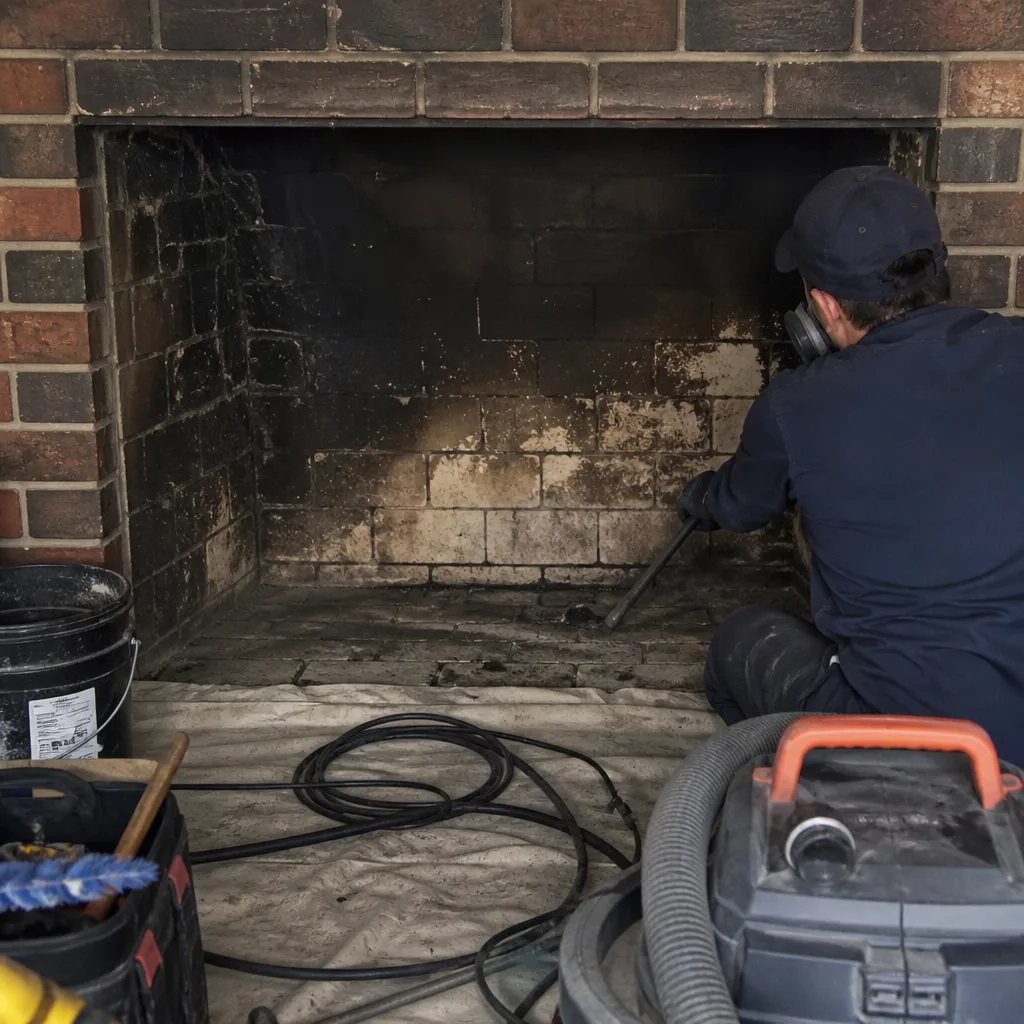 Before
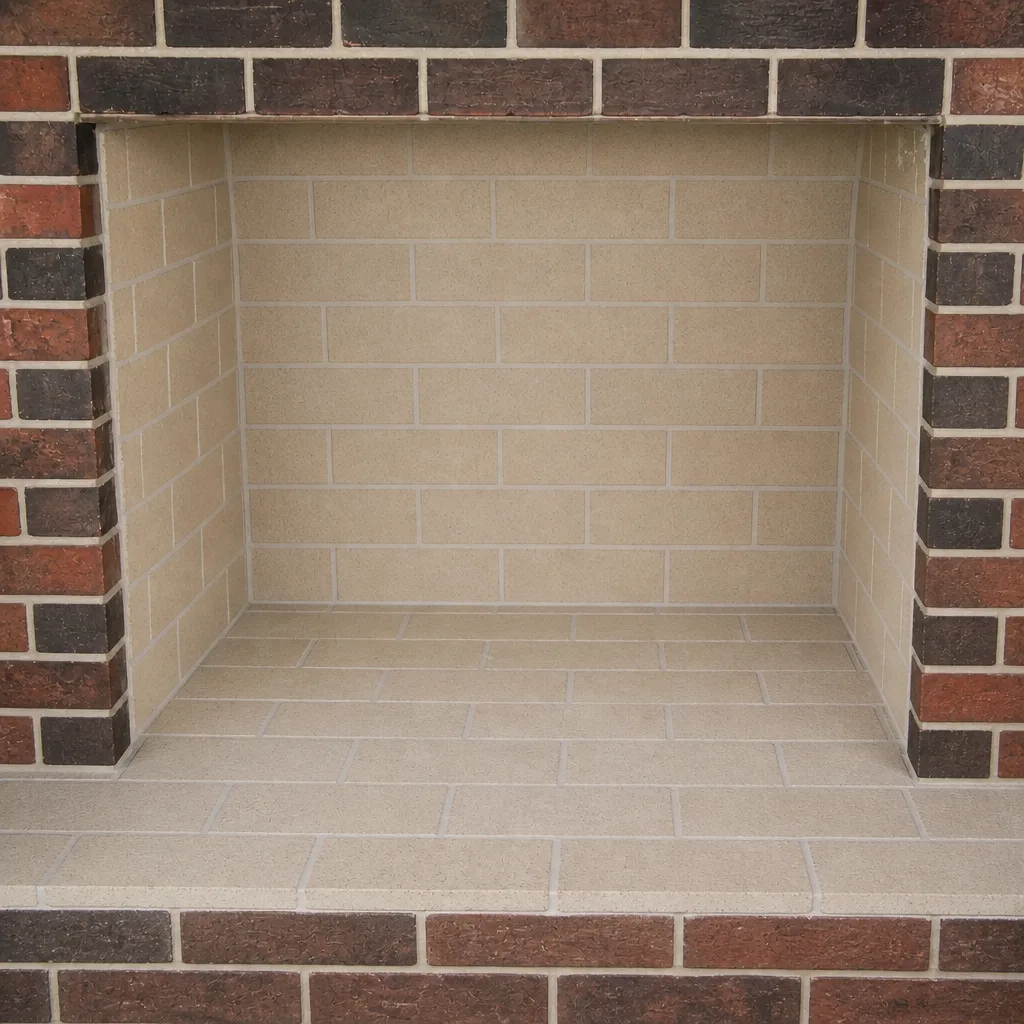 After
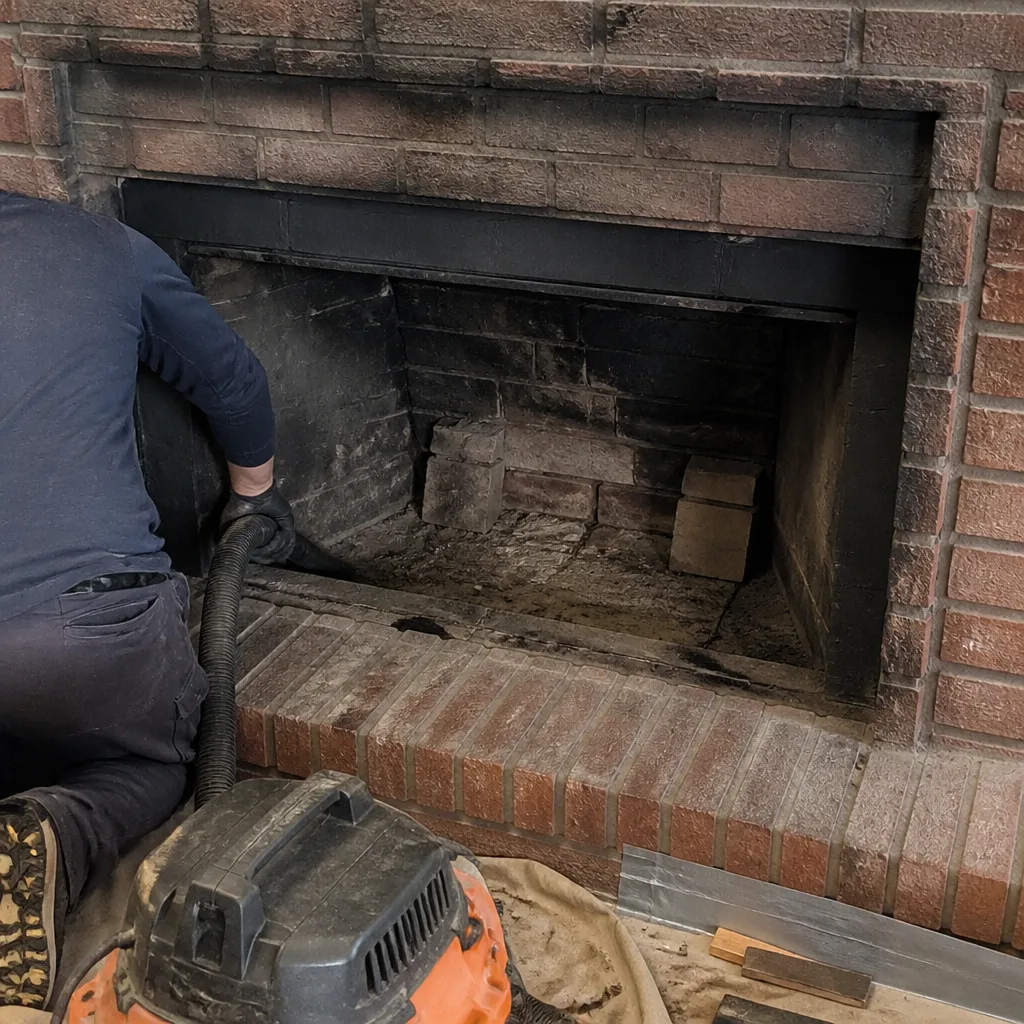 Before
 After
 Before
 After
When to Call a Professional
Call a professional when the question isn’t whether work is needed but which material is right for what needs doing. That’s the moment a homeowner’s brand knowledge matters most. If you’re seeing water stains on the ceiling near the chimney, if the cap is missing or visibly rusted, if the crown is cracked, or if it’s been more than a season since the last sweep, schedule a visit before the next fire season. Camera inspection is the best way to know whether a liner, resurfacing with HeatShield, a professional cap or just a sweep is the answer. It’s also the best way to hold the eventual brand recommendation accountable. Chimney Sweep Laguna Hills offers free estimates in Laguna Hills. Call (855) 726-8035. We answer 24/7. Fast dispatch from 7am to 7pm, Sunday through Friday.
If a door fails on a Saturday and you’re not sure if the chimney is the problem, we’re closed that day. Call and we’ll book you for Sunday.
Frequently Asked Questions
Look for a sweep who can name specific professional brands in each category: DuraFlex or Olympia Chimney for liners, HeatShield for flue resurfacing, Gelco and Famco for caps and crowns. Vague answers like “high-quality stainless” are a signal to ask harder questions. Call (855) 726-8035 for an exact quote. Estimates are free.
Yes, particularly for the top-of-flue components exposed to weather year-round. 304 stainless is standard and fine for most residential chimneys. 316 has better corrosion resistance and is worth the upgrade on heavily used or more exposed chimneys. Galvanized caps aren’t the right answer in any chimney application above a flue. Call (855) 726-8035 for an exact quote. Estimates are free.
HeatShield is a resurfacing system applied to the inside of an existing flue to restore a smooth, continuous surface. A liner is a new stainless containment system installed inside the flue. HeatShield typically costs less than a full reline and is the right answer when the tile is compromised but the structure is sound. A camera inspection determines which your flue needs. Call (855) 726-8035 for an exact quote. Estimates are free.
Most homes should be swept once a year, or more often with heavy fireplace use. In Laguna Hills, mild winters can mean less annual burn, but a light-use flue can still develop glaze at the top. A camera inspection tells you what your specific chimney needs, and a poorly-used flue can surprise a homeowner. Call (855) 726-8035 for an exact quote. Estimates are free.
If it’s galvanized, yes. Galvanized steel rusts early above a flue because it’s sitting in warm, moist exhaust. A stainless cap costs more at the register and lasts several times as long. The cheap-looking upgrade on a cap is often the most expensive choice over time. Call (855) 726-8035 for an exact quote. Estimates are free.
We don’t recommend it. A cap has to fit the exact flue size, work with the chimney’s draft characteristics, and be installed with the correct fastening and flashing to keep water out. A poorly fitted cap causes more problems than it solves. For caps and crowns, the material choice and the install are both worth getting right. Call (855) 726-8035 for an exact quote. Estimates are free.
The Bottom Line
Brands are the invisible part of a chimney estimate, and that invisibility is where money disappears. The labor is visible; the material choices happen off the invoice unless you demand they be on it. Professional components like DuraFlex, HeatShield, Gelco, Olympia Chimney and Famco are worth their premium because they fit the role and they last. Standard 304 stainless is fine for most Laguna Hills chimneys; 316 is worth it on exposed or heavily used ones; galvanized is never worth it. The questions that protect you are simple: what brand, what gauge, what grade, and will that be on the written estimate. Ask them every time, and you’ll get the same chimney the person who researched it for a week gets.
Ready to see what’s actually happening in your chimney? Call (855) 726-8035 for a free estimate. We answer 24/7. Fast dispatch from 7am to 7pm, Sunday through Friday.
Written by the team at Chimney Sweep Laguna Hills.