
Last updated November 25, 2026
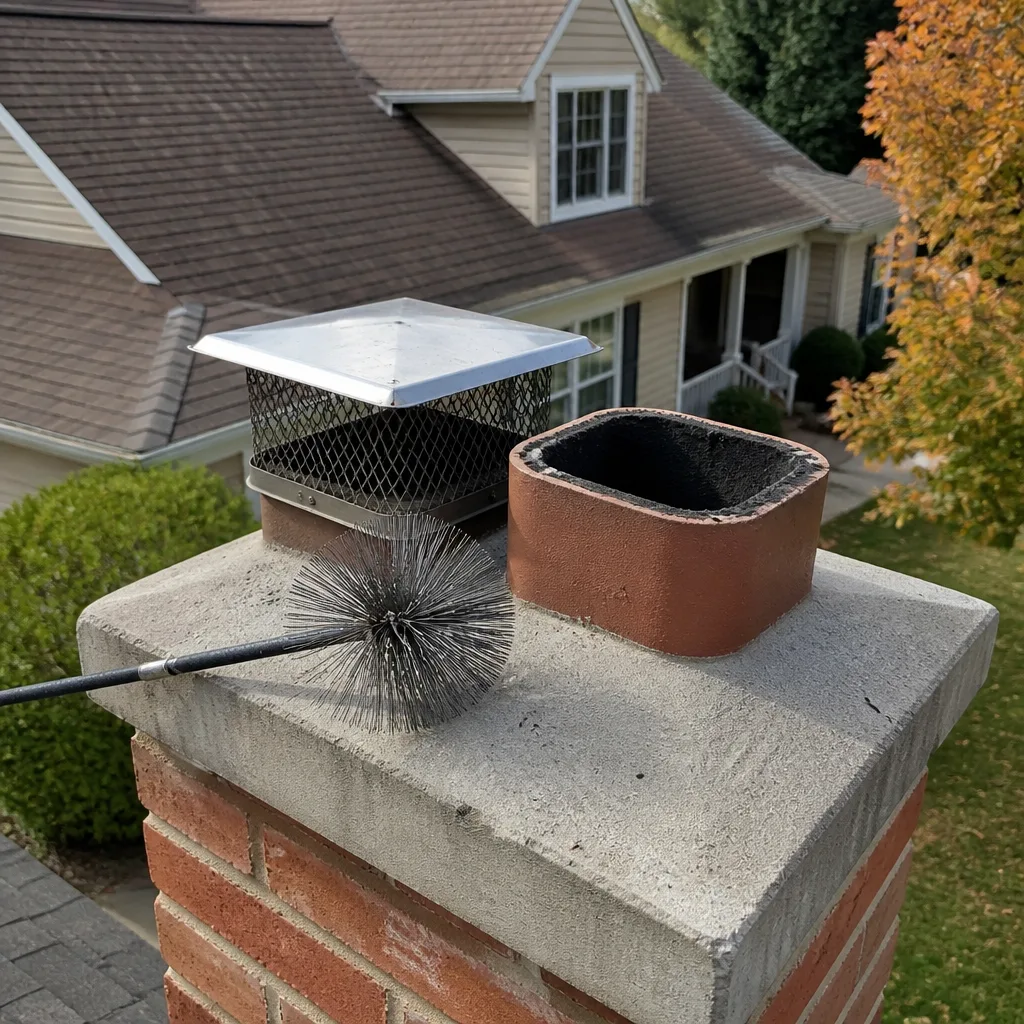 Sweep & inspection
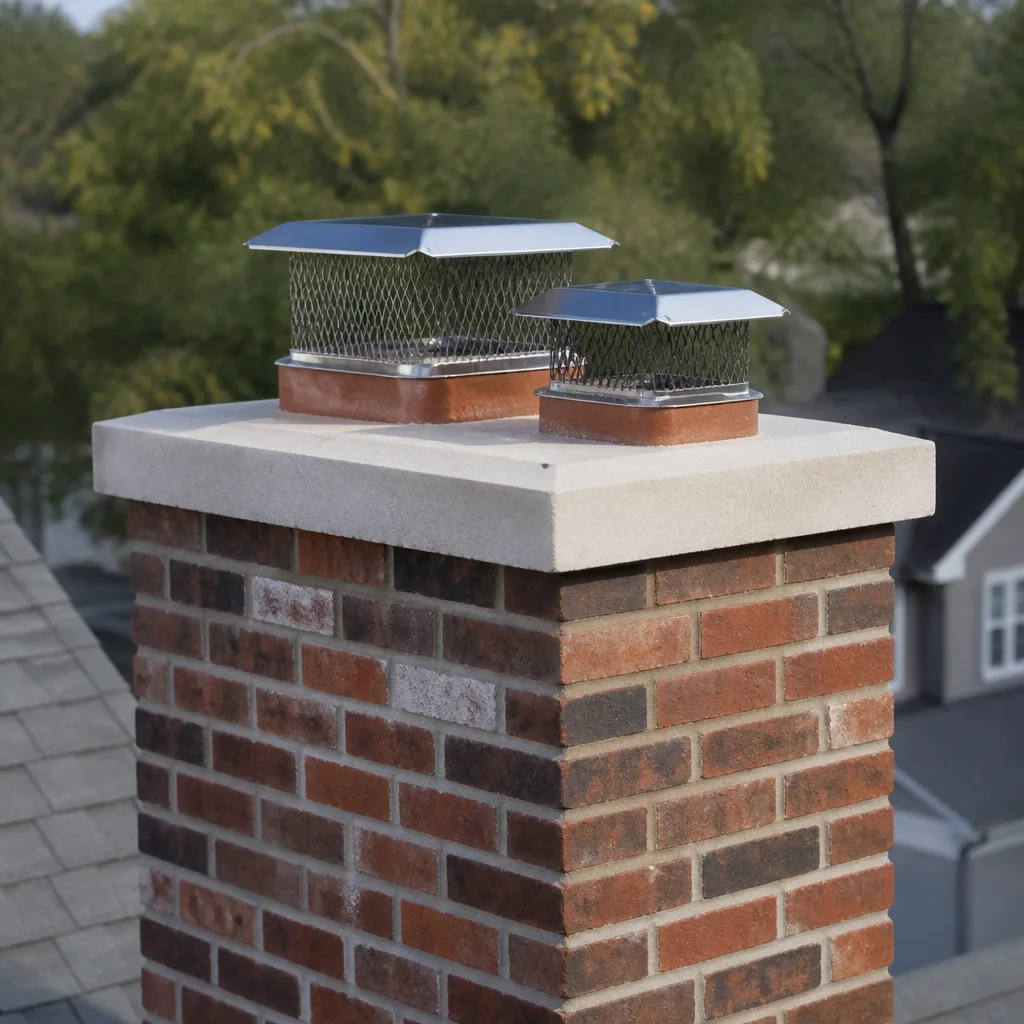 Caps & crowns
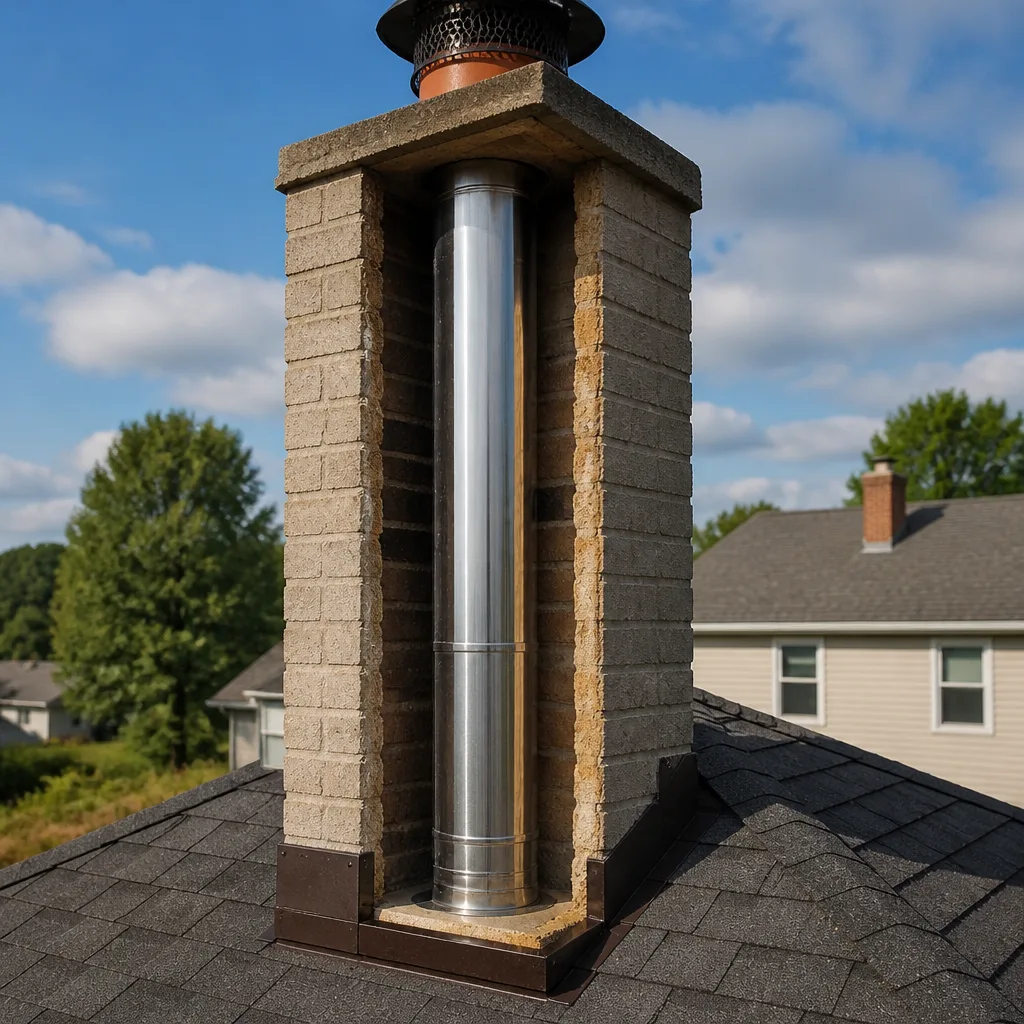 Flue relining
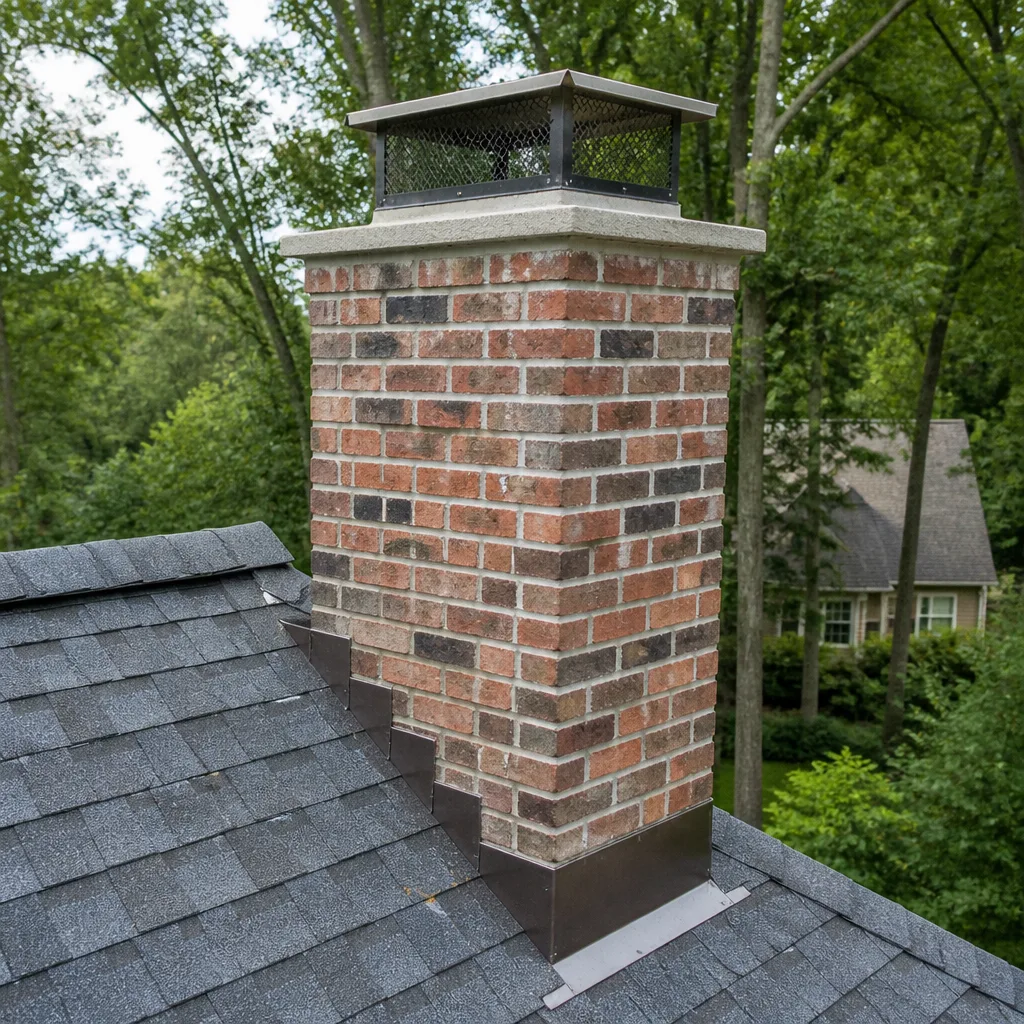 Masonry repair
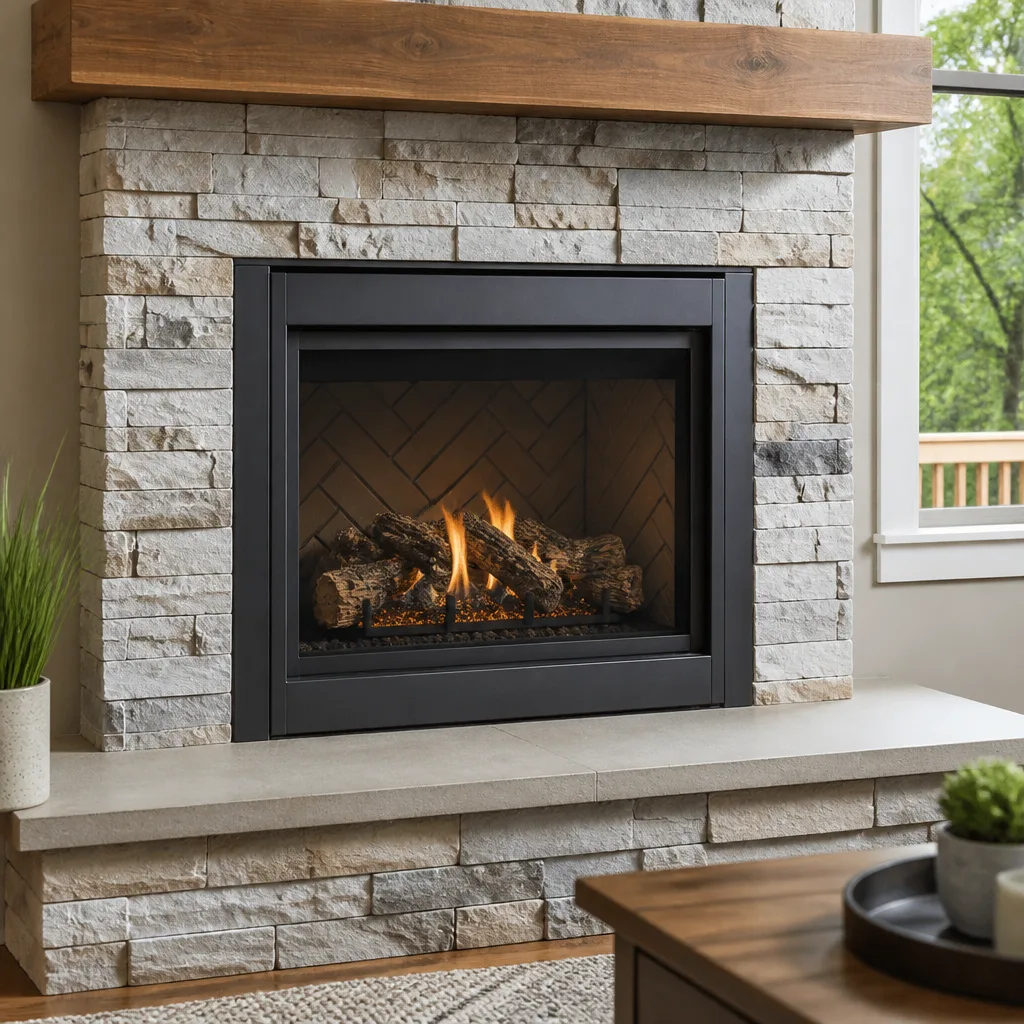 Gas fireplace service
Level 1 sweep and inspection to the NFPA 211 annual standard - flue, crown, cap, and flashing checked and photographed
Chimney sweep logs do not sweep chimneys. They loosen some creosote - which then falls where a brush and vacuum still have to collect it.
Chimney Sweep Maintenance Checklist for Laguna Hills Homeowners
Most chimney care advice floating around online was written for a Vermont farmhouse that burns four cords of hardwood a year. That’s not your house. Here in Laguna Hills, a fireplace gets a handful of cool nights in December and January, maybe a stretch in November when the marine layer rolls in, and then sits mostly idle for eight months. That light burn pattern changes what actually fails and when. The parts that wear out first here usually aren’t inside the firebox at all. They’re the metal up top and the masonry joints on the outside, quietly weathering through dry summers and wind events while your flue stays nearly clean. This checklist walks you through what to check, when to check it, what you can document yourself, and what genuinely needs a trained sweep. By the end you’ll have a task-by-task framework built for a Laguna Hills home, not a cold-climate one.
Quick Answer
A Laguna Hills homeowner should sweep the chimney and get a video inspection once a year, ideally in early fall before the first fire, even if you burn fewer than a dozen times a season. Between visits, check the firebox, damper, cap, and exterior masonry yourself every few months and after any Santa Ana wind event. Anything involving the flue interior, liner connections, or structural masonry needs a trained sweep.
Styles & brands we work with
- Sweep & inspection
- Caps & crowns
- Flue relining
- Masonry repair
- Gas fireplace service
Table of Contents
- Why a Laguna Hills Maintenance Checklist Looks Different
- The Month-by-Month Task Breakdown
- What You Can Self-Inspect Between Professional Visits
- Reading the Signs of Oxidation on Metal Components
- After a Santa Ana Wind Event: A Numbered Response Plan
- Which Tasks Need a Licensed Sweep and Which You Can Document
- The Parts That Actually Wear Out in This Climate
- What Annual Chimney Maintenance Typically Involves
Why a Laguna Hills Maintenance Checklist Looks Different
Chimney degradation is driven by three things: how much you burn, how much moisture the masonry sees, and what the wind throws at the exterior. In Laguna Hills, the first number is low and the other two behave in ways a Midwestern guide never accounts for. A household lighting fires on maybe fifteen to thirty evenings a year builds creosote slowly, so the flue stays comparatively clean between annual sweeps. That’s the good news. The trade-off is that the parts people forget about get all the wear.
The exterior gets hammered by long dry summers followed by the occasional wet storm front. Masonry that dries out completely for months and then takes on water behaves differently from masonry in a place with steady humidity. Joints open and close, and hairline cracks in the crown or the mortar washes at the top of the stack are the usual result. Santa Ana wind events add a separate stressor: sustained gusts that drive debris, grit, and fine dust against the cap and down the flue when the damper’s open or the cap is compromised. And while coastal salt air isn’t part of this inland picture, the metal still oxidizes from regular atmospheric moisture, rain exposure, and the simple passage of time. A steel chase cover or a cheap cap coating will start showing rust long before you’d expect if you light fires often and never look up.
This matters because the failure order here is inverted from cold climates. Up north, the flue clogs first. In Laguna Hills, the cap, the crown, and the exterior mortar joints often go before the flue ever needs serious attention. A maintenance checklist built around the flue alone leaves the most exposed parts unmonitored. If your home is older and you’ve never had the exterior looked at, it’s worth starting with a full chimney repair assessment before you build a routine around assumptions.
The Month-by-Month Task Breakdown
Split your year into four zones instead of twelve months. Laguna Hills fire season and the mild burn window set the rhythm more than the calendar does.
Late Summer into Early Fall (August – October): Pre-Season Prep
- Book your annual chimney sweep and inspection before the first fire. Demand builds fast once the first cool evening hits, and doing it in September means you’re not waiting when you want to light up.
- Walk the exterior. Look at the crown, the mortar joints, and the cap. Photograph anything that looks newly cracked, stained, or discolored compared to last year.
- Test the damper by hand. It should open and close smoothly with no grinding or sticking.
- Clear any leaf litter, twigs, or debris from around the cap. This is also peak fire-risk season in Orange County, so keep the roof and any nearby vegetation clean.
- Confirm your smoke and carbon monoxide detectors are working. This isn’t chimney-specific, but it belongs on the list before your first fire.
Burn Season (November – February): Active Monitoring
- Before each fire, glance at the firebox for new cracks or loose brick, and confirm the damper opens fully.
- After every fire, check that the damper closes completely and no smoke lingers in the room.
- Once, mid-season, do a visual from the ground with binoculars: check the cap and crown for anything new.
- Keep a small log. Note how many fires you light. This helps the sweep at your next visit know how much creosote to expect.
After Season (March – May): Post-Winter Check
Winter rains are when moisture intrusion shows up. Look for water staining on the exterior chimney face or on the ceiling near the flue. If the crown has a visible crack after the wet season, that’s the time to address it, not in October when you’re eager to burn. Call us for a fireplace repair evaluation if the firebox looks worse than it did in the fall.
Dry Season (June – July): Exterior Focus
This is the window to address exterior masonry. Heat expands materials and long dry spells reveal cracks that a wet season will widen. It’s also when a Santa Ana wind event or two can blow through, so keep the response plan below handy.
What You Can Self-Inspect Between Professional Visits
A careful homeowner can document a lot without touching the interior of the flue. Here’s what’s fair game and what isn’t.
Safe to Check Yourself
- Firebox: Look for new cracks in the brick or refractory panels, crumbling mortar, or loose material at the base.
- Damper: Open and close by hand. Note any stiffness, grinding, or incomplete closure.
- Smoke chamber (visible portion): With a flashlight, look up from the firebox. You can see the smoke shelf and the start of the flue, but not far enough to judge creosote buildup. Note anything you see.
- Cap and crown from the ground: Binoculars work fine. You’re checking for missing pieces, visible rust, or new cracks in the crown.
- Exterior masonry: Look for missing mortar, efflorescence (white staining), or water streaks.
- Interior: Check the ceiling and wall near the flue for staining.
Not Safe to Check Yourself
- Anything inside the flue beyond the first visible foot. You can’t see creosote depth without a camera, and glazed creosote that looks thin can be far thicker than it appears.
- Liner connections or the top of the liner at the cap.
- Anything on the roof. Height work is the single highest-risk category here, and the difference between a careful look from the ground and a climb up is where most avoidable injuries happen.
Document everything with photos and a short note. When you bring in a sweep, those photos get you a sharper conversation. We work this way on purpose: Chimney Sweep Laguna Hills uses a camera inspection and photo report so you can see what we see. If you’ve been documenting, you’ll recognize the issues in our images immediately. If your firebox or damper has a problem you can see and feel, a fireplace repair visit is worth scheduling between your annual sweeps.
Reading the Signs of Oxidation on Metal Components
Metal is where the Laguna Hills homeowner gets surprised. The three components most vulnerable are the cap, the damper assembly, and the liner connectors at the top of the flue. Each shows wear differently.
What to Photograph and Note
- Cap: Surface rust that powders when rubbed, holes at the seams, or paint flaking off in sheets. A cap that was sound three or four years ago can look much worse now if it was a lightweight steel model.
- Damper: Grinding when you turn it, powder rust on the frame, or a damper that opens but doesn’t fully close. The damper sits in the hottest, most humid part of the system and takes the brunt of both.
- Liner connectors: Visible rust at the top where the liner meets the cap or crown. This is where a photo from the ground is worth a hundred words to your sweep.
- Chase cover: On masonry chimneys with an enclosed chase, the cover is the flat top panel above the cap. It’s a common rust-through point on older homes.
We install Gelco and Copperfield components specifically because the coatings and alloys hold up better than the commodity caps sold at big-box stores. It’s not a matter of preference; it’s that a cap that fails in three years costs more in the long run than one that holds for fifteen. If you see rust you can flake off with a thumbnail, it’s time to have it looked at. A rusted cap means water and wind are getting into places the system wasn’t designed to tolerate. Between annual visits, photo documentation is your best defense: it gives the sweep a baseline to compare against.
After a Santa Ana Wind Event: A Numbered Response Plan
Santa Ana winds are a real seasonal factor in Orange County and inland South County, with sustained gusts that can push debris into places it doesn’t belong. Here’s what to do in the first 24 hours after a strong event.
- Look at the cap first. From the ground with binoculars, check that the cap is still seated and undamaged. A cap that’s been knocked loose lets debris straight down the flue.
- Check the firebox for debris. Open the damper, shine a flashlight up, and look for leaves or grit that got past the cap. If you see significant intrusion, don’t light a fire until a sweep has cleared it.
- Test the damper. Wind-driven downdrafts can force the damper against its stops and bend the frame. If it doesn’t open smoothly by hand, stop using the fireplace.
- Walk the exterior chimney face. Look for new mortar separation, missing bricks, or cracks at the crown top. Wind-driven grit can sand away soft mortar over time, and one good gust can be the final push on a joint that was already failing.
- Check the ceiling for new staining. Water intrusion often follows the first rain after a wind event because the crown has a new crack or the flashing has lifted.
- Document with photos and call a sweep if anything looks off. A wind event is a natural inspection trigger, not just a nuisance.
Run this routine after every significant Santa Ana event in your area. If the winds hit hard during a season you’re actively burning, it’s worth it. If the event passes and you can’t light a fire without smoke in the room, that’s a sign a professional needs to look at the system, not a reason to open more windows.
Which Tasks Need a Licensed Sweep and Which You Can Document
Honest line-drawing saves you money and keeps you safer than a vague “call a pro if you’re unsure.” Here’s the split.
Called for a Trained Sweep
- Sweeping the flue. Proper technique uses specialized brushes, a camera, and a containment setup that keeps fine soot out of your living space. DIY brush kits are available but leave residue and don’t give you a real look at the interior.
- Any repair to the flue liner. Cracks, gaps, or failing joints require relining or resurfacing. We use HeatShield resurfacing for some liner restorations and a DuraFlex flexible liner for retrofits, but the choice depends on what the camera shows.
- Crown and cap installation. Either of these can create or solve a water problem. Getting the crown pitch and the cap fit right takes a specific skill.
- Structural masonry repair. Rebuilding a crown, re-pointing a stack, replacing spalling brick, or repairing a firebox.
- Any work on the roof. Height work belongs to a professional, full stop.
Safe to Document Yourself
- Photos of the firebox, cap, crown, and exterior masonry
- A written log of how many fires you light
- Damper operation notes
- Interior ceiling and wall inspection for staining
- Post-wind debris check
A good annual inspection gives you a photo report so you know exactly what was found. We show you what we find: if the firebox is fine, we’ll tell you. If the cap has surface rust but is still sound, we’ll say so. If something can safely wait another season, we’ll say that too. That’s the value of camera inspection over a straightforward “you need a full rebuild” call.
The Parts That Actually Wear Out in This Climate
Based on what we see across the homes we service, here’s the wear order for Laguna Hills chimneys, from first to last:
- Cap coating and edges. Cheap caps fail first. If yours is a lightweight steel model, expect rust through within a few years of regular exposure. Replacing it with a professional-grade unit like a Gelco or a Copperfield cap solves the issue for a much longer span.
- Chase cover. On chimneys with a chase cover, the flat metal panel above the cap is a frequent rust-through point on homes here.
- Damper assembly. Sticking or rusting dampers are common on homes that have had the fireplace open for years without maintenance.
- Exterior mortar joints. Small cracks in the crown or the joints at the top of the stack show up as the years go.
- Firebox refractory and brick. Cracks or spalling here are the most common reason a chimney needs structural repair.
- Flue liner. Last on the list, because with a light burn pattern the liner doesn’t take the abuse it would in a colder climate. But once a liner fails, the fix is significant.
The good news: if you catch the first four early, they’re relatively inexpensive to address. If the liner reaches failure before you notice the rest, you’re looking at a DuraFlex relining job instead of a cap replacement. Maintenance is the cheaper path.
What Annual Chimney Maintenance Typically Involves
The standard annual service is a sweep plus a video inspection. That’s the base. What gets added depends entirely on what the inspection finds. We use a photo report with the estimate so you see exactly what we’re recommending.
Here’s a typical annual maintenance visit:
- Sweep and inspection: the standard chimney sweep and a camera inspection of the flue from firebox to cap, with before-and-after photos. Most homes in Laguna Hills with a light burn pattern need only this.
- Firebox and damper check: inspected visually and operated by hand to confirm function.
- Cap and crown check: photographed and reported, with a recommendation on whether replacement is needed now or later.
- Chase cover or flashing check on masonry chimneys.
If the sweep finds the cap needs replacing, we install a professional-grade Gelco or Copperfield unit. If the liner needs work, the choice between a HeatShield resurfacing and a DuraFlex relining depends on the condition of the existing liner and the shape of the flue. Older homes with irregular flues sometimes can’t take a rigid liner, and DuraFlex is designed exactly for that situation. If a full rebuild of the crown or masonry is needed, we handle it in the same visit and you’re not coordinating multiple contractors. Estimates are free, and we can walk you through what an actual job would look like.
Common Mistakes to Avoid
- Following a cold-climate checklist. A guide written for households burning eighty nights a year will overstate flue issues and understate cap and exterior problems. In Laguna Hills, your home’s actual use pattern matters more than the standard advice.
- Skipping the annual visit because you burn rarely. A light burn pattern means less creosote, but it doesn’t mean the cap, crown, or damper aren’t degrading. A yearly inspection is still the anchor of the checklist.
- Replacing a cap with a commodity unit from a hardware store. Cheap steel caps rust through fast here. A professional-grade cap costs more upfront and lasts much longer. It’s the difference between one replacement and three.
- Lighting a fire without checking the cap after a wind event. Wind events push debris into the flue. A glance up before you burn takes about sixty seconds.
- Ignoring hairline cracks in the crown. Small cracks become water intrusion, and water intrusion becomes masonry repair. Catch the crack in the dry season before the first rain.
- Treating the damper as a secondary concern. A sticking damper is usually the second or third most common issue in a Laguna Hills chimney system. If it doesn’t operate freely, the fireplace stays unusable.
- Refusing the photo report. Everything we recommend, we can show you. If a photo report isn’t offered, ask for one before any work gets scheduled.
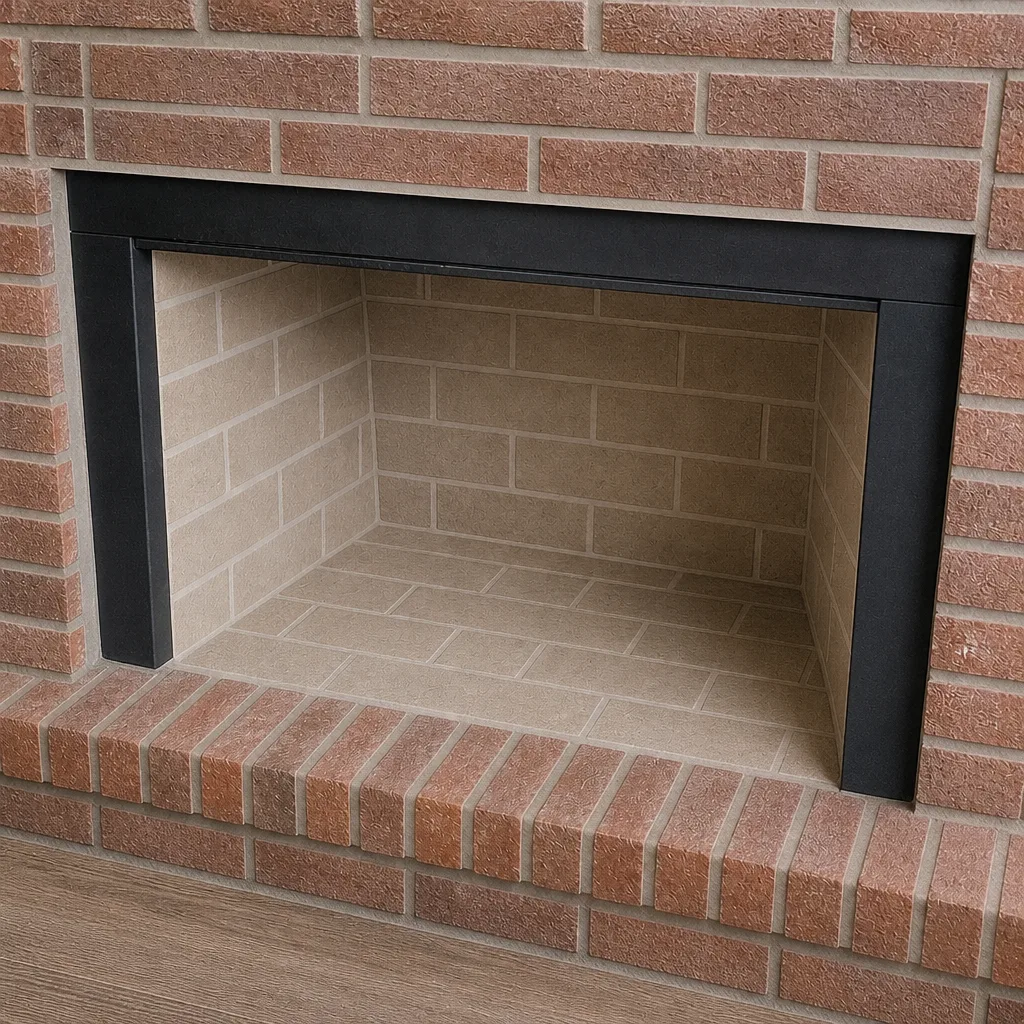
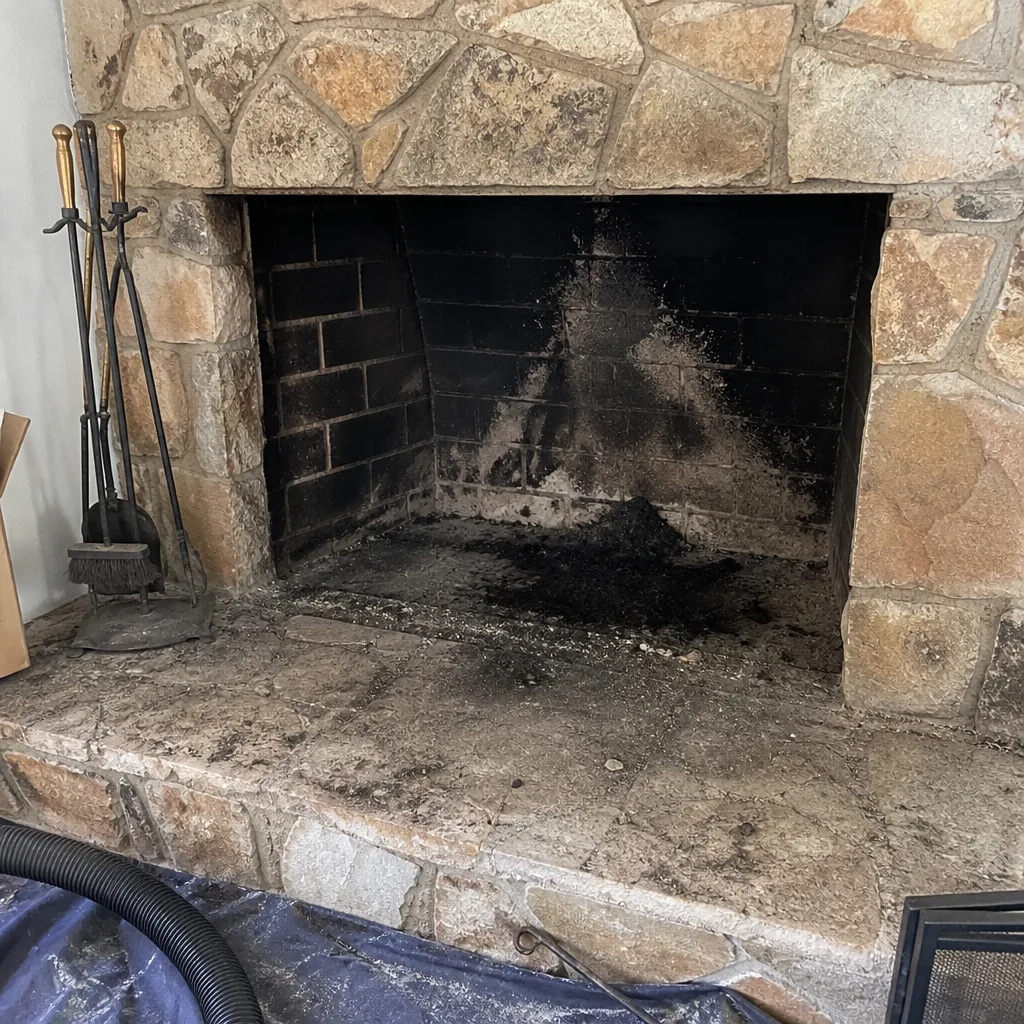
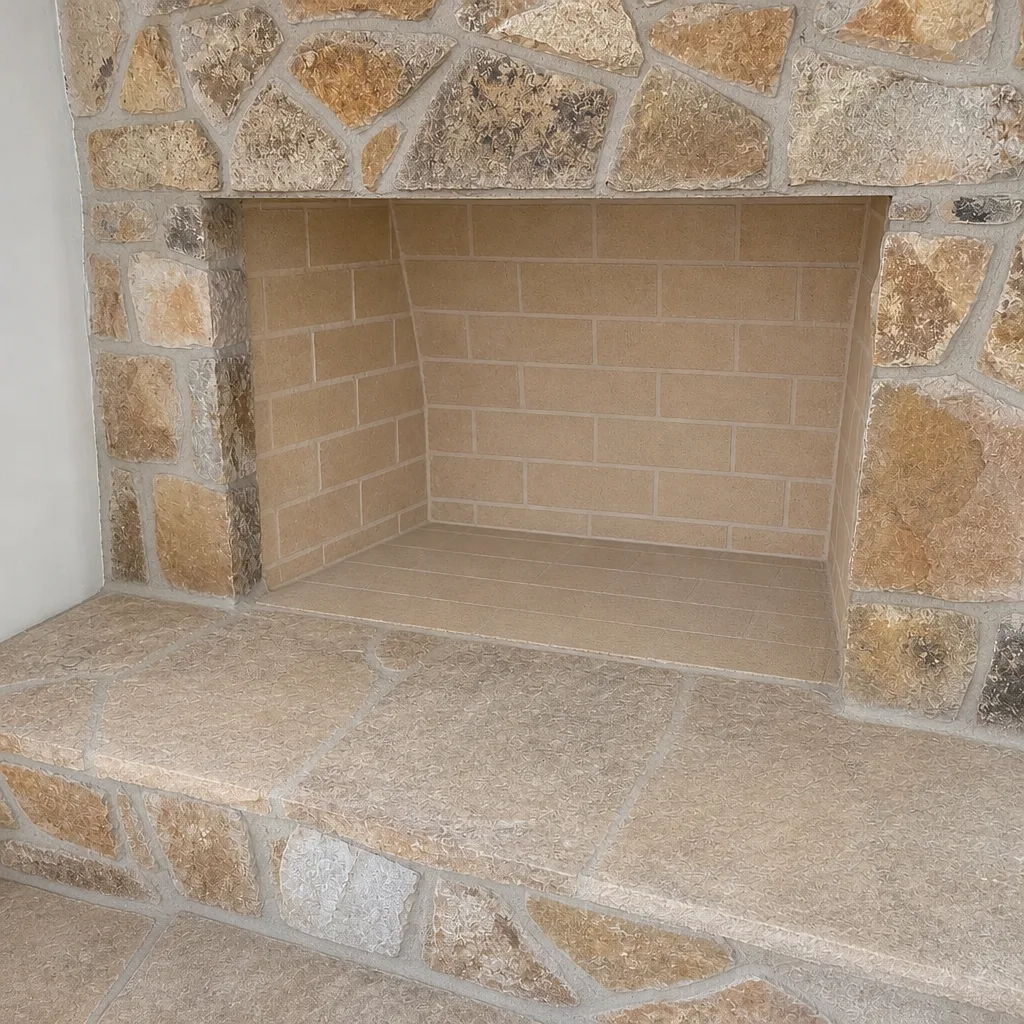
See the difference
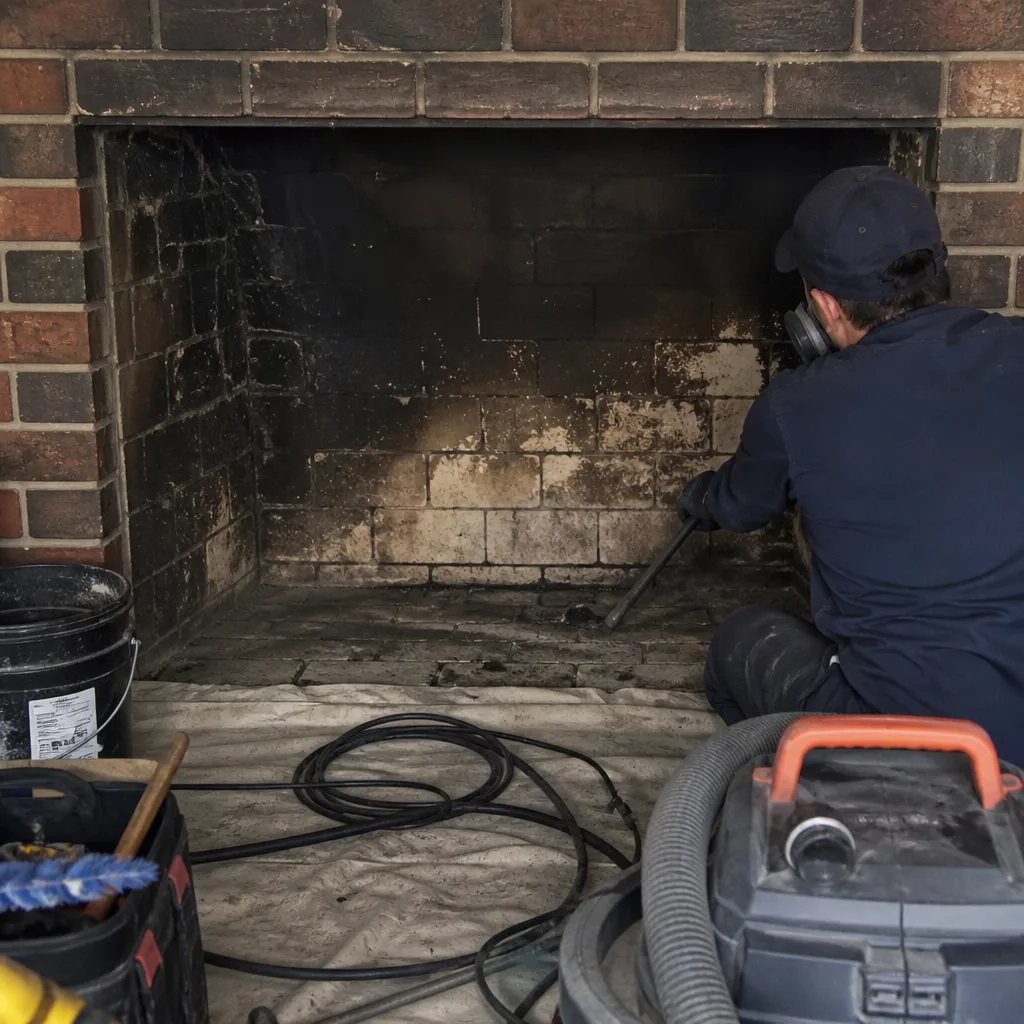 Before
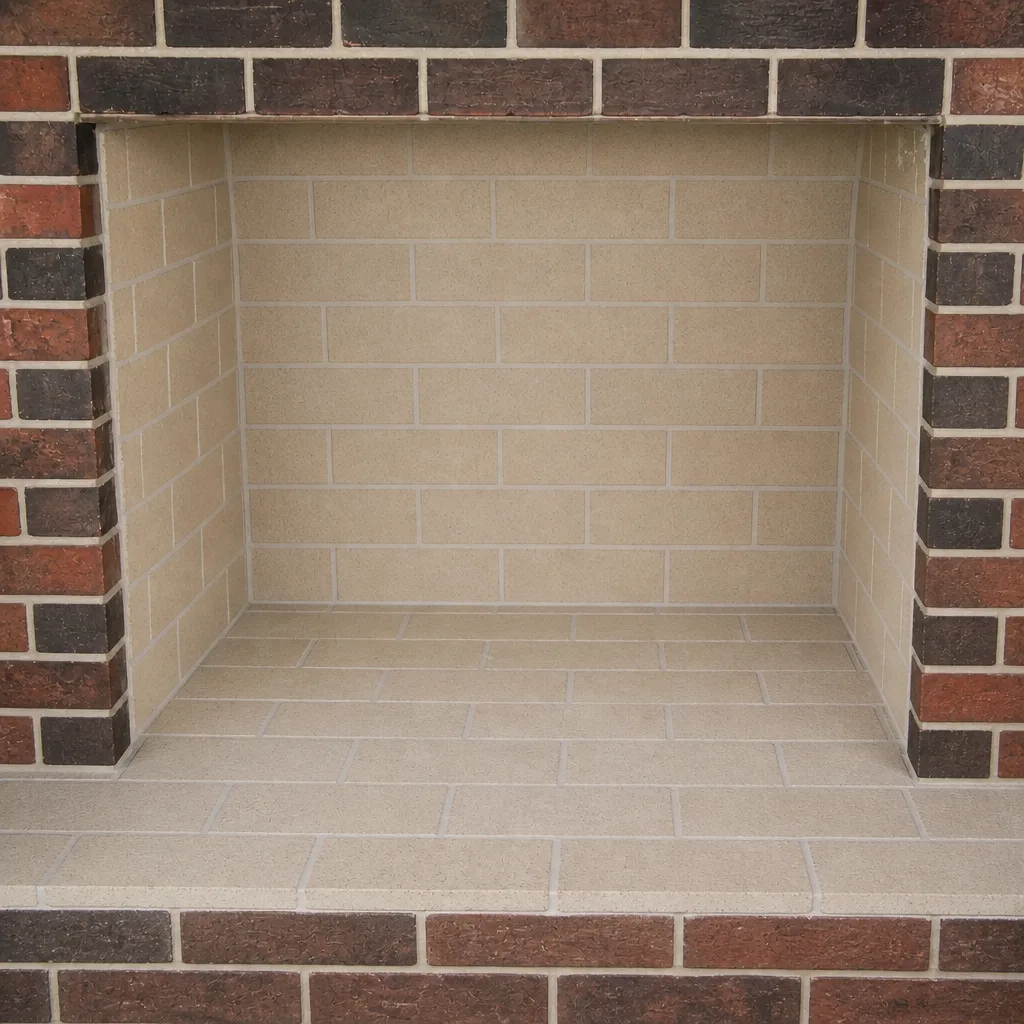 After
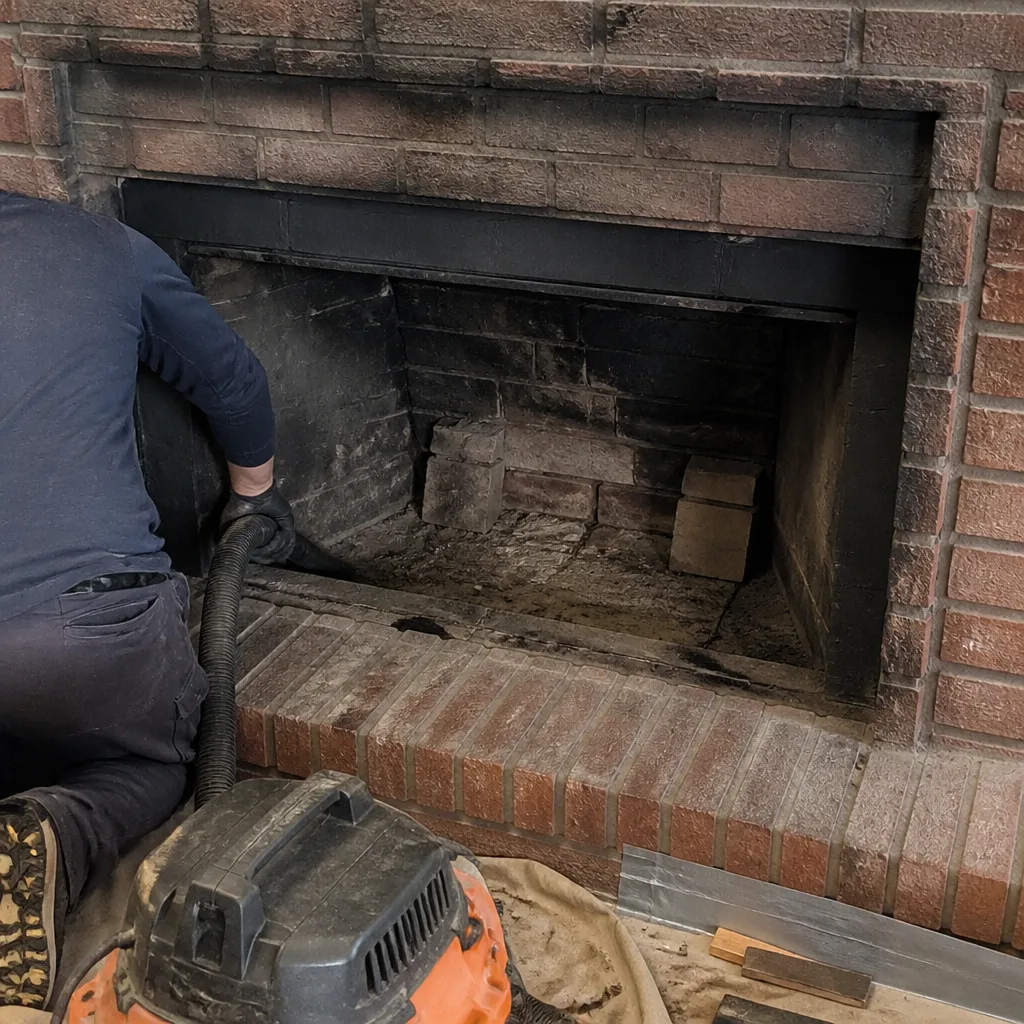 Before
 After
 Before
 After
When to Call a Professional
Call a professional sweep in these situations: you haven’t had the chimney inspected in the last year, you’ve just been through a significant Santa Ana wind event and noticed debris or a loose cap, the damper is stiff or grinding, you see new staining on the interior ceiling near the flue, or your firebox shows cracks, spalling, or crumbling mortar. Also call if you’re buying a home in Laguna Hills and don’t have a documented inspection from the last year. Post-wind and pre-season are the natural times; a mid-season concern is worth a call too. Structural changes, liner work, and anything involving the roof belong to a professional. Chimney Sweep Laguna Hills offers free estimates in Laguna Hills and can walk you through what an annual maintenance visit includes. Call (855) 726-8035. We answer 24/7. Fast dispatch from 7am to 7pm, Sunday through Friday.
Frequently Asked Questions
Once a year, in the pre-season window from late August into October, regardless of how many fires you light. A light burn pattern reduces creosote buildup but doesn’t eliminate the need for an inspection of the cap, crown, damper, and exterior masonry, which degrade from moisture, wind, and simple aging more than from use. Call (855) 726-8035 for a free estimate on an annual visit.
Yes, because the parts that fail first in Laguna Hills homes are the exterior and the metal components, not the flue. The cap, chase cover, damper, and crown take the brunt of wind, moisture, and sun regardless of how often you burn. A yearly inspection with photos catches those before they become expensive. Call (855) 726-8035 for an exact quote on an inspection.
Small issues compound. A cap that started with surface rust rusts through and lets water straight down the flue. A crown hairline crack becomes masonry repair. A stiff damper becomes a stuck damper. None of these are emergencies on day one, but each one costs more to fix than it would have if caught in year one. Call (855) 726-8035 to schedule an annual inspection.
You can see the first foot or so from the firebox with a flashlight, but you can’t judge creosote depth, liner condition, or flue integrity without a camera. What you can do safely is document the firebox, damper, cap, crown, and exterior masonry with photos. Bring those to your annual sweep visit and you’ll get much more out of it.
It depends on what the camera shows. HeatShield is a resurfacing approach that restores a liner with cracks or isolated damage without a full replacement, which suits older systems where the underlying structure is sound. DuraFlex flexible liner systems are the pro-tier solution when the flue needs to be relined entirely or the shape is older and irregular enough that a rigid liner doesn’t fit. A camera inspection tells us which one is right. Call (855) 726-8035 for an inspection and an honest recommendation.
Look up at the cap with binoculars before lighting another fire. If the cap looks seated and undamaged, then check the damper and shine a flashlight into the firebox for debris. If anything is off, don’t light a fire until a sweep has looked at it. Call (855) 726-8035 if you’re unsure after a wind event, and we’ll get you on the schedule. We answer 24/7.
The Bottom Line
A Laguna Hills chimney maintenance checklist should track your actual burn pattern and the stressors that really wear out parts here: dry summers, wind events, moisture intrusion on exterior masonry, and slow oxidation of metal components. Yearly sweep and inspection in the pre-season window. Firebox, damper, cap, and crown checked yourself between visits. Exterior masonry walked after wet-season storms and after Santa Ana events. Those four anchors cover most of what degrades a system in this climate. When the inspection turns up something, you get a photo report and a straight answer about whether it needs fixing now or can wait a season. That’s the whole point of maintenance: fewer surprises, longer-lasting parts, and a fireplace you can light without second-guessing. If you’re ready to get your annual visit on the calendar, call (855) 726-8035 for a free estimate.
Written by the team at Chimney Sweep Laguna Hills.